Converting a ducted range hood to a ductless, recirculating system is a practical solution for kitchens without external venting, allowing for a cleaner environment by filtering cooking odors, smoke, and grease. This conversion typically involves installing activated charcoal filters and, for some models, a specific manufacturer-designed kit. Ductless systems are ideal for apartments, condos, or homes where extensive renovation for ductwork is not feasible or desired.
This guide provides a comprehensive overview of transforming your ducted range hood. It covers the differences between ducted and ductless systems, essential components for conversion, advantages and disadvantages, a detailed step-by-step DIY installation process, crucial maintenance tips, and troubleshooting advice. You’ll also find a buying guide to help maintain a pleasant kitchen space.
Understanding Ducted vs. Ductless Range Hoods
Before converting, understand the core differences. A ducted range hood draws air, filters grease, and expels all air, smoke, heat, and odors outside through ducts. This method offers the most efficient removal of airborne contaminants and excess heat.
In contrast, a ductless range hood, or recirculating hood, does not connect outside. It pulls in cooking fumes, passes them through multiple filtration stages (typically a grease filter and an activated charcoal filter), and recirculates the cleaned air back into the kitchen. Ductless hoods are ideal where external venting is impossible or impractical, such as in apartments, condos, or certain remodeling projects.
Essential Components for Conversion
Converting a ducted range hood to ductless primarily involves installing the correct filtration and, in some cases, a specific manufacturer-designed kit.
Charcoal Filters
The most critical component for ductless conversion is the activated charcoal filter (carbon filter). These filters absorb odors, smoke particles, and some airborne grease before air returns to your kitchen. Without them, a ductless hood would recirculate contaminated air.
- Functionality: Charcoal filters contain activated carbon granules that chemically bond with and trap odor molecules.
- Model-Specific: It is vital to purchase charcoal filters specifically compatible with your range hood model; they are typically not universal.
- Maintenance: Unlike grease filters, charcoal filters are not washable or reusable. They must be replaced regularly, usually every 3 to 6 months, depending on cooking frequency. Neglecting replacement significantly reduces odor removal effectiveness.
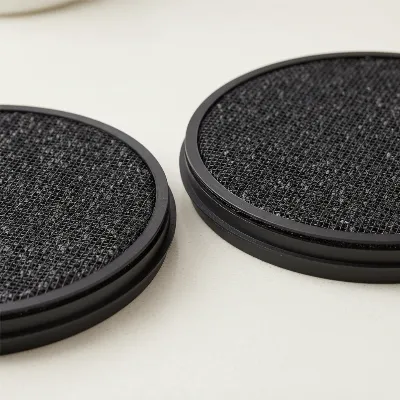 Close-up of activated charcoal filters for ductless range hoods, showing their porous structure and round shape, on a clean surface.
Ductless Conversion Kit
While many modern ducted range hoods convert simply by installing charcoal filters, some models, especially certain under-cabinet or older units, may require a dedicated ductless conversion kit. These kits often include charcoal filters and a plenum or vent assembly that directs filtered air out through a grille at the top or front of the hood’s chimney or housing, back into the kitchen.
- Kit Contents: Typically includes charcoal filters, a stainless steel vent cover, mounting hardware, and sometimes a flexible duct section to reroute air within the hood.
- Compatibility: Always verify that any conversion kit is specifically designed for your range hood’s make and model. Consult your hood’s manual or the manufacturer’s website.
Compatibility Check: The First Step
|
Our Picks for the Best Range Hood in 2026
As an Amazon Associate I earn from qualifying purchases.
|
||
| Num | Product | Action |
|---|---|---|
| 1 | Empava Wall Mount Range Hood 30 Inch, Ducted/Ductless Kitchen Exhaust Stove Vent with Modern Style, 400CFM, 3-Speed, Touch Control, Timer, LED Lights, Stainless Steel (Charcoal-Filter Sold Separately) |

|
| 2 | AMZCHEF Under Cabinet Range Hood 30 Inch, 750CFM Stainless Steel Kitchen Stove Vent Hood 3 Speed Exhaust Fan Touch/Remote/Gesture Control LED lights Time Setting Dishwasher-Safe Baffle Filters |
|
| 3 | COSMO COS-5MU30 30 in. Delta Collection Ducted Under Cabinet Range Hood, Button Controls, Reusable Filters, LED Lights, Stainless Steel |
|
| 4 | Broan-NuTone BCSQ130SS Three-Speed Glacier Under-Cabinet Range Hood with LED Lights ADA Capable, 1.5 Sones, 375 Max Blower CFM, 30-Inch, Stainless Steel |
|
| 5 | VIKIO HOME Wall Mount Range Hood 30 inch, 580 CFM, Ducted/Ductless Convertible, Stainless Steel Kitchen Vent Hood with 3-Speed Fan and LED Lights |
|
| 6 | Wall Mount Range Hood 30 inch with Ducted/Ductless Convertible Duct, Stainless Steel Chimney-Style Over Stove Vent Hood with LED Light, 3 Speed Exhaust Fan, 450 CFM |
|
| 7 | AAOBOSI Range Hood 30 inch Under Cabinet,800-CFM Gesture Sensing/Touch Control/Motor Upgrade Low Noise,3 Speed Range Hood with LED Lights Exhaust Fan, Stainless Steel Kitchen Vent Hood |
|
| 8 | Range Hood 30inch Under Cabinet, 900CFM Stainless Steel Kitchen Vent Hood with Gesture/Touch Control and Permanent Stainless Steel Filters, Ducted Vent, Top and Rear Vents |
|
| 9 | COSMO COS-63175S 30 in. Vista Collection 380 CFM Ducted Wall Mount Range Hood, Touch Controls, LED Lights, Stainless Steel |
|
| 10 | Empava Ductless/Ducted Range Hood Under Cabinet 30 Inch, Touch Control, 300 CFM Plug in, Stainless Steel |
|
Before purchasing components, first check if your current ducted range hood is convertible to ductless operation. Most manufacturers state this in product specifications or the user manual. Look for terms like “ductless optional,” “recirculating mode,” or “requires charcoal filters for ductless use.” If your hood is not designed for conversion, attempting it may result in poor performance and potentially void your warranty.
Advantages and Disadvantages of a Ductless System
Converting to a ductless range hood offers distinct benefits but also has limitations compared to a fully ducted system. Understanding these trade-offs helps manage expectations.
Advantages
- Easier and Cheaper Installation: Without external ductwork, conversion is significantly simpler and more affordable, eliminating complexities and costs of cutting holes, running ducting, and installing exterior vent caps.
- Location Flexibility: Ductless hoods can be installed virtually anywhere, offering greater freedom in kitchen design as they don’t depend on proximity to an exterior wall or ceiling vent.
- Ideal for Specific Situations: They are perfect for apartments, condominiums, or rental properties where external ductwork is prohibited or impractical, and viable in older homes where retrofitting ducts would be costly or architecturally challenging.
- Energy Savings (in some climates): Ducted hoods expel conditioned air, increasing energy bills. Ductless hoods recirculate air, retaining conditioned air within the home, potentially saving energy.
Disadvantages
- Less Effective Air Purification: While charcoal filters remove odors and some grease, ductless hoods do not remove heat, moisture, or all airborne particulates. Steam, humidity, and fine grease particles will eventually settle back into the room.
- Regular Filter Replacement Required: The ongoing cost and effort of replacing charcoal filters (every 3-6 months) must be factored in. Neglecting this maintenance leads to rapidly diminishing performance and lingering kitchen smells.
- Potentially Noisier: Some ductless hoods can be noisier than ducted counterparts because the fan pushes air through dense filters and recirculates it within the same confined space.
- Limited for Heavy Cooking: For households with frequent heavy-duty cooking, frying, or aromatic dishes, a ductless system may struggle to adequately ventilate, leading to a less fresh environment.
- No Heat or Moisture Removal: Ductless models do not remove heat or moisture generated during cooking, which can contribute to a warmer, more humid kitchen, especially in smaller spaces.
> “While ductless range hoods provide an excellent solution for kitchens without external venting, it’s crucial to manage expectations. They excel at odor removal with proper filter maintenance, but they won’t tackle heat and moisture in the same way a ducted system does.” – Admin, ReviewsAude.com
Step-by-Step Guide: Converting Your Range Hood to Ductless
Converting your ducted range hood to ductless is a straightforward DIY project with the right components and careful adherence to these steps.
1. Safety First: Disconnect Power
Before any work, always disconnect the power to your range hood at the circuit breaker to prevent electrical shock. Use a circuit tester to confirm the power is off at the hood’s junction box.
2. Gather Your Tools and Materials
Having everything on hand ensures a smoother process. You’ll typically need:
- Replacement Charcoal Filters or Ductless Conversion Kit: Ensure compatibility with your specific range hood model.
- Screwdriver set: Phillips and flathead.
- Gloves and safety glasses: To protect hands and eyes.
- Flashlight or headlamp: For better visibility inside the hood.
- Owner’s Manual: Refer to it for specific filter installation instructions for your model.
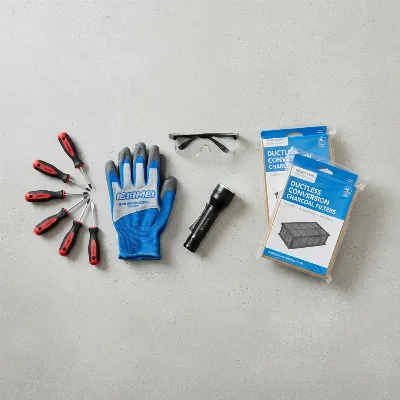 Arrangement of essential tools and materials for converting a range hood to ductless, including filters and screwdrivers.
3. Access the Blower/Fan Unit
Access internal components by removing existing grease filters.
- Remove Grease Filters: These could be mesh, baffle, or aluminum filters. They typically have a latch, spring, or clips that release them when pressed or pulled. Set them aside for cleaning or reinstallation.
- Locate the Blower: Once grease filters are out, you should see the fan blades or blower motor assembly inside the hood, where charcoal filters will attach.
4. Install Charcoal Filters
This is the core of the conversion. The exact method varies by manufacturer and model, so always consult your owner’s manual.
- Attachment Mechanism: Charcoal filters usually snap, twist, or clip directly onto the motor housing or fan cages. Look for designated slots, tabs, or a central hub for secure fit.
- Recirculating Mode Switch: Some advanced ducted hoods designed for conversion may have an internal switch or lever to adjust to “recirculating” or “ductless” mode. This redirects airflow through charcoal filters and back into the kitchen, rather than towards the duct opening. Refer to your manual for its location and operation.
- Secure Installation: Ensure filters are firmly in place. Loose filters can rattle and reduce effectiveness.
5. Reassemble and Power On
Once charcoal filters are securely installed:
- Replace Grease Filters: Reinstall the grease filters removed earlier. They are the first line of defense against grease accumulation and protect charcoal filters.
- Connect Power: Return to your circuit breaker and restore power to the range hood.
- Test Functionality: Turn on the range hood at various fan speeds to ensure correct operation. Listen for unusual noises and confirm airflow.
6. Adjust Chimney or Venting (if applicable)
If you have a chimney-style range hood that previously vented through the chimney, you might need to adjust or block the top of the chimney or install a specific vent cover from a conversion kit. This ensures filtered air is released back into the room rather than attempting to go up a now-inactive duct. For many models, installing charcoal filters automatically directs airflow appropriately. Refer to your model-specific instructions.
Maintaining Your Ductless Range Hood for Optimal Performance
Regular maintenance is crucial for effective ductless range hood performance. Neglecting it leads to poor air quality and lingering odors.
Regular Filter Replacement
The most important maintenance task is replacing charcoal filters.
- Frequency: Most manufacturers recommend replacing charcoal filters every 3 to 6 months. If you cook frequently, especially greasy or aromatic foods, more frequent replacement may be needed.
- Signs of a Spent Filter: Noticeable odors lingering after cooking, reduced airflow, or visibly dirty filters indicate it’s time for replacement.
- Why Replace: Over time, activated carbon saturates with odor molecules and can no longer effectively neutralize them. Used filters also restrict airflow.
Grease Filter Cleaning
While charcoal filters are not washable, primary grease filters (mesh or baffle) usually are.
- Frequency: Clean grease filters monthly, or more often depending on cooking habits.
- Method: Most grease filters can be cleaned by hand in hot, soapy water, or in a dishwasher (check manufacturer guidelines). Ensure they are thoroughly dry before reinstalling.
- Importance: Clean grease filters allow better airflow and prevent grease from reaching and prematurely clogging charcoal filters.
Troubleshooting Common Issues
Even with proper installation and maintenance, issues may arise. Here are common problems and solutions:
- Poor Odor Removal:
- Check Filters: Are charcoal filters installed correctly? Are they old and saturated? Replace them if past their recommended lifespan.
- Filter Type: Ensure you are using the correct charcoal filters for your specific hood model.
- Weak Suction/Airflow:
- Clogged Filters: Both grease and charcoal filters restrict airflow when dirty. Clean grease filters and replace charcoal filters.
- Obstructions: Check for physical obstructions around the fan or air outlets.
- Recirculating Mode: If your hood has a switch, ensure it’s set to recirculating mode.
- Excessive Noise:
- Normal Operation: Ductless hoods can be slightly noisier than ducted ones due to air being pushed through filters and recirculated.
- Loose Parts: Check for loose and rattling filters, covers, or internal components.
- Incorrect Filter Installation: Ensure charcoal filters are securely seated and not obstructing fan blades.
- Lingering Humidity/Heat:
- Inherent Limitation: This is a fundamental characteristic of ductless systems, as they do not vent air outside. Opening a window or using an external fan during heavy cooking can help.
Where to Purchase Conversion Kits and Filters
Finding the right components is crucial for effective ductless conversion performance.
- Manufacturer’s Website: The most reliable source is often the range hood manufacturer’s official website, listing compatible charcoal filters or conversion kits for your specific model.
- Appliance Retailers: Major appliance stores, online and brick-and-mortar, often carry a range of filters and conversion kits. Double-check compatibility with your model number.
- Specialty Parts Suppliers: Online parts retailers may stock filters and kits, sometimes with competitive pricing. Always verify the part number.
- Before Buying: Always cross-reference your range hood’s model number with the part number of filters or kits to ensure a perfect fit. Incorrect parts will not work efficiently and could damage your hood.
Cost Considerations: Conversion vs. Ducted Installation
Understanding financial implications helps make an informed decision.
- Initial Conversion Cost: The primary expense is charcoal filters or a conversion kit, typically $20 to $100, significantly lower than installing new ductwork, which can cost hundreds or thousands if professional help is needed.
- Ongoing Maintenance Costs: The main ongoing cost for a ductless system is regular charcoal filter replacement. At an average of $20-$50 per set every 3-6 months, this can total $80-$200 annually.
- Energy Consumption: Ductless hoods recirculate air, retaining conditioned air within your home, leading to minor energy savings in heating and cooling, offsetting some filter replacement costs. Ducted hoods, while more effective, can increase utility bills by exhausting conditioned air.
Buying Guide: Making an Informed Decision
Choosing the right ventilation solution is a personal decision based on several factors.
- Assess Your Cooking Habits: For light cooking, a ductless conversion is adequate. For heavy frying, grilling, or strong spices, a ducted system is generally superior, but a high-quality ductless system with diligent filter changes still provides significant improvement over no ventilation.
- Consider Your Kitchen Layout and Constraints: If external ducting is not an option, a ductless conversion is your best bet. Factor in available space for the hood and ease of access for filter replacement.
- Evaluate Budget and Maintenance Willingness: Ductless conversions have lower initial costs but higher ongoing maintenance (filter replacement). Be prepared for this regular upkeep.
- Prioritize Air Quality: While ductless hoods improve air quality by removing odors and some particulates, they do not remove heat, humidity, or all contaminants.
A ductless range hood is a practical, flexible, and more affordable ventilation choice for many homes, especially where traditional ducting is problematic.
Conclusion
Converting your ducted range hood to a ductless system is a rewarding DIY project that can significantly improve your kitchen’s air quality without the complexity of external venting. By understanding charcoal filter function, ensuring compatibility, and following installation steps, you can effectively reduce cooking odors, smoke, and grease. Consistent maintenance, particularly timely charcoal filter replacement, is key to maximizing performance.
Embrace the convenience and flexibility of a ductless range hood. With the right tools and knowledge, you can enjoy a fresher, more comfortable cooking environment.
Frequently Asked Questions
Can any ducted range hood be converted to ductless?
No, not all ducted range hoods are designed for conversion. You must check your specific range hood’s manual or the manufacturer’s website to confirm if it supports ductless (recirculating) operation and what specific charcoal filters or conversion kit are required.
How often should charcoal filters be replaced in a ductless range hood?
Charcoal filters should typically be replaced every 3 to 6 months, depending on how frequently and intensely you cook. If you notice odors lingering after cooking or reduced airflow, it’s a good indication that the filters need to be changed.
Are ductless range hoods less powerful than ducted ones?
Ductless range hoods are generally considered less effective at removing heat, moisture, and heavy smoke from the kitchen compared to ducted systems because they recirculate air rather than expelling it outside. However, they are effective at filtering odors and some grease.
Do ductless hoods require professional installation?
While the initial installation of a range hood can be complex, converting an already installed ducted hood to ductless by adding charcoal filters is often a straightforward DIY task. Always follow your specific model’s instructions, especially regarding electrical safety.
What if my hood doesn’t have a specific conversion kit listed?
Many modern ducted hoods can be converted simply by installing the correct charcoal filters directly onto the blower motor. If a specific kit isn’t mentioned, look for compatible charcoal filters for your model number. The hood’s design usually allows for air to be redirected back into the room once the filters are in place.
Frequently Asked Questions
Can any ducted range hood be converted to ductless?
No, not all ducted range hoods are designed for conversion. You must check your specific range hood's manual or the manufacturer's website to confirm if it supports ductless (recirculating) operation and what specific charcoal filters or conversion kit are required.
How often should charcoal filters be replaced in a ductless range hood?
Charcoal filters should typically be replaced every 3 to 6 months, depending on how frequently and intensely you cook. If you notice odors lingering after cooking or reduced airflow, it's a good indication that the filters need to be changed.
Are ductless range hoods less powerful than ducted ones?
Ductless range hoods are generally considered less effective at removing heat, moisture, and heavy smoke from the kitchen compared to ducted systems because they recirculate air rather than expelling it outside. However, they are effective at filtering odors and some grease.
Do ductless hoods require professional installation?
While the initial installation of a range hood can be complex, converting an already installed ducted hood to ductless by adding charcoal filters is often a straightforward DIY task. Always follow your specific model's instructions, especially regarding electrical safety.
What if my hood doesn't have a specific conversion kit listed?
Many modern ducted hoods can be converted simply by installing the correct charcoal filters directly onto the blower motor. If a specific kit isn't mentioned, look for compatible charcoal filters for your model number. The hood's design usually allows for air to be redirected back into the room once the filters are in place.
Convert Your Ducted Range Hood to Ductless
This guide provides a step-by-step process for converting an existing ducted range hood into a ductless, recirculating system using charcoal filters or a conversion kit.
Always disconnect the power to your range hood at the circuit breaker before starting any work. Use a circuit tester to confirm the power is off at the hood's junction box to prevent electrical shock.
Collect all necessary items before you begin, including replacement charcoal filters or a ductless conversion kit compatible with your model, a screwdriver set, gloves, safety glasses, a flashlight, and your owner's manual for specific instructions.
Remove the existing grease filters to access the internal components of your range hood. Locate the fan blades or blower motor assembly, as this is where the charcoal filters will be attached.
Attach the charcoal filters directly onto the motor housing or fan cages, ensuring they snap, twist, or clip securely into place. Consult your owner's manual for model-specific attachment mechanisms and any recirculating mode switches that need adjustment.
Reinstall the grease filters, restore power to the range hood at the circuit breaker, and then turn on the hood at various fan speeds. Listen for unusual noises and confirm proper airflow to ensure the conversion is successful.

I appreciated the detailed overview of transforming a ducted range hood. I followed the advice and installed the charcoal filters, and it definitely helps with some of the grease and smoke. However, I still notice some lingering smells after cooking strong curries, which is a bit disappointing. I guess it’s not quite as powerful as a true ducted system, but it’s better than nothing for my small kitchen.
I’m so glad I found this guide! My apartment kitchen doesn’t have external venting, and I thought I was stuck with a smoky kitchen forever. The step-by-step DIY installation process was super clear, and I managed to convert my old ducted hood to a ductless system with activated charcoal filters. It’s made a huge difference in keeping cooking odors out of my living room.
This was really helpful for understanding the differences between ducted and ductless systems. I was on the fence about whether to go through the hassle of adding ductwork, but after reading this, I realized a ductless system was perfect for my condo. The only minor complaint is that finding the specific manufacturer-designed kit for my older model took a bit of searching, but the overall process was straightforward.
As someone who cooks a lot, a clean kitchen environment is crucial. This guide really broke down the essential components for conversion. I was able to easily identify what I needed and now my kitchen is much more pleasant. No more greasy film on everything, and the air quality is noticeably better. Highly recommend for anyone in an apartment or home where extensive renovation isn’t an option.