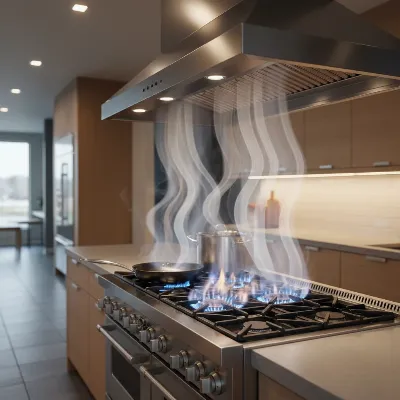
A well-ventilated kitchen is the heart of a healthy home, yet many homeowners overlook the importance of a properly installed range hood. Cooking often generates smoke, steam, grease, and odors that can linger, leading to poor air quality and residue buildup throughout your kitchen. While some range hoods recirculate air, a ducted system that vents directly outside is significantly more effective at removing these airborne pollutants. Installing a range hood to vent through an exterior wall can seem daunting, but with careful planning, the right tools, and a step-by-step approach, it’s a manageable DIY project that dramatically enhances your cooking environment. This guide will walk you through everything you need to know, from preparation and tools to execution and troubleshooting, ensuring your kitchen remains fresh and clean.
Understanding Range Hoods and Their Venting Mechanisms
Range hoods are essential kitchen appliances designed to remove smoke, steam, heat, and odors from your cooking area. They achieve this through either ducted (vented) or ductless (recirculating) systems.
- Ducted Range Hoods: These systems pull air from your kitchen, filter it, and then exhaust it directly outside your home through a duct system, typically via a roof or an exterior wall. They are the most effective at eliminating pollutants, providing superior air quality. Venting through an exterior wall is often preferred as it usually involves shorter duct runs and simpler waterproofing compared to roof venting.
- Ductless Range Hoods: These hoods filter kitchen air through charcoal filters to remove odors and some grease before recirculating it back into the kitchen. While easier to install as they don’t require external ductwork, they are less effective at removing heat and moisture and require regular filter replacement.
For optimal performance and air quality, a ducted range hood is always recommended.
Types of Range Hoods for Wall Venting
While this guide focuses on the venting process, it’s important to understand which range hoods are typically vented through a wall:
- Wall-Mounted Range Hoods: These are standalone units attached directly to the wall above the cooktop and are designed for external venting. They often come with decorative chimney covers.
- Under-Cabinet Range Hoods: Installed beneath kitchen cabinets, these hoods can be ducted through the rear wall or vertically through the cabinet above and then out an exterior wall or roof.
- Insert/Cabinet Liner Hoods: These are built into custom cabinetry above the cooktop, providing a seamless look while offering powerful ventilation. They also require ducting to the exterior.
|
Our Picks for the Best Range Hood in 2026
As an Amazon Associate I earn from qualifying purchases.
|
||
| Num | Product | Action |
|---|---|---|
| 1 | AMZCHEF Under Cabinet Range Hood 30 Inch, 750CFM Stainless Steel Kitchen Stove Vent Hood 3 Speed Exhaust Fan Touch/Remote/Gesture Control LED lights Time Setting Dishwasher-Safe Baffle Filters |

|
| 2 | Empava Ductless/Ducted Range Hood Under Cabinet 30 Inch, Touch Control, 300 CFM Plug in, Stainless Steel |
|
| 3 | Range Hood 30inch Under Cabinet, 900CFM Stainless Steel Kitchen Vent Hood with Gesture/Touch Control and Permanent Stainless Steel Filters, Ducted Vent, Top and Rear Vents |
|
| 4 | VIKIO HOME Wall Mount Range Hood 30 inch, 580 CFM, Ducted/Ductless Convertible, Stainless Steel Kitchen Vent Hood with 3-Speed Fan and LED Lights |
|
| 5 | Wall Mount Range Hood 30 inch with Ducted/Ductless Convertible Duct, Stainless Steel Chimney-Style Over Stove Vent Hood with LED Light, 3 Speed Exhaust Fan, 450 CFM |
|
| 6 | AAOBOSI Range Hood 30 inch Under Cabinet,800-CFM Gesture Sensing/Touch Control/Motor Upgrade Low Noise,3 Speed Range Hood with LED Lights Exhaust Fan, Stainless Steel Kitchen Vent Hood |
|
| 7 | Empava Wall Mount Range Hood 30 Inch, Ducted/Ductless Kitchen Exhaust Stove Vent with Modern Style, 400CFM, 3-Speed, Touch Control, Timer, LED Lights, Stainless Steel (Charcoal-Filter Sold Separately) |
|
| 8 | COSMO COS-63175S 30 in. Vista Collection 380 CFM Ducted Wall Mount Range Hood, Touch Controls, LED Lights, Stainless Steel |
|
| 9 | COSMO COS-5MU30 30 in. Delta Collection Ducted Under Cabinet Range Hood, Button Controls, Reusable Filters, LED Lights, Stainless Steel |
|
| 10 | Broan-NuTone BCSQ130SS Three-Speed Glacier Under-Cabinet Range Hood with LED Lights ADA Capable, 1.5 Sones, 375 Max Blower CFM, 30-Inch, Stainless Steel |
|
Island hoods, by contrast, typically vent through the ceiling and roof, as their placement makes exterior wall venting impractical.
Planning Your Range Hood Vent Installation
Thorough planning is crucial for a successful DIY range hood vent installation. This stage involves selecting the right hood, gathering tools, and meticulously mapping out the ducting path.
Selecting the Right Range Hood
Before you even think about cutting holes, choose a range hood that suits your needs and kitchen layout.
- Size: The hood should be at least as wide as your cooktop, or ideally, extend slightly wider for better capture efficiency.
- CFM (Cubic Feet per Minute): This measures the hood’s airflow strength. A general rule of thumb for electric cooktops is 100 CFM for every 10,000 BTUs your cooktop produces, or calculate based on kitchen square footage (kitchen volume in cubic feet divided by 60 for air changes per hour, then multiply by 1.5). For gas ranges, a higher CFM is often required, typically around 600-900 CFM. Always check the manufacturer’s recommendations.
- Mounting Height: Range hoods should typically be mounted 24 to 36 inches above the cooking surface. Refer to your hood’s manual for specific guidelines, as mounting too high reduces effectiveness and too low can be a fire hazard or obstruct cooking.
Essential Tools and Materials
Having all your tools and materials ready before starting will make the process smoother and safer.
Tools:
- Power drill and drill bits (including a long masonry bit if applicable)
- Hole saw (sized for your duct) or reciprocating saw/jigsaw
- Stud finder
- Tape measure and level
- Pencil or marker
- Caulking gun
- Wire strippers and electrical tester
- Screwdriver set
- Utility knife
- Safety glasses and gloves
Materials:
- Range hood (with all components)
- Rigid metal ducting (galvanized steel or aluminum), matching the hood’s outlet size
- Exterior wall cap (with damper and pest screen, if not built-in)
- HVAC foil tape (metal tape), not cloth duct tape
- Silicone caulk (exterior-grade, weatherproof)
- Wood screws or masonry screws (depending on wall type)
- Cable connectors and wire connectors
- Optional: PVC trim board (for uneven siding)
- Optional: Insulation (for ductwork in unconditioned spaces)
Planning the Vent Path and Location
The most direct path is always the best. A straight, short duct run minimizes air resistance, reduces noise, and maximizes efficiency.
- Identify Obstructions: Before marking or cutting, use a stud finder to locate wall studs and inspect the interior wall for electrical wiring, plumbing pipes, or HVAC ducts. Cutting into these can cause serious damage and safety hazards. If you find any, you may need to adjust your vent location or consult a professional to reroute them.
- Mark the Interior Wall:
- Determine the ideal height for your range hood, typically 24-36 inches above the cooktop.
- Locate the center of your cooktop. Use a level to draw a vertical line from this point up the wall.
- Refer to your range hood’s manual or use its template to mark the exact location and size of the duct opening on the interior wall. This is usually near the top of the hood.
- Double-check measurements and ensure the opening avoids studs and other obstructions.
- Safety Tip: Always turn off the power to the kitchen circuit at the breaker box before any cutting or wiring.
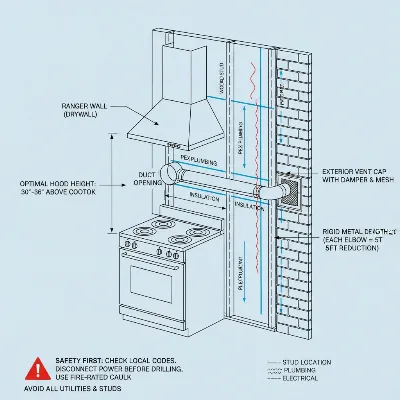 A detailed diagram showing the planned duct path for a range hood through an exterior wall, highlighting internal and external measurements, and potential obstructions like electrical lines or studs. Editorial style, clear labels.
Step-by-Step Installation Process
With careful planning complete, it’s time to execute the installation. This process involves cutting holes, installing ductwork, and securing the exterior vent cap.
1. Cut the Interior Wall Opening
Once you’ve marked the vent hole location, it’s time to cut the interior drywall or plaster.
- Pilot Hole: Drill a small pilot hole in the center of your marked opening. This allows you to check for unseen obstructions just behind the wall with a bent coat hanger or borescope before making a large cut.
- Cutting the Hole: Use a reciprocating saw, hole saw (for round ducts), or jigsaw to carefully cut along your marked outline. If cutting a round hole, a hole saw attachment on your drill will provide the cleanest cut. For square or rectangular openings, a reciprocating saw is more suitable. Remove the cut-out section and any insulation to expose the exterior wall sheathing.
2. Drill Locator Holes and Cut the Exterior Wall
To ensure your exterior cut aligns perfectly with the interior opening, you’ll drill locator holes.
- Locator Holes: From the inside, use a long drill bit to drill a pilot hole through each corner of your interior opening, all the way through the exterior wall.
- Marking the Exterior: Go outside and locate the drilled pilot holes. Connect these dots with a pencil or marker to outline the exact vent opening on the exterior siding.
- Cutting the Exterior Siding:
- For wood or vinyl siding, use a reciprocating saw, jigsaw, or saber saw to cut along the outline.
- For brick or masonry walls, the process is more involved. Use a long masonry bit to drill a series of holes closely spaced along your outline. Then, use a cold chisel and hammer to chip out the material between the holes. This method creates a rough but functional opening.
- Remove the cut section of siding and sheathing to reveal the wall cavity. Ensure the hole is clean and sized appropriately for your duct and wall cap.
3. Install the Exterior Wall Cap
The exterior wall cap protects your home from the elements and pests while allowing air to exhaust.
- Prepare the Opening: Clean any debris from around the exterior opening. If your siding is uneven, you might need to install a PVC trim board around the opening to provide a flat, stable surface for the wall cap. Cut the trim board to match the wall cap’s size and cut a corresponding hole for the duct. Secure the trim board with screws and caulk around its edges.
- Insert the Wall Cap: From the outside, insert the duct’s wall cap into the opening. Ensure the duct portion of the cap extends far enough into the wall cavity to connect with your interior ductwork.
- Secure and Seal: Fasten the wall cap to the exterior wall using screws, drilling into studs if possible for added security. Apply a generous bead of exterior-grade silicone caulk around the entire flange of the wall cap to create a watertight and airtight seal. This is crucial for preventing water intrusion and drafts.
4. Install Ductwork
Connecting the range hood to the exterior wall cap requires rigid metal ducting.
- Connect to Wall Cap: From the inside, attach the rigid ducting to the wall cap’s exhaust port. If an elbow is needed, ensure it’s securely attached. Use HVAC foil tape to seal all joints and connections completely, preventing air leaks and maximizing efficiency. Do not use standard cloth duct tape, as it can degrade over time and lose its adhesive properties due to heat and moisture.
- Connect to Range Hood: Once the range hood is mounted (as per its instructions), connect the other end of the ductwork to the hood’s exhaust collar. Again, use HVAC foil tape to seal this connection tightly.
- Shortest, Straightest Run: Aim for the shortest and straightest possible duct run with minimal bends. Each 90-degree elbow significantly reduces airflow efficiency. If bends are necessary, ensure they are smooth and gradual, not sharp angles. The total duct run should ideally be under 30 feet.
- Insulation: If your ductwork passes through an unconditioned space (like an attic or crawl space), insulate it to prevent condensation from forming inside the duct, which can lead to moisture problems and reduced performance.
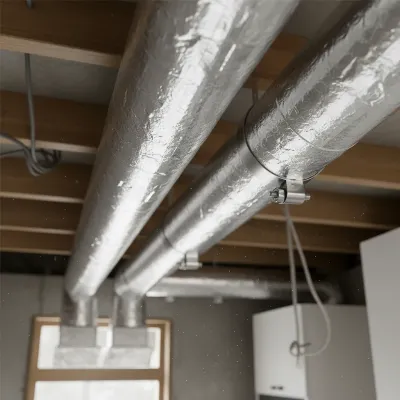 Close-up of rigid metal ductwork securely connected with HVAC foil tape, illustrating proper sealing techniques for range hood ventilation. Clean, functional focus.
5. Electrical Wiring and Final Mounting
Wiring the range hood and mounting it correctly are the final steps.
- Electrical Connection:
- CRITICAL SAFETY STEP: Ensure the power to the circuit is OFF at the breaker box before touching any wires.
- Run the electrical cable from a nearby junction box or receptacle through the designated opening in the wall and into the range hood’s electrical housing.
- Strip the sheathing from the cable and connect the wires (typically black to black, white to white, and bare copper/green to ground) using appropriate wire connectors.
- Secure the cable to the range hood with a cable connector.
- If you need to extend wiring or are unsure, consult a qualified electrician.
- Mount the Range Hood: With the electrical connections made and ductwork attached, carefully lift the range hood into place. Secure it to the wall studs or adjacent cabinetry using the manufacturer’s provided mounting brackets or screws. Having a helper for this step is highly recommended.
- Reinstall Components: Reinstall any filters, covers, or other components that were removed during the initial setup.
6. Test and Inspect
Once everything is installed, it’s time to test your new range hood.
- Restore Power: Turn the power back on at the breaker box.
- Functionality Check: Test all fan speeds and lights. You should feel a strong airflow being pulled into the hood and exhausted outside.
- Inspect for Leaks: Go outside and check the exterior vent cap. Ensure air is flowing out freely. Re-check all duct connections inside for any signs of air leakage. Use a piece of tissue paper near the joints; if it flutters, there’s a leak that needs to be sealed with more HVAC tape.
Common Mistakes to Avoid During Installation
Even experienced DIYers can make mistakes. Being aware of these common pitfalls can save you time, money, and headaches.
- Venting into Enclosed Spaces: Never vent a range hood into an attic, crawl space, wall cavity, or soffit. This is a significant fire hazard due to grease buildup, a breeding ground for mold and mildew due to moisture, and a violation of building codes. Always vent completely to the outside.
- Using Flexible Plastic Ducting: Flexible plastic ducts create significant airflow resistance due to their ridged interior, reducing the hood’s efficiency and increasing noise. They can also trap grease more easily, increasing fire risk. Always use rigid galvanized steel or aluminum ductwork.
- Incorrect Duct Size: Never reduce the duct size specified by the range hood manufacturer. A smaller duct restricts airflow, overworks the motor, and diminishes performance. Ensure the duct diameter matches the hood’s exhaust collar.
- Too Many Bends or Long Runs: Keep duct runs as short and straight as possible. Each bend adds air resistance. Aim for no more than two 90-degree elbows, and keep the total duct length under 30 feet for optimal performance.
- Improper Sealing: Unsealed duct joints and exterior wall caps lead to air leaks, reducing suction power and allowing conditioned air to escape or unconditioned air to enter your home. Use HVAC foil tape for duct joints and exterior-grade silicone caulk for the wall cap.
- Ignoring Electrical Safety: Always turn off power at the breaker before working with electrical components. If you’re unsure about wiring, hire a qualified electrician.
- Incorrect Mounting Height: Mounting the hood too high reduces its ability to capture smoke and steam, while mounting it too low can be dangerous and obstructive. Always follow the manufacturer’s recommended height.
> “Proper range hood ventilation is not just about removing odors; it’s about protecting your home’s air quality and structural integrity. Cutting corners on ducting or sealing can lead to costly problems down the line.” – Johnathan Hayes, HVAC Specialist
Maintenance Tips for Your Vented Range Hood
Once your range hood is installed, regular maintenance will ensure it continues to operate efficiently and effectively for years.
- Clean Grease Filters Regularly: Most range hoods have metal grease filters that should be cleaned monthly, or more frequently if you cook often. These are usually dishwasher-safe or can be cleaned with hot, soapy water.
- Wipe Down Surfaces: Regularly wipe down the exterior and interior surfaces of the hood to prevent grease buildup. Use a non-abrasive cleaner suitable for your hood’s finish.
- Inspect Ductwork (Annually): If accessible, periodically inspect your ductwork for any signs of grease buildup, kinks, or disconnections. While rigid ducts are less prone to buildup than flexible ones, a professional cleaning might be necessary over time if cooking is very heavy.
- Check Exterior Wall Cap: Ensure the exterior wall cap is clear of debris (leaves, bird nests, etc.) and that the damper (flapper) opens and closes freely. Reapply caulk around the cap if you notice any cracks or deterioration in the seal.
- Monitor Performance: Pay attention to your hood’s suction power and noise levels. A decrease in suction or an increase in noise could indicate a blockage or a problem with the motor or ductwork.
Bảng So Sánh Các Mẫu Máy Hút Mùi Tốt Nhất Hiện Nay
| Feature | Wall-Mounted Chimney Hood | Under-Cabinet Hood | Insert/Cabinet Liner Hood |
|---|---|---|---|
| Aesthetics | Prominent, stylish design; often a kitchen focal point | Blends with cabinetry, less conspicuous | Completely hidden within custom cabinetry for seamless look |
| Installation | Direct wall mounting, requires chimney duct cover | Mounts under upper cabinets, often simpler ducting | Requires custom cabinet work for integration |
| Venting Options | Primarily top-vented, can adapt to rear if space allows | Top or rear-vented | Primarily top-vented |
| Duct Access | Typically vertical through chimney cover, then out wall | Through rear wall or top of cabinet, then out wall/roof | Through top of cabinet, then out wall/roof |
| Common CFM Range | 300-1200 CFM | 200-800 CFM | 400-1500+ CFM (often professional-grade) |
| Price Range | Mid to High | Low to Mid | High (due to custom cabinetry and powerful motors) |
| Pros | Powerful, stylish, effective | Cost-effective, space-saving, relatively easy to install | Invisible, highly powerful, preserves kitchen design |
| Cons | Can be bulky, more complex duct cover installation | May obstruct cabinet space, less powerful than other types | Requires extensive custom cabinetry, higher overall cost |
Conclusion
Venting a range hood through an exterior wall is a rewarding DIY project that significantly improves your kitchen’s air quality and overall comfort. By carefully planning your installation, gathering the right tools, and meticulously following each step from marking and cutting to ductwork and sealing, you can achieve a professional result. Remember to prioritize safety by turning off electricity and checking for obstructions. Choosing rigid metal ducting, ensuring airtight seals, and maintaining a direct duct path are key to maximizing your range hood’s efficiency and longevity. With a properly vented range hood, you can enjoy a cleaner, fresher, and healthier cooking environment for years to come.
Are you ready to transform your kitchen’s air quality with a new vented range hood?
Frequently Asked Questions
What kind of ducting should I use for a range hood?
Always use rigid metal ducting, such as galvanized steel or aluminum, for venting a range hood. Flexible plastic or foil ducts are strongly discouraged as their ridged interiors create turbulence, reduce airflow efficiency, increase noise, and are more prone to grease buildup and fire hazards.
How far should a range hood be from the cooktop?
Generally, a range hood should be installed between 24 and 36 inches above the cooking surface. The exact distance can vary based on the range hood model and whether you have a gas or electric cooktop. Always consult your range hood’s manufacturer instructions for the precise recommended mounting height to ensure optimal performance and safety.
Can I vent a range hood into the attic?
No, you should never vent a range hood into an attic, crawl space, wall cavity, or any other enclosed area. This practice is a serious fire hazard due to accumulating grease, leads to severe moisture problems like mold and wood rot, and violates most building codes. Range hoods must always vent directly to the outside of your home.
What tools are essential for cutting a hole through an exterior wall?
For cutting through an exterior wall, essential tools include a power drill with long bits (and a masonry bit for brick/stone), a hole saw (for round ducts) or a reciprocating saw/jigsaw (for square/rectangular ducts), and a stud finder to locate framing members and prevent accidental damage to utilities.
How do I seal the exterior vent cap to prevent leaks?
To seal the exterior vent cap effectively, apply a generous and continuous bead of exterior-grade silicone caulk around the entire flange of the wall cap where it meets the siding. This creates a watertight and airtight barrier, preventing water intrusion, drafts, and energy loss.
How long should the duct run be for a range hood?
The shortest and straightest possible duct run is always best for Range Hood efficiency. Aim to keep the total duct length under 30 feet, and minimize the number of bends. Each 90-degree elbow is equivalent to several feet of straight duct in terms of airflow resistance, so use them sparingly.