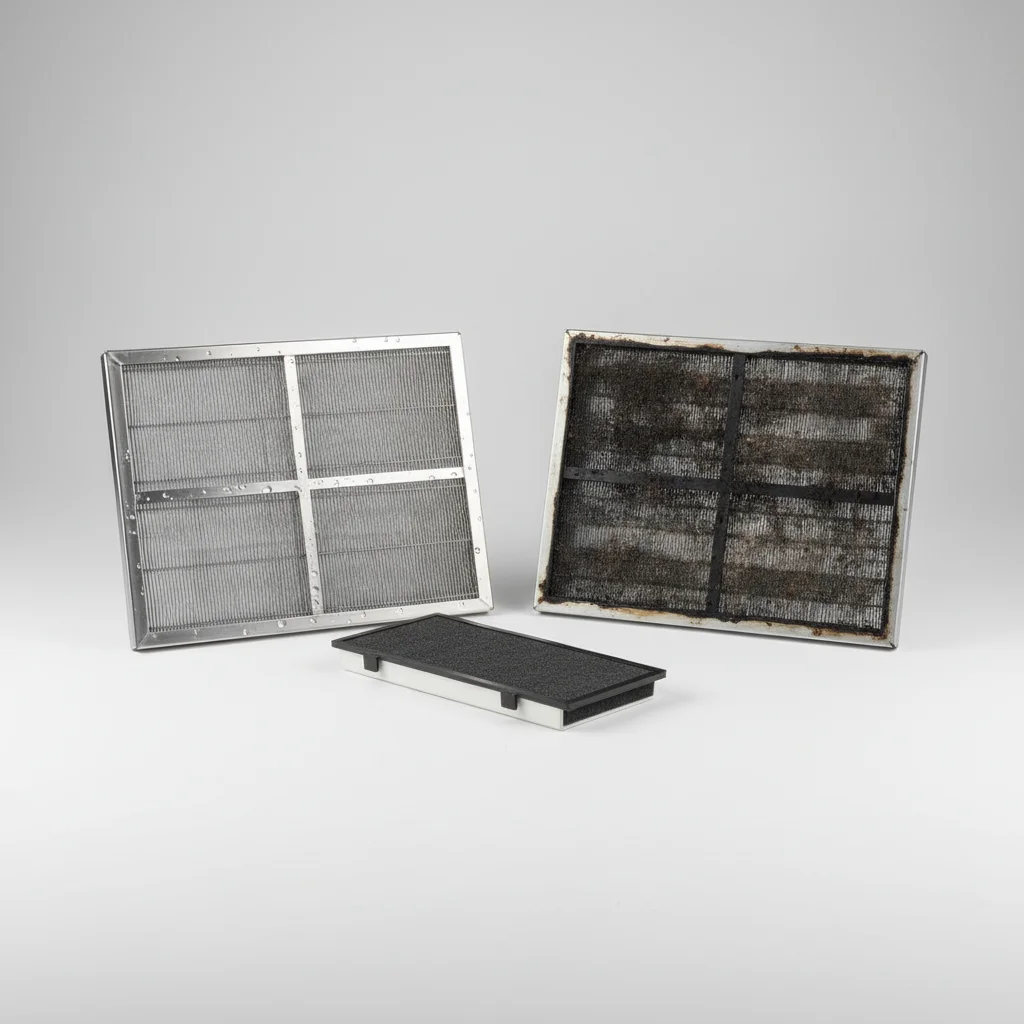
Understanding the optimal cleaning and replacement schedule for your range hood filters is crucial for maintaining kitchen air quality and the efficiency of your ventilation system. Generally, mesh or baffle filters should be cleaned every 3-6 weeks, while charcoal filters, used in ductless systems, require replacement every 3-4 months. This frequency can vary based on your cooking habits and the type of food you prepare.
Why Regular Filter Maintenance Matters
Regular maintenance of your range hood filters isn’t just about cleanliness; it directly impacts the performance and longevity of your appliance. Clogged filters restrict airflow, forcing your range hood motor to work harder, which can lead to premature wear and tear, increased energy consumption, and a significant reduction in its ability to remove smoke, grease, and odors from your kitchen. Furthermore, a buildup of grease in filters can pose a fire hazard. For shop curated kitchen ventilation on this site.
Cleaning Mesh and Baffle Filters
Mesh and baffle filters are designed for reusability and can be cleaned manually or in a dishwasher. For manual cleaning, soak the filters in hot, soapy water with a degreasing agent for 30 minutes, then scrub gently with a brush to remove any remaining grease. Rinse thoroughly and allow them to air dry completely before reinstalling. Dishwasher cleaning is often simpler; place the filters in the dishwasher on a hot cycle with a strong detergent, avoiding other dishes to prevent grease transfer.
When to Replace Charcoal Filters
|
Our Picks for the Best Range Hood in 2026
As an Amazon Associate I earn from qualifying purchases.
|
||
| Num | Product | Action |
|---|---|---|
| 1 | Empava Ductless/Ducted Range Hood Under Cabinet 30 Inch, Touch Control, 300 CFM Plug in, Stainless Steel |

|
| 2 | Range Hood 30inch Under Cabinet, 900CFM Stainless Steel Kitchen Vent Hood with Gesture/Touch Control and Permanent Stainless Steel Filters, Ducted Vent, Top and Rear Vents |
|
| 3 | COSMO COS-63175S 30 in. Vista Collection 380 CFM Ducted Wall Mount Range Hood, Touch Controls, LED Lights, Stainless Steel |
|
| 4 | Empava Wall Mount Range Hood 30 Inch, Ducted/Ductless Kitchen Exhaust Stove Vent with Modern Style, 400CFM, 3-Speed, Touch Control, Timer, LED Lights, Stainless Steel (Charcoal-Filter Sold Separately) |
|
| 5 | COSMO COS-5MU30 30 in. Delta Collection Ducted Under Cabinet Range Hood, Button Controls, Reusable Filters, LED Lights, Stainless Steel |
|
| 6 | Broan-NuTone BCSQ130SS Three-Speed Glacier Under-Cabinet Range Hood with LED Lights ADA Capable, 1.5 Sones, 375 Max Blower CFM, 30-Inch, Stainless Steel |
|
| 7 | AMZCHEF Under Cabinet Range Hood 30 Inch, 750CFM Stainless Steel Kitchen Stove Vent Hood 3 Speed Exhaust Fan Touch/Remote/Gesture Control LED lights Time Setting Dishwasher-Safe Baffle Filters |
|
| 8 | VIKIO HOME Wall Mount Range Hood 30 inch, 580 CFM, Ducted/Ductless Convertible, Stainless Steel Kitchen Vent Hood with 3-Speed Fan and LED Lights |
|
| 9 | AAOBOSI Range Hood 30 inch Under Cabinet,800-CFM Gesture Sensing/Touch Control/Motor Upgrade Low Noise,3 Speed Range Hood with LED Lights Exhaust Fan, Stainless Steel Kitchen Vent Hood |
|
| 10 | Wall Mount Range Hood 30 inch with Ducted/Ductless Convertible Duct, Stainless Steel Chimney-Style Over Stove Vent Hood with LED Light, 3 Speed Exhaust Fan, 450 CFM |
|
Charcoal filters, also known as carbon filters, are essential for ductless range hoods as they absorb odors and trap grease particles. Unlike mesh or baffle filters, charcoal filters cannot be cleaned and must be replaced regularly. The typical lifespan is 3-4 months, but if you cook frequently or prepare strong-smelling foods, you might need to replace them more often. A noticeable decrease in odor removal or a persistent cooking smell after using your range hood are clear indicators that it’s time for a replacement.
Signs Your Filters Need Attention
Beyond the recommended schedule, several signs indicate your range hood filters need immediate attention. These include:
- Reduced airflow or suction power from your range hood.
- Visible grease buildup or discoloration on the filter surface.
- Lingering cooking odors in your kitchen after ventilation.
- An increase in noise from the range hood motor as it struggles to pull air.
- Grease dripping from the filter onto your stovetop.
Extending Filter Life and Efficiency
To maximize the life and efficiency of your range hood filters, consider these practices. Always run your range hood at a lower setting for a few minutes after cooking to clear residual steam and odors. Wipe down the exterior surfaces of your range hood regularly to prevent grease accumulation. For heavy cooking, consider using a splatter guard to minimize grease reaching the filters.Investing in high-quality filters can also make a difference, as they often have better filtration capabilities and may last longer between cleanings or replacements.
