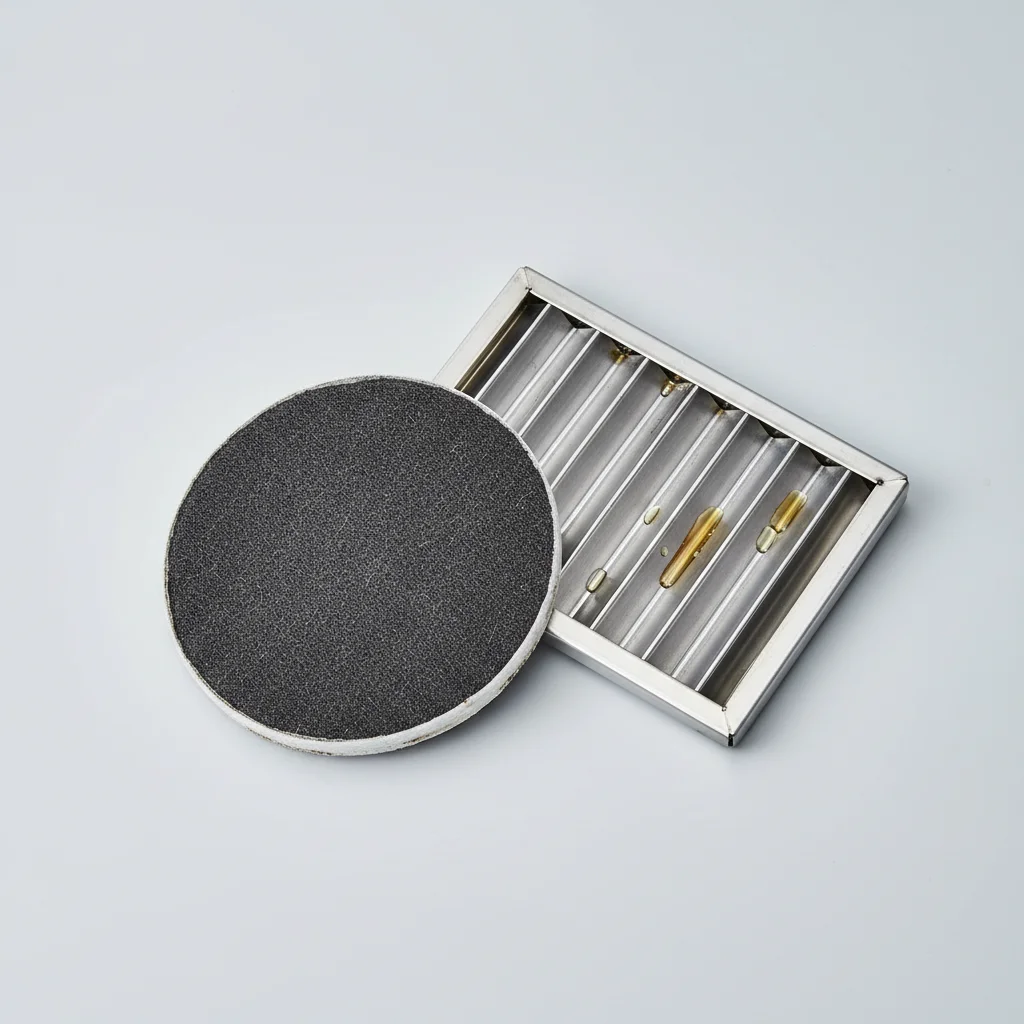
Understanding when to replace your range hood filters is crucial for maintaining optimal kitchen air quality and the longevity of your appliance. For charcoal filters, a general guideline is to replace them every 3 to 6 months, depending on your cooking frequency. Baffle filters, on the other hand, are designed for durability and typically only require replacement if they become physically damaged or severely corroded, which can take many years.
The Lifespan of Charcoal Filters
Charcoal filters, also known as activated carbon filters, are essential for ductless or recirculating range hoods. Their primary function is to absorb odors and trap grease particles before the air is recirculated back into your kitchen. Over time, the activated carbon becomes saturated with contaminants, losing its effectiveness. If you cook frequently, especially dishes with strong odors or high grease content, you might need to replace them closer to the 3-month mark. Infrequent cooks might extend this to 6 months.
Ignoring the replacement schedule can lead to a noticeable decrease in odor removal, increased grease buildup on kitchen surfaces, and a strain on your range hood’s motor as it works harder to pull air through clogged filters. Always refer to your range hood’s user manual for specific recommendations, as some manufacturers may suggest different intervals based on their filter design.
Durability and Maintenance of Baffle Filters
Baffle filters are commonly found in ducted range hoods and are renowned for their robust construction, typically made from stainless steel or aluminum. Unlike charcoal filters, baffle filters do not absorb odors but are highly efficient at trapping grease. Their design forces grease-laden air to change direction rapidly, causing grease particles to condense and drip into collection trays.
These filters are designed to be cleaned rather than replaced regularly. Most baffle filters are dishwasher-safe, making maintenance straightforward. Regular cleaning, ideally every 2-4 weeks depending on cooking habits, will keep them functioning optimally. Replacement is usually only necessary if the filter frame is bent, the baffles are damaged, or if there’s significant corrosion that cannot be cleaned away. A well-maintained baffle filter can last for the entire lifespan of your range hood, often 10-15 years or more.
Signs It’s Time for a Filter Change or Deep Clean
|
Our Picks for the Best Range Hood in 2026
As an Amazon Associate I earn from qualifying purchases.
|
||
| Num | Product | Action |
|---|---|---|
| 1 | Range Hood 30inch Under Cabinet, 900CFM Stainless Steel Kitchen Vent Hood with Gesture/Touch Control and Permanent Stainless Steel Filters, Ducted Vent, Top and Rear Vents |

|
| 2 | Wall Mount Range Hood 30 inch with Ducted/Ductless Convertible Duct, Stainless Steel Chimney-Style Over Stove Vent Hood with LED Light, 3 Speed Exhaust Fan, 450 CFM |
|
| 3 | Empava Wall Mount Range Hood 30 Inch, Ducted/Ductless Kitchen Exhaust Stove Vent with Modern Style, 400CFM, 3-Speed, Touch Control, Timer, LED Lights, Stainless Steel (Charcoal-Filter Sold Separately) |
|
| 4 | AAOBOSI Range Hood 30 inch Under Cabinet,800-CFM Gesture Sensing/Touch Control/Motor Upgrade Low Noise,3 Speed Range Hood with LED Lights Exhaust Fan, Stainless Steel Kitchen Vent Hood |
|
| 5 | COSMO COS-63175S 30 in. Vista Collection 380 CFM Ducted Wall Mount Range Hood, Touch Controls, LED Lights, Stainless Steel |
|
| 6 | Broan-NuTone BCSQ130SS Three-Speed Glacier Under-Cabinet Range Hood with LED Lights ADA Capable, 1.5 Sones, 375 Max Blower CFM, 30-Inch, Stainless Steel |
|
| 7 | AMZCHEF Under Cabinet Range Hood 30 Inch, 750CFM Stainless Steel Kitchen Stove Vent Hood 3 Speed Exhaust Fan Touch/Remote/Gesture Control LED lights Time Setting Dishwasher-Safe Baffle Filters |
|
| 8 | COSMO COS-5MU30 30 in. Delta Collection Ducted Under Cabinet Range Hood, Button Controls, Reusable Filters, LED Lights, Stainless Steel |
|
| 9 | VIKIO HOME Wall Mount Range Hood 30 inch, 580 CFM, Ducted/Ductless Convertible, Stainless Steel Kitchen Vent Hood with 3-Speed Fan and LED Lights |
|
| 10 | Empava Ductless/Ducted Range Hood Under Cabinet 30 Inch, Touch Control, 300 CFM Plug in, Stainless Steel |
|
Several indicators can signal that your range hood filters need attention. For charcoal filters, a persistent cooking odor in your kitchen after using the range hood is a clear sign they are saturated and need replacement. For baffle filters, visible grease buildup that doesn’t come off with a light wash, or a noticeable reduction in airflow, suggests a deep clean is overdue. If you hear your range hood motor working harder than usual, it could also be a sign of clogged filters restricting airflow.
- Persistent cooking odors after ventilation.
- Visible grease accumulation on kitchen surfaces.
- Reduced airflow from the range hood.
- Increased noise from the range hood motor.
- Physical damage or corrosion to baffle filters.
Choosing the Right Replacement Filters
When it comes to replacing filters, accuracy is key. Always check your range hood’s model number and consult the user manual or the manufacturer’s website to ensure you purchase the correct size and type of replacement filter. Using incompatible filters can compromise your range hood’s performance and potentially void its warranty. Many manufacturers offer branded replacement filters, but there are also reputable third-party options available that meet or exceed original equipment specifications.
Consider investing in high-quality filters, especially for charcoal types, as they can offer better odor absorption and last longer. For baffle filters, ensure they are made from durable materials like stainless steel for longevity and ease of cleaning.Investing in the correct filters is a small cost compared to the benefits of a clean, odor-free kitchen and a well-functioning range hood.
Extending Filter Life and Maintaining Performance
While replacement is inevitable for charcoal filters, and cleaning is essential for baffle filters, there are practices that can help extend their effective life. Always use your range hood on the appropriate speed setting for the type of cooking you are doing. For instance, high heat searing or frying will produce more grease and smoke, requiring a higher fan speed. Wiping down the exterior of your range hood regularly can also prevent grease buildup from migrating to the filters. Regular maintenance not only ensures your filters work efficiently but also contributes to the overall health and cleanliness of your kitchen environment.

This was super helpful for my ductless range hood. I never fully understood how the charcoal filters worked to absorb odors, but now it makes perfect sense why they need regular replacement. My kitchen smells so much better after I swapped out the old, saturated filter. Definitely keeping a closer eye on the 3-6 month guideline.
I appreciate the breakdown on activated carbon filters. I’ve been pretty good about changing mine, but sometimes it’s hard to remember exactly when I last did it. I wish there was a clearer indicator on the filter itself when it’s saturated. Still, it’s helpful to know the general timeframe.
Great info on baffle filters! I’ve had mine for years and never really thought about replacing them unless they were visibly damaged. It’s good to know that they’re built to last and don’t need the frequent changes like the charcoal ones. I’ll keep an eye out for corrosion now, just in case.
I always wondered about the lifespan of my charcoal filters. This really clarified that I should be replacing them every 3-6 months, especially since I cook a lot of stir-fries and other greasy foods. My kitchen air quality has definitely improved since I started following this advice. It’s a small change that makes a big difference.