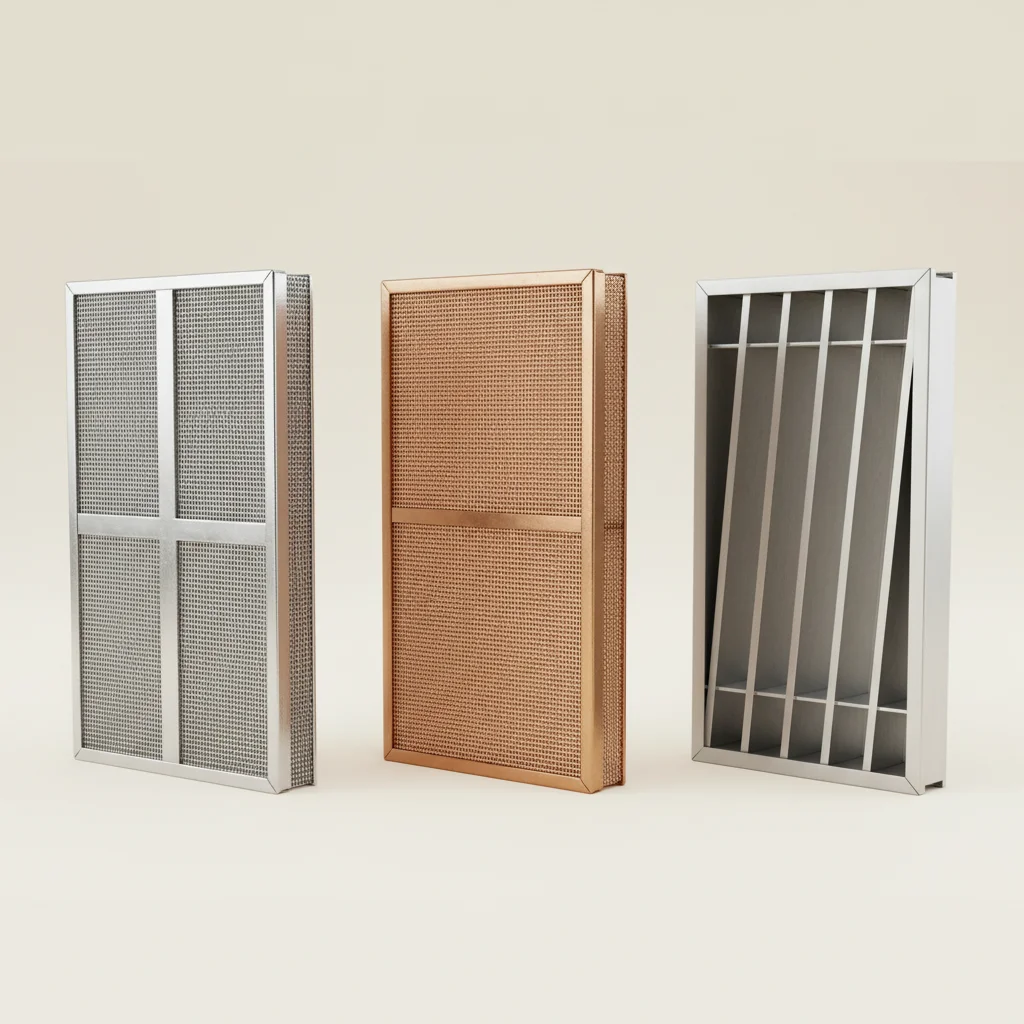
When considering range hood filters, the material significantly impacts their longevity and effectiveness. Generally, stainless steel baffle filters offer the best longevity, often lasting the lifetime of the range hood with proper cleaning, while aluminum mesh filters typically need replacement every 3-5 years, and charcoal filters every 3-6 months depending on usage.
Understanding Different Filter Materials
Range hood filters come in several primary materials, each with distinct advantages and disadvantages regarding durability and maintenance. The most common types are aluminum mesh, stainless steel baffle, and activated charcoal filters. Aluminum mesh filters are lightweight and effective at trapping grease, but their delicate construction can degrade over time, especially with frequent washing. Stainless steel baffle filters, on the other hand, are robust and designed for heavy-duty use, making them a popular choice for professional and high-end residential kitchens. For compare top kitchen ventilation on this site.
Activated charcoal filters are primarily used in ductless or recirculating range hoods to absorb odors and smoke. These filters are not washable and have a finite lifespan, requiring regular replacement to maintain air quality. Their longevity is directly tied to cooking frequency and intensity.
Stainless Steel Baffle Filters: The Durable Choice
Stainless steel baffle filters are renowned for their durability and efficiency. Unlike mesh filters, baffle filters are designed with a series of interlocking panels that create a tortuous path for grease-laden air. This design causes grease particles to condense and drip into a collection tray, preventing them from entering the ductwork. Their solid construction makes them highly resistant to warping and corrosion, even after numerous cycles in a dishwasher or vigorous hand washing. With proper care, a stainless steel baffle filter can last as long as the range hood itself, making it a cost-effective long-term solution.
The robust nature of stainless steel also means these filters can withstand higher temperatures, which is an important safety consideration for kitchens with high-heat cooking. They are also easier to clean thoroughly compared to mesh filters, where grease can become deeply embedded in the fine weave.
Aluminum Mesh Filters: Balancing Cost and Performance
|
Our Picks for the Best Range Hood in 2026
As an Amazon Associate I earn from qualifying purchases.
|
||
| Num | Product | Action |
|---|---|---|
| 1 | AAOBOSI Range Hood 30 inch Under Cabinet,800-CFM Gesture Sensing/Touch Control/Motor Upgrade Low Noise,3 Speed Range Hood with LED Lights Exhaust Fan, Stainless Steel Kitchen Vent Hood |

|
| 2 | VIKIO HOME Wall Mount Range Hood 30 inch, 580 CFM, Ducted/Ductless Convertible, Stainless Steel Kitchen Vent Hood with 3-Speed Fan and LED Lights |
|
| 3 | Broan-NuTone BCSQ130SS Three-Speed Glacier Under-Cabinet Range Hood with LED Lights ADA Capable, 1.5 Sones, 375 Max Blower CFM, 30-Inch, Stainless Steel |
|
| 4 | Empava Wall Mount Range Hood 30 Inch, Ducted/Ductless Kitchen Exhaust Stove Vent with Modern Style, 400CFM, 3-Speed, Touch Control, Timer, LED Lights, Stainless Steel (Charcoal-Filter Sold Separately) |
|
| 5 | Wall Mount Range Hood 30 inch with Ducted/Ductless Convertible Duct, Stainless Steel Chimney-Style Over Stove Vent Hood with LED Light, 3 Speed Exhaust Fan, 450 CFM |
|
| 6 | COSMO COS-5MU30 30 in. Delta Collection Ducted Under Cabinet Range Hood, Button Controls, Reusable Filters, LED Lights, Stainless Steel |
|
| 7 | Range Hood 30inch Under Cabinet, 900CFM Stainless Steel Kitchen Vent Hood with Gesture/Touch Control and Permanent Stainless Steel Filters, Ducted Vent, Top and Rear Vents |
|
| 8 | Empava Ductless/Ducted Range Hood Under Cabinet 30 Inch, Touch Control, 300 CFM Plug in, Stainless Steel |
|
| 9 | AMZCHEF Under Cabinet Range Hood 30 Inch, 750CFM Stainless Steel Kitchen Stove Vent Hood 3 Speed Exhaust Fan Touch/Remote/Gesture Control LED lights Time Setting Dishwasher-Safe Baffle Filters |
|
| 10 | COSMO COS-63175S 30 in. Vista Collection 380 CFM Ducted Wall Mount Range Hood, Touch Controls, LED Lights, Stainless Steel |
|
Aluminum mesh filters are the most common type found in many residential range hoods due to their lower initial cost and good grease-trapping capabilities. They consist of multiple layers of expanded aluminum mesh designed to capture grease particles as air passes through. While effective, aluminum is a softer metal than stainless steel and can be more prone to bending, denting, or corrosion over time, especially if exposed to harsh detergents or high-pressure washing. Their lifespan is typically shorter than baffle filters, often necessitating replacement every few years to maintain optimal performance.
Regular cleaning is crucial for aluminum mesh filters to prevent grease buildup, which can reduce airflow and become a fire hazard. However, excessive scrubbing or strong chemicals can damage the delicate mesh, further shortening its life.
Activated Charcoal Filters: Essential for Ductless Systems
Activated charcoal filters, also known as carbon filters, are indispensable for ductless range hoods. Their primary function is to absorb odors and some smoke particles, purifying the air before it’s recirculated back into the kitchen. Unlike grease filters, charcoal filters do not trap physical particles in the same way; instead, they rely on the porous structure of activated carbon to chemically bind with odor molecules. Because the carbon eventually becomes saturated and loses its absorptive capacity, these filters have a limited lifespan and must be replaced regularly.
The frequency of replacement for charcoal filters depends heavily on cooking habits. For daily cooks, replacement every 3-4 months is often recommended, while less frequent cooks might extend this to 6 months. Failing to replace them will result in diminished odor removal and poorer air quality.
Factors Influencing Filter Longevity
- Cooking Frequency: More frequent cooking, especially frying or grilling, will saturate filters faster.
- Type of Cooking: High-grease cooking (e.g., deep-frying) significantly reduces filter life.
- Cleaning Routine: Regular and proper cleaning extends the life of washable filters.
- Filter Material Quality: Higher quality materials and construction lead to greater durability.
- Airflow Volume: Higher CFM hoods can pull more air through, potentially saturating filters faster.
Making the Right Choice for Your Kitchen
Choosing the right range hood filter material depends on your specific kitchen setup, cooking habits, and budget. For maximum longevity and ease of maintenance in ducted systems, stainless steel baffle filters are the superior choice. If you have a ductless system, regular replacement of activated charcoal filters is non-negotiable for effective odor control. For those on a tighter budget or with lighter cooking needs, aluminum mesh filters offer a good balance of performance and initial cost, provided they are cleaned and replaced as needed. Understanding these differences ensures your range hood operates efficiently and keeps your kitchen air clean for years to come.

I recently upgraded to a range hood with stainless steel baffle filters, and what a difference! The post mentioned how they can last the lifetime of the hood, and I can already tell these are built to last. Cleaning them is a breeze too, much easier than the old mesh ones I had. Definitely worth the investment for the durability.
I’ve always used aluminum mesh filters because they’re so common, but I’m constantly replacing them. The article’s point about them needing replacement every 3-5 years really hit home. I’m considering switching to baffle filters next time, even though they’re a bit more expensive upfront. The hassle of frequent replacements is getting old.
I’m a heavy-duty cook, and my old filters just couldn’t keep up. The information about stainless steel baffle filters being designed for heavy-duty use was exactly what I needed to hear. I bought a new hood with them, and they’re fantastic at trapping grease without getting clogged up. My kitchen air is so much cleaner now.
My current range hood uses activated charcoal filters, and while they do a good job with odors, having to replace them every 3-6 months is a bit of a pain. I wish there was a more long-lasting option for odor control. The post was helpful in explaining why they need such frequent changes, but it doesn’t make the chore any less annoying.