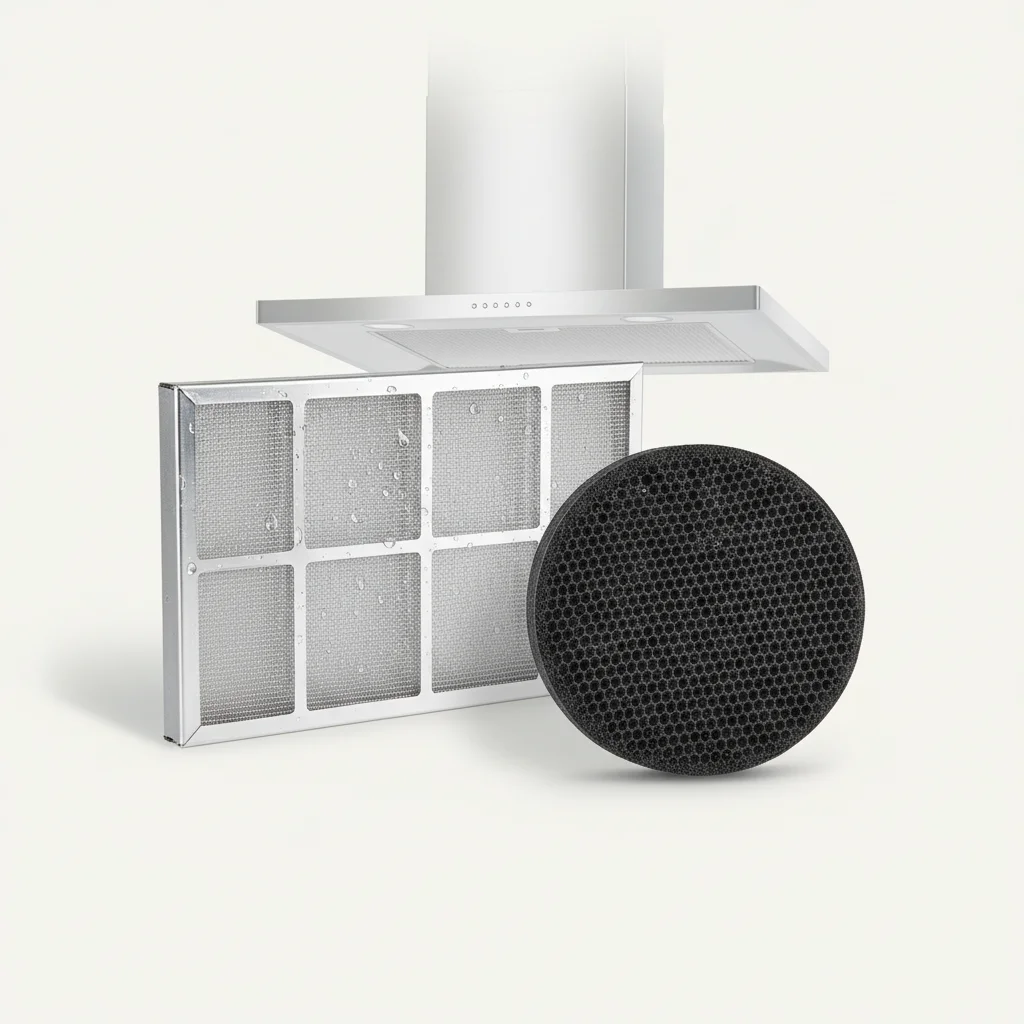
Keeping your range hood grease filters clean is crucial for optimal kitchen ventilation and fire safety. For most households, cleaning your range hood grease filters every 3-4 weeks is ideal to maintain efficiency and prevent grease buildup. However, this frequency can vary based on your cooking habits and the type of food you prepare.
Understanding Grease Filter Types and Materials
Range hood grease filters come in various types, primarily mesh and baffle. Mesh filters, often made from aluminum, are designed to trap grease particles in multiple layers of woven metal. Baffle filters, typically stainless steel, use a series of interlocking plates to create a path that forces grease to condense and drain away. Both types require regular cleaning, but baffle filters are generally easier to clean due to their smoother surfaces and less intricate design.
The material of your filter also influences cleaning. Aluminum mesh filters can sometimes be more delicate and prone to damage if scrubbed too aggressively, while stainless steel baffle filters are robust and can withstand more rigorous cleaning methods. Always consult your range hood’s manual for specific cleaning recommendations for your filter type.
Factors Influencing Cleaning Frequency
Several factors dictate how often you should clean your range hood grease filters. If you cook frequently, especially frying or stir-frying, your filters will accumulate grease much faster than someone who cooks occasionally. High-fat foods release more grease into the air, necessitating more frequent cleaning. Additionally, the type of range hood and its CFM (Cubic Feet per Minute) rating can also play a role; higher CFM hoods might pull more air and thus more grease through the filters, potentially requiring more frequent attention.
Consider your cooking style: do you sear steaks often? Do you deep-fry? These activities generate significant grease. Conversely, if you primarily boil or steam, your filters will likely stay cleaner for longer. A good rule of thumb is to visually inspect your filters weekly; if they appear visibly greasy or discolored, it’s time for a clean.
Effective Cleaning Methods for Grease Filters
|
Our Picks for the Best Range Hood in 2026
As an Amazon Associate I earn from qualifying purchases.
|
||
| Num | Product | Action |
|---|---|---|
| 1 | Range Hood 30inch Under Cabinet, 900CFM Stainless Steel Kitchen Vent Hood with Gesture/Touch Control and Permanent Stainless Steel Filters, Ducted Vent, Top and Rear Vents |

|
| 2 | COSMO COS-5MU30 30 in. Delta Collection Ducted Under Cabinet Range Hood, Button Controls, Reusable Filters, LED Lights, Stainless Steel |
|
| 3 | AAOBOSI Range Hood 30 inch Under Cabinet,800-CFM Gesture Sensing/Touch Control/Motor Upgrade Low Noise,3 Speed Range Hood with LED Lights Exhaust Fan, Stainless Steel Kitchen Vent Hood |
|
| 4 | COSMO COS-63175S 30 in. Vista Collection 380 CFM Ducted Wall Mount Range Hood, Touch Controls, LED Lights, Stainless Steel |
|
| 5 | Broan-NuTone BCSQ130SS Three-Speed Glacier Under-Cabinet Range Hood with LED Lights ADA Capable, 1.5 Sones, 375 Max Blower CFM, 30-Inch, Stainless Steel |
|
| 6 | Empava Ductless/Ducted Range Hood Under Cabinet 30 Inch, Touch Control, 300 CFM Plug in, Stainless Steel |
|
| 7 | VIKIO HOME Wall Mount Range Hood 30 inch, 580 CFM, Ducted/Ductless Convertible, Stainless Steel Kitchen Vent Hood with 3-Speed Fan and LED Lights |
|
| 8 | AMZCHEF Under Cabinet Range Hood 30 Inch, 750CFM Stainless Steel Kitchen Stove Vent Hood 3 Speed Exhaust Fan Touch/Remote/Gesture Control LED lights Time Setting Dishwasher-Safe Baffle Filters |
|
| 9 | Wall Mount Range Hood 30 inch with Ducted/Ductless Convertible Duct, Stainless Steel Chimney-Style Over Stove Vent Hood with LED Light, 3 Speed Exhaust Fan, 450 CFM |
|
| 10 | Empava Wall Mount Range Hood 30 Inch, Ducted/Ductless Kitchen Exhaust Stove Vent with Modern Style, 400CFM, 3-Speed, Touch Control, Timer, LED Lights, Stainless Steel (Charcoal-Filter Sold Separately) |
|
Cleaning your range hood grease filters can be done in a few simple ways. For most mesh and baffle filters, a hot water and dish soap solution is highly effective. Submerge the filters in a sink filled with hot, soapy water and let them soak for 15-30 minutes. Use a non-abrasive brush to scrub away any remaining grease. For stubborn buildup, a degreaser specifically designed for kitchen use can be very helpful. Some filters are also dishwasher safe, which is the most convenient method. Always check your manufacturer’s instructions before placing filters in the dishwasher.
- Soak filters in hot water with dish soap for 15-30 minutes.
- Use a non-abrasive brush to gently scrub away grease.
- For tough grease, apply a kitchen degreaser.
- Rinse thoroughly with hot water until all soap and grease are gone.
- Allow filters to air dry completely before reinserting them into the range hood.
The Importance of Regular Filter Maintenance
Neglecting your range hood grease filters can lead to several problems. A clogged filter reduces the efficiency of your range hood, meaning it won’t effectively remove smoke, odors, and grease from your kitchen air. This can lead to a buildup of airborne contaminants, affecting air quality and potentially triggering allergies or respiratory issues. More critically, heavily greased filters pose a significant fire hazard. Grease is highly flammable, and a spark from your stovetop could ignite accumulated grease, leading to a kitchen fire.
Regular maintenance not only ensures a cleaner, safer kitchen but also extends the lifespan of your range hood. When filters are clean, the motor doesn’t have to work as hard, reducing wear and tear.Investing a small amount of time in cleaning your filters can save you from costly repairs or, worse, a dangerous situation.
When to Consider Replacing Your Filters
While regular cleaning is essential, there comes a time when filters need to be replaced. Mesh filters, in particular, can become permanently clogged or damaged over time, even with diligent cleaning. If you notice tears, holes, or if the mesh is so caked with grease that it’s impossible to clean thoroughly, it’s time for a replacement. Baffle filters are more durable but can also warp or become damaged, affecting their performance.Most manufacturers recommend replacing filters every 1-2 years, depending on usage, but always refer to your specific model’s guidelines. A new set of filters can significantly improve your range hood’s performance and ensure your kitchen remains a safe and pleasant environment.

As someone who cooks almost daily, especially frying and stir-frying, my range hood filters get a serious workout. I used to just rinse them, but now I do a proper soak and scrub every two weeks. It’s made a huge difference in keeping my kitchen air clear and preventing that greasy film from building up everywhere. Fire safety is a big concern for me, so this was super helpful.
I appreciate the info on different filter types. I have mesh filters and they’re a pain to clean thoroughly. I try to do it every month, but sometimes it feels like I can never get all the grease out, especially in the corners. I wish I had known about baffle filters when I bought my range hood, they sound much simpler to maintain.
I used to just wipe down my range hood, but after reading about how important it is to clean the actual grease filters, I’m a convert. I have aluminum mesh filters and they get surprisingly gunky even though I only cook a few times a week. Now I make sure to clean them every 3-4 weeks, and I can really tell the difference in how well my kitchen ventilates.
This was a good reminder about keeping up with filter cleaning. I have stainless steel baffle filters, and while they are definitely easier to clean than the mesh ones I had before, I still sometimes forget. The tip about how they force grease to condense and drain away was interesting. I’ve noticed less grease buildup on my cabinets since I started cleaning them more regularly.