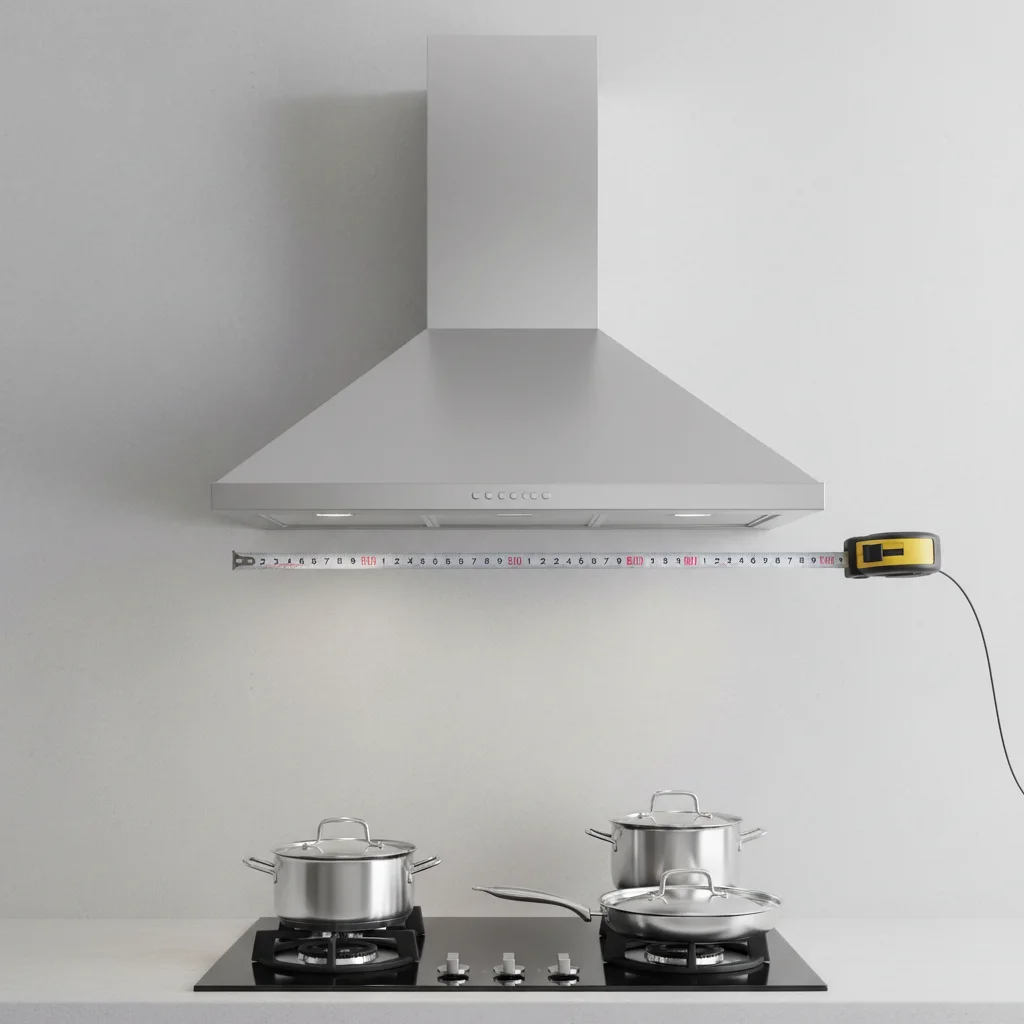
Determining the ideal range hood height above your cooktop is crucial for optimal ventilation and safety. Generally, the recommended distance is between 24 and 36 inches for electric cooktops, and 28 to 36 inches for gas cooktops. This range ensures efficient capture of smoke and odors without obstructing your cooking space or posing a fire hazard. Going too low can impede visibility and create a fire risk, while mounting it too high significantly reduces its effectiveness.
Understanding the Science Behind Optimal Height
The effectiveness of a range hood is directly tied to its proximity to the cooking surface. Hot air, smoke, and grease particles rise, and a hood positioned within the optimal capture zone can efficiently draw them away. For electric cooktops, the lower end of the 24-inch recommendation is often sufficient due to less intense heat and fewer combustion byproducts. Gas cooktops, however, produce more heat and require a slightly higher minimum clearance, typically starting at 28 inches, to prevent damage to the hood and ensure proper flame combustion. For best kitchen ventilation roundups on this site.
Factors like the hood’s CFM (Cubic Feet per Minute) rating also play a role. A higher CFM hood might offer slightly more flexibility in mounting height, but it’s always best to adhere to manufacturer guidelines. Additionally, the type of cooking you do can influence your decision. Frequent high-heat cooking, like stir-frying or searing, benefits from a hood positioned closer to the lower end of the recommended range for maximum capture efficiency.
Manufacturer Recommendations and Building Codes
Always consult your range hood’s installation manual for specific height recommendations. Manufacturers design their hoods to perform best within a particular range, and deviating from these guidelines can void warranties or compromise performance. Furthermore, local building codes often have minimum clearance requirements for appliances, especially concerning fire safety. It’s essential to check with your local authorities to ensure your installation complies with all regulations. Ignoring these guidelines can lead to safety hazards and potential issues during home inspections.
Ergonomics and Aesthetics: Balancing Function with Form
|
Our Picks for the Best Range Hood in 2026
As an Amazon Associate I earn from qualifying purchases.
|
||
| Num | Product | Action |
|---|---|---|
| 1 | Range Hood 30inch Under Cabinet, 900CFM Stainless Steel Kitchen Vent Hood with Gesture/Touch Control and Permanent Stainless Steel Filters, Ducted Vent, Top and Rear Vents |

|
| 2 | VIKIO HOME Wall Mount Range Hood 30 inch, 580 CFM, Ducted/Ductless Convertible, Stainless Steel Kitchen Vent Hood with 3-Speed Fan and LED Lights |
|
| 3 | Broan-NuTone BCSQ130SS Three-Speed Glacier Under-Cabinet Range Hood with LED Lights ADA Capable, 1.5 Sones, 375 Max Blower CFM, 30-Inch, Stainless Steel |
|
| 4 | Wall Mount Range Hood 30 inch with Ducted/Ductless Convertible Duct, Stainless Steel Chimney-Style Over Stove Vent Hood with LED Light, 3 Speed Exhaust Fan, 450 CFM |
|
| 5 | COSMO COS-5MU30 30 in. Delta Collection Ducted Under Cabinet Range Hood, Button Controls, Reusable Filters, LED Lights, Stainless Steel |
|
| 6 | Empava Wall Mount Range Hood 30 Inch, Ducted/Ductless Kitchen Exhaust Stove Vent with Modern Style, 400CFM, 3-Speed, Touch Control, Timer, LED Lights, Stainless Steel (Charcoal-Filter Sold Separately) |
|
| 7 | Empava Ductless/Ducted Range Hood Under Cabinet 30 Inch, Touch Control, 300 CFM Plug in, Stainless Steel |
|
| 8 | COSMO COS-63175S 30 in. Vista Collection 380 CFM Ducted Wall Mount Range Hood, Touch Controls, LED Lights, Stainless Steel |
|
| 9 | AMZCHEF Under Cabinet Range Hood 30 Inch, 750CFM Stainless Steel Kitchen Stove Vent Hood 3 Speed Exhaust Fan Touch/Remote/Gesture Control LED lights Time Setting Dishwasher-Safe Baffle Filters |
|
| 10 | AAOBOSI Range Hood 30 inch Under Cabinet,800-CFM Gesture Sensing/Touch Control/Motor Upgrade Low Noise,3 Speed Range Hood with LED Lights Exhaust Fan, Stainless Steel Kitchen Vent Hood |
|
Beyond performance and safety, the height of your range hood also impacts the ergonomics and aesthetics of your kitchen. A hood mounted too low can obstruct your view of the back burners and make it uncomfortable to cook, especially for taller individuals. Conversely, a hood mounted too high might look disproportionate in your kitchen design. Consider the average height of the primary cooks in your household to ensure comfortable access to controls and an unobstructed view of the cooking surface. The goal is to find a balance where the hood is effective, safe, and visually integrated into your kitchen’s design.
- Ensure a minimum of 24 inches for electric cooktops.
- Maintain at least 28 inches for gas cooktops.
- Never exceed 36 inches for optimal capture.
- Consult your specific range hood’s manual.
- Verify local building code requirements.
Common Mistakes to Avoid During Installation
One common mistake is assuming a one-size-fits-all approach to range hood height. Different cooktop types and hood designs have varying requirements. Another error is neglecting to account for the height of the primary user, leading to an uncomfortable cooking experience. Improper ductwork can also negate the benefits of a perfectly positioned hood. Ensure your ducting is the correct size and has minimal bends to maintain airflow efficiency. Finally, always double-check the measurements before drilling to avoid unnecessary holes and ensure a secure, level installation.
Fine-Tuning for Maximum Efficiency
While the general guidelines provide a solid starting point, fine-tuning your range hood height can further enhance its performance. If you frequently cook with high-smoke or high-grease methods, positioning the hood closer to the lower end of the recommended range can offer superior capture. Conversely, if you have a powerful hood and primarily engage in light cooking, a slightly higher placement might be acceptable, provided it remains within the manufacturer’s specified limits. Consider the overall airflow in your kitchen as well; cross-drafts can reduce a hood’s effectiveness, regardless of its height.

This was super helpful for figuring out the right height. I have an electric cooktop and went with 26 inches, which is on the lower end of the recommended 24-36 inches. It captures steam and smoke really well. My only minor complaint is that it feels a tiny bit close to my head when I’m leaning over the back burners, but the performance is great.
I tried to follow the guidelines for my new hood, aiming for around 30 inches above my gas range. While it does pull some of the smoke, I feel like it’s not as effective as I hoped, especially with really strong odors. Maybe I should have gone a little lower, closer to the 28-inch mark, to get better capture. It’s okay, but not amazing.
Finally, a clear explanation of range hood height! I was always confused about the ‘optimal capture zone’ but this broke it down perfectly. I installed my new hood at 32 inches above my gas cooktop, and it’s been fantastic. No more greasy film on my cabinets and the air quality in my kitchen is noticeably better.
I’m so glad I read up on this before installing my new range hood! I have a gas cooktop and was originally thinking of putting it a bit lower, but the info here about the 28-36 inch range for gas really helped. It’s working perfectly now, no more lingering cooking smells in the kitchen. Definitely makes a difference.