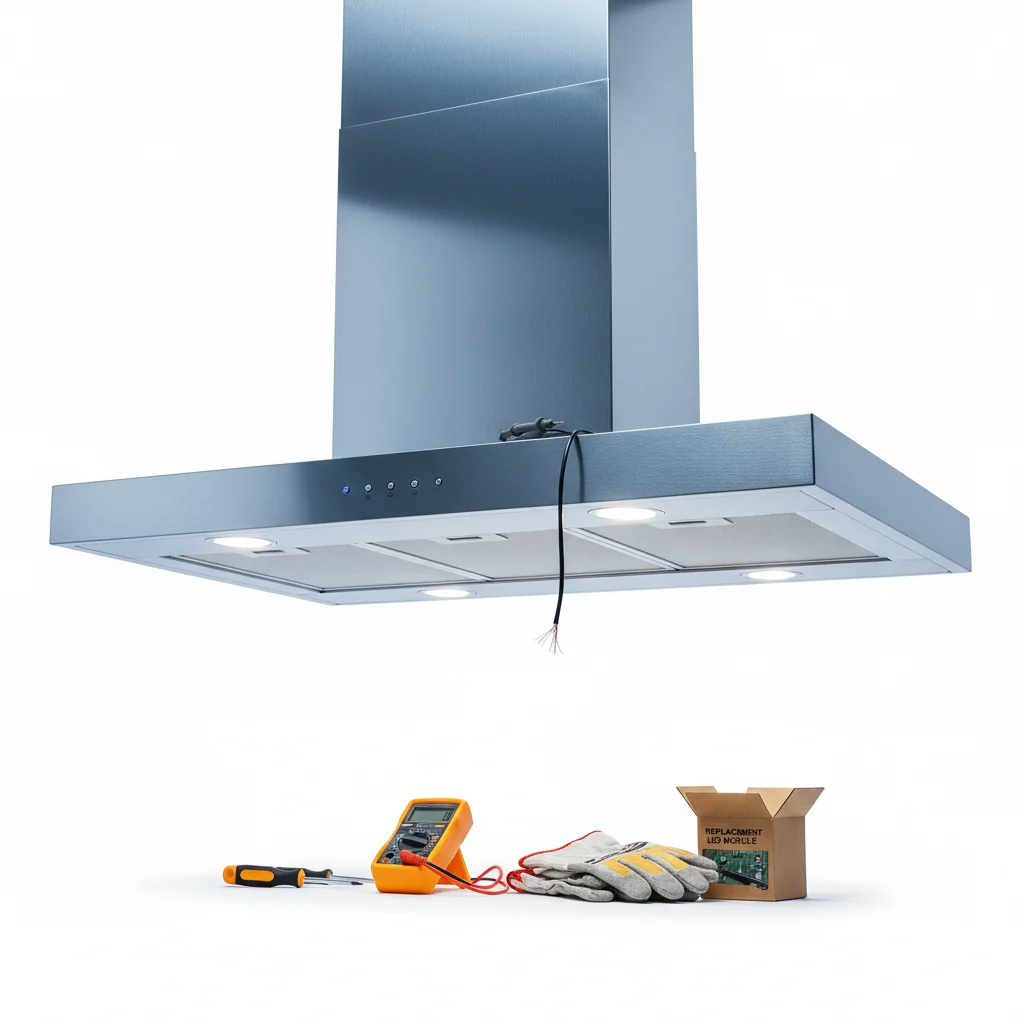
If your range hood light isn’t working, don’t immediately assume the worst. There are 7 common reasons why your range hood light might be malfunctioning, ranging from simple bulb issues to more complex wiring problems. Addressing these systematically can help you quickly diagnose and fix the issue, restoring proper illumination to your cooking area.
Checking the Light Bulb and Socket
The most frequent culprit for a non-working range hood light is a burnt-out bulb. Begin by turning off the power to the range hood at the circuit breaker for safety. Carefully remove the existing bulb and inspect it for any visible signs of damage, such as a broken filament or darkened glass. If it’s an incandescent or halogen bulb, a new replacement is often all that’s needed. For LED lights, ensure the bulb is securely screwed in or properly seated in its socket. Sometimes, the socket itself can accumulate grease or debris, preventing a good electrical connection. Gently clean the socket with a dry cloth or a cotton swab dipped in rubbing alcohol, ensuring it’s completely dry before reinserting a bulb and restoring power.
Power Supply and Circuit Breaker Issues
Before delving into the range hood’s internal components, verify that the unit is receiving power. Check your home’s electrical panel for a tripped circuit breaker corresponding to your kitchen or range hood. If it’s tripped, reset it. If it immediately trips again, there might be a short circuit, and professional help is recommended. Also, ensure the range hood is properly plugged into its outlet, if applicable, or that its hardwired connection is secure. A loose connection can interrupt the power flow to the lights and other functions.
Inspecting the Light Switch
|
Our Picks for the Best Range Hood in 2026
As an Amazon Associate I earn from qualifying purchases.
|
||
| Num | Product | Action |
|---|---|---|
| 1 | AMZCHEF Under Cabinet Range Hood 30 Inch, 750CFM Stainless Steel Kitchen Stove Vent Hood 3 Speed Exhaust Fan Touch/Remote/Gesture Control LED lights Time Setting Dishwasher-Safe Baffle Filters |

|
| 2 | COSMO COS-5MU30 30 in. Delta Collection Ducted Under Cabinet Range Hood, Button Controls, Reusable Filters, LED Lights, Stainless Steel |
|
| 3 | Empava Wall Mount Range Hood 30 Inch, Ducted/Ductless Kitchen Exhaust Stove Vent with Modern Style, 400CFM, 3-Speed, Touch Control, Timer, LED Lights, Stainless Steel (Charcoal-Filter Sold Separately) |
|
| 4 | VIKIO HOME Wall Mount Range Hood 30 inch, 580 CFM, Ducted/Ductless Convertible, Stainless Steel Kitchen Vent Hood with 3-Speed Fan and LED Lights |
|
| 5 | AAOBOSI Range Hood 30 inch Under Cabinet,800-CFM Gesture Sensing/Touch Control/Motor Upgrade Low Noise,3 Speed Range Hood with LED Lights Exhaust Fan, Stainless Steel Kitchen Vent Hood |
|
| 6 | Empava Ductless/Ducted Range Hood Under Cabinet 30 Inch, Touch Control, 300 CFM Plug in, Stainless Steel |
|
| 7 | Broan-NuTone BCSQ130SS Three-Speed Glacier Under-Cabinet Range Hood with LED Lights ADA Capable, 1.5 Sones, 375 Max Blower CFM, 30-Inch, Stainless Steel |
|
| 8 | Wall Mount Range Hood 30 inch with Ducted/Ductless Convertible Duct, Stainless Steel Chimney-Style Over Stove Vent Hood with LED Light, 3 Speed Exhaust Fan, 450 CFM |
|
| 9 | COSMO COS-63175S 30 in. Vista Collection 380 CFM Ducted Wall Mount Range Hood, Touch Controls, LED Lights, Stainless Steel |
|
| 10 | Range Hood 30inch Under Cabinet, 900CFM Stainless Steel Kitchen Vent Hood with Gesture/Touch Control and Permanent Stainless Steel Filters, Ducted Vent, Top and Rear Vents |
|
The light switch on your range hood can wear out over time or become faulty. With the power off, you can visually inspect the switch for any obvious damage or loose wiring. If you have a multimeter, you can test the switch for continuity when it’s in the ‘on’ position. A lack of continuity indicates a faulty switch that will need to be replaced. This is a relatively straightforward repair for someone comfortable with basic electrical work, but always prioritize safety by disconnecting power first.
Wiring Connections and Fuses
Inside the range hood, there are various wiring connections that can become loose or corroded, especially in a greasy kitchen environment. After ensuring the power is off, carefully open the range hood’s housing (refer to your owner’s manual for specific instructions) and inspect the wiring leading to the light assembly. Look for any frayed wires, loose terminals, or signs of burning. Some range hoods also have an internal fuse specifically for the light circuit. If present, check this fuse and replace it if it’s blown. Always replace fuses with one of the exact same amperage rating.
Transformer or Ballast Malfunction
Many modern range hoods, particularly those with LED or halogen lights, utilize a transformer or ballast to regulate the voltage. If the bulb and switch are fine, but the light still isn’t working, the transformer or ballast could be the issue. These components can fail due to age or power surges. Replacing a transformer or ballast is a more involved repair and often requires sourcing a specific part from the range hood manufacturer. If you’re unsure, consulting a qualified appliance technician is advisable.
Common Causes for Range Hood Light Failure
- Burnt-out or loose light bulb
- Tripped circuit breaker
- Faulty light switch
- Loose or corroded wiring connections
- Blown internal fuse
When to Call a Professional
While many range hood light issues can be resolved with basic troubleshooting, there are times when professional assistance is necessary. If you’ve checked all the common culprits and the light still isn’t working, or if you’re uncomfortable working with electrical components, it’s best to call a qualified electrician or appliance repair technician. They have the tools and expertise to safely diagnose and repair more complex electrical problems, ensuring your range hood operates safely and effectively.
