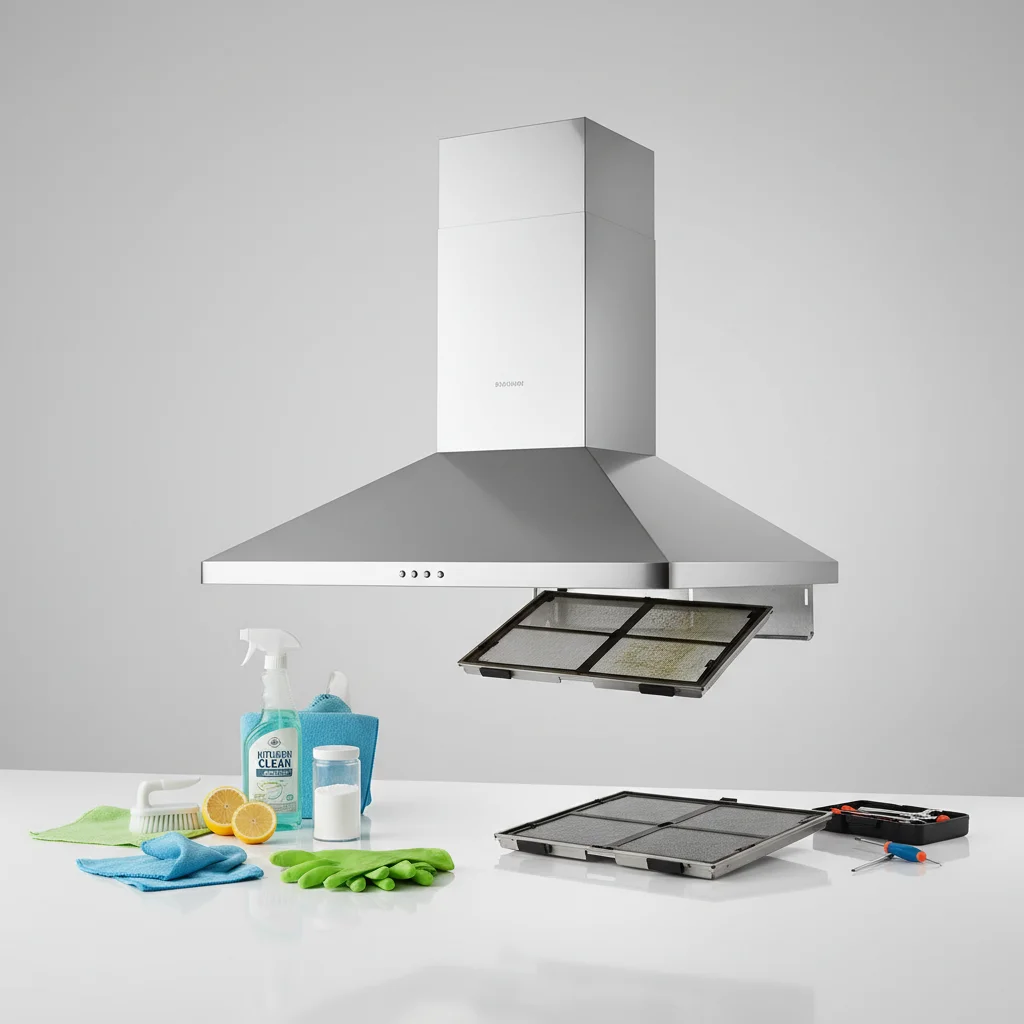
Maintaining your range hood regularly is crucial for its longevity and efficient operation. You should service your range hood at least once every six months, with more frequent checks for heavy users. This routine includes cleaning filters, inspecting the fan, and checking for any blockages in the ductwork. Consistent maintenance prevents grease buildup, ensures proper ventilation, and extends the life of your appliance.
Why Regular Range Hood Maintenance Matters
Regular maintenance of your range hood is not just about cleanliness; it’s about safety and efficiency. A well-maintained range hood effectively removes smoke, steam, and cooking odors, preventing them from spreading throughout your home. Neglecting maintenance can lead to grease accumulation, which poses a fire hazard and reduces the hood’s ability to ventilate properly. Over time, a dirty range hood can also become less energy-efficient, costing you more in electricity.
Key Components to Inspect During Service
When performing range hood maintenance, several key components require your attention. The filters are perhaps the most critical, as they trap grease and airborne particles. The fan motor and blades should also be checked for any debris or signs of wear. Additionally, inspect the ductwork for blockages or leaks, which can significantly impair performance. Don’t forget to check the lighting system and control panel for proper functionality.
- Clean or replace grease filters regularly (monthly for heavy use, quarterly for light use).
- Inspect fan blades for grease buildup and clean as needed.
- Check ductwork for obstructions or damage.
- Test the range hood lights and replace bulbs if necessary.
- Wipe down the exterior surfaces to prevent grime accumulation.
Step-by-Step Guide to Range Hood Cleaning
|
Our Picks for the Best Range Hood in 2026
As an Amazon Associate I earn from qualifying purchases.
|
||
| Num | Product | Action |
|---|---|---|
| 1 | Range Hood 30inch Under Cabinet, 900CFM Stainless Steel Kitchen Vent Hood with Gesture/Touch Control and Permanent Stainless Steel Filters, Ducted Vent, Top and Rear Vents |

|
| 2 | COSMO COS-5MU30 30 in. Delta Collection Ducted Under Cabinet Range Hood, Button Controls, Reusable Filters, LED Lights, Stainless Steel |
|
| 3 | Empava Ductless/Ducted Range Hood Under Cabinet 30 Inch, Touch Control, 300 CFM Plug in, Stainless Steel |
|
| 4 | VIKIO HOME Wall Mount Range Hood 30 inch, 580 CFM, Ducted/Ductless Convertible, Stainless Steel Kitchen Vent Hood with 3-Speed Fan and LED Lights |
|
| 5 | Wall Mount Range Hood 30 inch with Ducted/Ductless Convertible Duct, Stainless Steel Chimney-Style Over Stove Vent Hood with LED Light, 3 Speed Exhaust Fan, 450 CFM |
|
| 6 | Broan-NuTone BCSQ130SS Three-Speed Glacier Under-Cabinet Range Hood with LED Lights ADA Capable, 1.5 Sones, 375 Max Blower CFM, 30-Inch, Stainless Steel |
|
| 7 | AMZCHEF Under Cabinet Range Hood 30 Inch, 750CFM Stainless Steel Kitchen Stove Vent Hood 3 Speed Exhaust Fan Touch/Remote/Gesture Control LED lights Time Setting Dishwasher-Safe Baffle Filters |
|
| 8 | COSMO COS-63175S 30 in. Vista Collection 380 CFM Ducted Wall Mount Range Hood, Touch Controls, LED Lights, Stainless Steel |
|
| 9 | Empava Wall Mount Range Hood 30 Inch, Ducted/Ductless Kitchen Exhaust Stove Vent with Modern Style, 400CFM, 3-Speed, Touch Control, Timer, LED Lights, Stainless Steel (Charcoal-Filter Sold Separately) |
|
| 10 | AAOBOSI Range Hood 30 inch Under Cabinet,800-CFM Gesture Sensing/Touch Control/Motor Upgrade Low Noise,3 Speed Range Hood with LED Lights Exhaust Fan, Stainless Steel Kitchen Vent Hood |
|
Cleaning your range hood involves a few straightforward steps. First, always disconnect power to the unit for safety. Remove the grease filters and clean them according to the manufacturer’s instructions, typically with hot soapy water or in a dishwasher. For the fan blades, use a degreaser and a brush to remove stubborn grease. Wipe down the interior and exterior surfaces with a mild cleaner. Reassemble the components only after they are completely dry.
Troubleshooting Common Maintenance Issues
During your maintenance routine, you might encounter common issues such as reduced suction, unusual noises, or non-functioning lights. Reduced suction often points to clogged filters or a blocked duct. Unusual noises can indicate a problem with the fan motor or loose components. For lighting issues, check the bulbs and their connections. Addressing these problems promptly can prevent more significant repairs down the line. If you’re unsure about any repair, it’s always best to consult a professional.
When to Call a Professional for Service
While many maintenance tasks can be handled by a homeowner, some situations warrant professional intervention. If you notice persistent electrical issues, significant damage to the ductwork, or if the fan motor is making grinding noises, it’s time to call a qualified technician. Professionals have the tools and expertise to diagnose and repair complex problems safely and effectively, ensuring your range hood operates at its best.

I used to just wipe down my range hood when it looked dirty, but I never really thought about the internal maintenance. After reading about how important it is to clean the filters every six months, I finally took mine out and gave them a good scrub. The difference in airflow is amazing! My kitchen smells so much better after cooking now.
I appreciate the advice on regular maintenance, but I wish there were more specific tips for different types of range hoods. My unit is a bit older and has some tricky parts to get to. I tried to inspect the fan as suggested, but it was a real struggle. Maybe a video tutorial would be helpful for those of us who aren’t super handy.
This was a good reminder about checking the ductwork. I’ve been pretty good about cleaning the filters, but I hadn’t considered blockages in the ducts. It’s definitely something I’ll add to my routine now, especially since we do a lot of frying and stir-frying, which can really gunk things up. Better safe than sorry when it comes to fire hazards.
I’m a heavy user in the kitchen, so the recommendation for more frequent checks really resonated with me. I used to notice a lot of steam lingering after cooking, but since I started cleaning my filters monthly instead of just every few months, it’s made a huge difference. It’s definitely worth the extra effort to keep things running efficiently and prevent grease buildup.