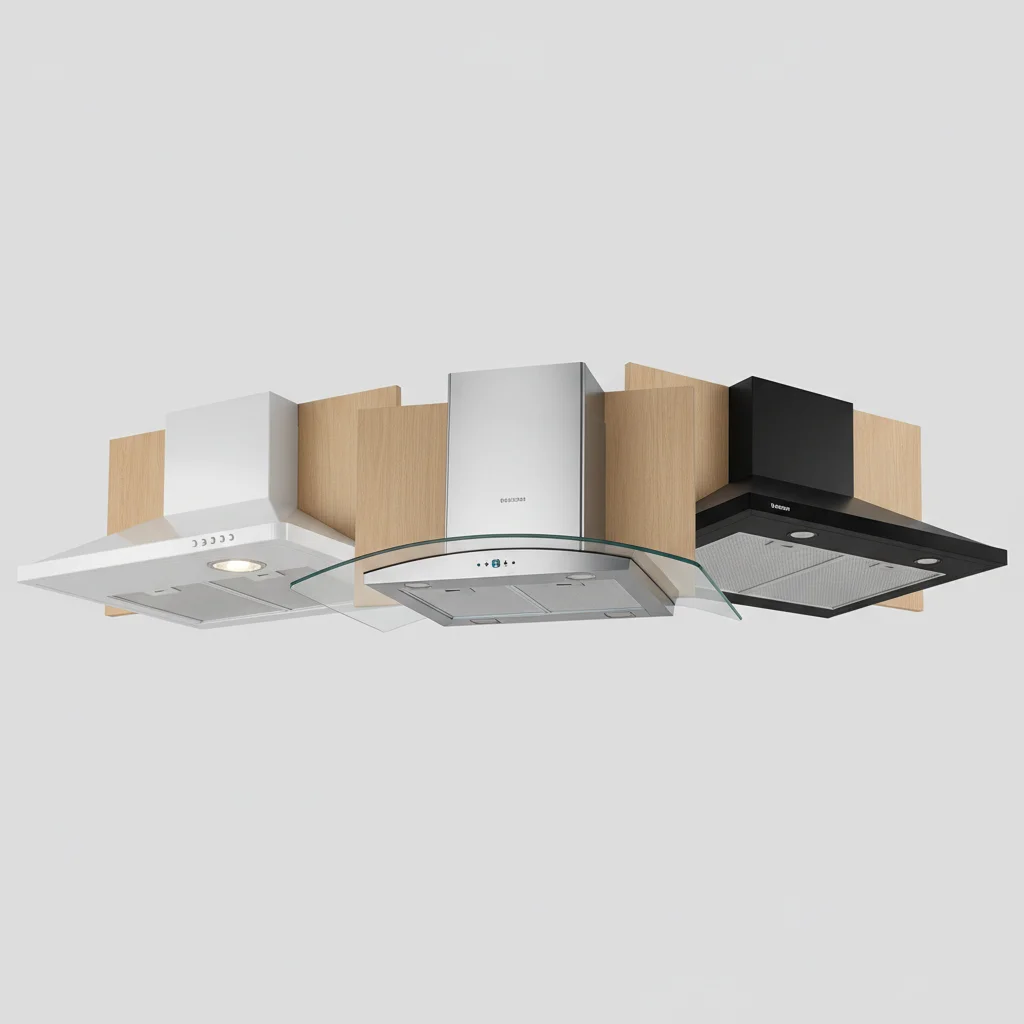
Under cabinet range hoods are a popular choice for many kitchens, offering a discreet and efficient ventilation solution. They are particularly well-suited for kitchens where space is at a premium or a seamless aesthetic is desired. Approximately 60% of new kitchen remodels in urban areas are now considering or installing an under cabinet model due to their compact design and effective fume extraction.
Understanding Under Cabinet Range Hood Design
Under cabinet range hoods are designed to fit directly beneath your kitchen cabinetry, integrating smoothly into your kitchen’s design. This placement saves valuable wall space and often allows for additional storage above the hood. They typically come in ducted or ductless configurations, with ducted models offering superior air purification by expelling smoke and odors outside, while ductless models filter and recirculate the air.
The compact nature of these hoods doesn’t compromise on power. Many models offer robust CFM (Cubic Feet per Minute) ratings, capable of handling the demands of various cooking styles, from light simmering to high-heat searing. Material choices often include stainless steel, which is durable and easy to clean, complementing most kitchen decors.
Key Benefits of Under Cabinet Installation
One of the primary advantages of under cabinet range hoods is their space-saving design. They free up wall space that might otherwise be occupied by a bulkier wall-mount hood, making them ideal for smaller kitchens or those with extensive cabinetry. Their integrated look also contributes to a cleaner, more streamlined kitchen aesthetic, which is highly valued in modern home design.
Installation can be relatively straightforward for DIY enthusiasts, though professional installation is always recommended for optimal performance and safety. The direct venting path in ducted models, often straight up through the cabinet and ceiling, can be more efficient than longer, more convoluted duct runs.
Factors to Consider Before Purchasing
Before committing to an under cabinet range hood, several factors warrant consideration. First, assess your cooking habits: if you frequently cook with high heat or strong odors, a ducted model with a higher CFM will be essential. Second, measure your cabinet space precisely to ensure a proper fit; standard widths are 30, 36, and 42 inches, but always double-check.
Noise level is another important aspect. While many modern under cabinet hoods are designed for quiet operation, checking the decibel rating (dB) is advisable. Finally, consider the type of lighting provided; LED lights are energy-efficient and offer excellent illumination for your cooking surface.
- Measure cabinet width and depth accurately for a perfect fit.
- Determine if a ducted or ductless system is best for your kitchen layout and cooking needs.
- Compare CFM ratings to ensure adequate ventilation for your cooking style.
- Review noise levels (dB) to find a model that operates quietly.
- Check lighting type and brightness for optimal cooktop visibility.
Maintenance and Longevity
|
Our Picks for the Best Range Hood in 2026
As an Amazon Associate I earn from qualifying purchases.
|
||
| Num | Product | Action |
|---|---|---|
| 1 | AAOBOSI Range Hood 30 inch Under Cabinet,800-CFM Gesture Sensing/Touch Control/Motor Upgrade Low Noise,3 Speed Range Hood with LED Lights Exhaust Fan, Stainless Steel Kitchen Vent Hood |

|
| 2 | COSMO COS-63175S 30 in. Vista Collection 380 CFM Ducted Wall Mount Range Hood, Touch Controls, LED Lights, Stainless Steel |
|
| 3 | Empava Ductless/Ducted Range Hood Under Cabinet 30 Inch, Touch Control, 300 CFM Plug in, Stainless Steel |
|
| 4 | VIKIO HOME Wall Mount Range Hood 30 inch, 580 CFM, Ducted/Ductless Convertible, Stainless Steel Kitchen Vent Hood with 3-Speed Fan and LED Lights |
|
| 5 | AMZCHEF Under Cabinet Range Hood 30 Inch, 750CFM Stainless Steel Kitchen Stove Vent Hood 3 Speed Exhaust Fan Touch/Remote/Gesture Control LED lights Time Setting Dishwasher-Safe Baffle Filters |
|
| 6 | Wall Mount Range Hood 30 inch with Ducted/Ductless Convertible Duct, Stainless Steel Chimney-Style Over Stove Vent Hood with LED Light, 3 Speed Exhaust Fan, 450 CFM |
|
| 7 | COSMO COS-5MU30 30 in. Delta Collection Ducted Under Cabinet Range Hood, Button Controls, Reusable Filters, LED Lights, Stainless Steel |
|
| 8 | Range Hood 30inch Under Cabinet, 900CFM Stainless Steel Kitchen Vent Hood with Gesture/Touch Control and Permanent Stainless Steel Filters, Ducted Vent, Top and Rear Vents |
|
| 9 | Empava Wall Mount Range Hood 30 Inch, Ducted/Ductless Kitchen Exhaust Stove Vent with Modern Style, 400CFM, 3-Speed, Touch Control, Timer, LED Lights, Stainless Steel (Charcoal-Filter Sold Separately) |
|
| 10 | Broan-NuTone BCSQ130SS Three-Speed Glacier Under-Cabinet Range Hood with LED Lights ADA Capable, 1.5 Sones, 375 Max Blower CFM, 30-Inch, Stainless Steel |
|
Maintaining an under cabinet range hood is crucial for its longevity and performance. Regular cleaning of the filters is paramount. For baffle filters, a simple wash in the dishwasher or with warm soapy water is usually sufficient. Charcoal filters in ductless models need to be replaced periodically, typically every 3-6 months depending on usage.
Wiping down the exterior with a non-abrasive cleaner will keep the finish looking new and prevent grease buildup. Addressing any issues like unusual noises or diminished suction promptly can prevent minor problems from escalating into costly repairs. Proper maintenance ensures your hood continues to effectively remove smoke, steam, and odors for many years.
Top Features to Look For
When selecting an under cabinet range hood, look for features that enhance both functionality and user experience. Touch controls offer a sleek look and are easy to clean, while remote controls provide convenience. Dishwasher-safe baffle filters simplify maintenance, and multiple fan speeds allow for precise control over ventilation.
Consider models with heat sensors that automatically adjust fan speed based on the amount of heat detected, providing optimal ventilation without manual intervention. Bright, energy-efficient LED lighting is also a significant advantage, illuminating your cooking area effectively.Many premium models also include delayed shut-off timers, which allow the fan to continue running for a set period after cooking to ensure all lingering odors are removed.
Installation Considerations and Tips
Installing an under cabinet range hood requires careful planning. Ensure you have access to an electrical outlet within the cabinet space or are prepared to run new wiring. For ducted models, the ductwork must be properly sized and sealed to prevent air leaks and maximize efficiency. It’s often beneficial to use rigid metal ducting over flexible options for better airflow and reduced noise.
Always consult the manufacturer’s installation manual for specific instructions and safety guidelines. If you’re not comfortable with electrical work or ducting, hiring a qualified professional is a wise investment to ensure a safe and effective installation.Proper installation is key to the hood’s performance and your kitchen’s air quality.
