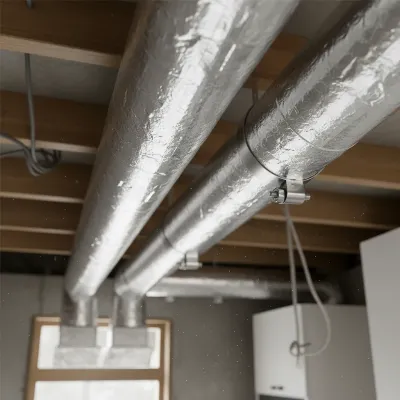
Open-plan kitchens are the heart of modern homes, offering a seamless flow between cooking, dining, and living spaces. While aesthetically pleasing, this design presents a unique challenge for ventilation: how do you effectively remove smoke, steam, and odors without a wall to contain them? The answer lies in the sophisticated design and powerful performance of an island range hood. More than just a functional appliance, an island range hood serves as a striking centerpiece, blending innovative technology with elegant aesthetics to maintain pristine air quality and elevate your culinary environment. This comprehensive guide will explore the various types, crucial buying factors, top models for 2026, and essential maintenance tips to help you select the perfect island range hood for your open kitchen.
Understanding Island Range Hoods for Open Kitchens
An island range hood, also known as a ceiling-mounted hood, is specifically designed for cooktops located on a kitchen island, suspended directly from the ceiling. Unlike wall-mounted units that benefit from adjacent wall support, island hoods operate in a 360-degree open environment, requiring greater power and careful consideration to effectively capture cooking byproducts.
Advantages of Island Range Hoods:
- Aesthetic Appeal: Island hoods are often the focal point of an open kitchen, adding a touch of modern sophistication and architectural interest.
- 360° Ventilation: Engineered to capture smoke, steam, and odors from all sides, they are highly effective for island cooktops.
- Enhanced Airflow: These hoods typically feature powerful motors, ensuring superior suction and maintaining excellent air quality.
- Improved Lighting: Many models include built-in LED lighting, illuminating your cooking surface for better visibility and creating an inviting ambiance.
- Increased Property Value: As a high-end fixture, a well-chosen island range hood can contribute positively to your home’s market value.
Considerations for Island Range Hoods:
- Cost: Island range hoods tend to be more expensive than wall-mounted models due to their complexity and design.
- Installation: Installation is often more intricate, frequently requiring professional assistance and structural modifications to the ceiling for secure mounting and ductwork.
- Ceiling Height: Sufficient ceiling height is necessary, as the hood must be suspended at an optimal distance above the cooktop for efficiency and safety.
|
Our Picks for the Best Range Hood in 2026
As an Amazon Associate I earn from qualifying purchases.
|
||
| Num | Product | Action |
|---|---|---|
| 1 | COSMO COS-63175S 30 in. Vista Collection 380 CFM Ducted Wall Mount Range Hood, Touch Controls, LED Lights, Stainless Steel |

|
| 2 | VIKIO HOME Wall Mount Range Hood 30 inch, 580 CFM, Ducted/Ductless Convertible, Stainless Steel Kitchen Vent Hood with 3-Speed Fan and LED Lights |
|
| 3 | Broan-NuTone BCSQ130SS Three-Speed Glacier Under-Cabinet Range Hood with LED Lights ADA Capable, 1.5 Sones, 375 Max Blower CFM, 30-Inch, Stainless Steel |
|
| 4 | Wall Mount Range Hood 30 inch with Ducted/Ductless Convertible Duct, Stainless Steel Chimney-Style Over Stove Vent Hood with LED Light, 3 Speed Exhaust Fan, 450 CFM |
|
| 5 | AAOBOSI Range Hood 30 inch Under Cabinet,800-CFM Gesture Sensing/Touch Control/Motor Upgrade Low Noise,3 Speed Range Hood with LED Lights Exhaust Fan, Stainless Steel Kitchen Vent Hood |
|
| 6 | Empava Ductless/Ducted Range Hood Under Cabinet 30 Inch, Touch Control, 300 CFM Plug in, Stainless Steel |
|
| 7 | COSMO COS-5MU30 30 in. Delta Collection Ducted Under Cabinet Range Hood, Button Controls, Reusable Filters, LED Lights, Stainless Steel |
|
| 8 | Empava Wall Mount Range Hood 30 Inch, Ducted/Ductless Kitchen Exhaust Stove Vent with Modern Style, 400CFM, 3-Speed, Touch Control, Timer, LED Lights, Stainless Steel (Charcoal-Filter Sold Separately) |
|
| 9 | Range Hood 30inch Under Cabinet, 900CFM Stainless Steel Kitchen Vent Hood with Gesture/Touch Control and Permanent Stainless Steel Filters, Ducted Vent, Top and Rear Vents |
|
| 10 | AMZCHEF Under Cabinet Range Hood 30 Inch, 750CFM Stainless Steel Kitchen Stove Vent Hood 3 Speed Exhaust Fan Touch/Remote/Gesture Control LED lights Time Setting Dishwasher-Safe Baffle Filters |
|
Types of Island Range Hoods
Understanding the ventilation method is crucial when choosing an island range hood for your open kitchen.
Ducted (Vented) Island Range Hoods:
These hoods are the most effective for ventilation, routing cooking air directly outside your home through a system of ductwork in the ceiling.
- Pros: Maximum efficiency in removing smoke, grease, heat, and odors; generally quieter at higher fan speeds; provides the best indoor air quality.
- Cons: Requires permanent ductwork installation, which can be more complex and costly; may not be feasible in all building structures.
Ductless (Recirculating) Island Range Hoods:
Ideal where external venting is not possible, these hoods filter cooking air through activated charcoal or carbon filters to remove odors and grease, then recirculate the cleaned air back into the kitchen.
- Pros: Easier and more flexible installation as no external ductwork is needed; suitable for apartments or homes with installation restrictions.
- Cons: Less effective at removing heat and all airborne contaminants compared to ducted systems; charcoal filters require regular replacement (typically every 3-12 months); may struggle to maintain optimal air quality during heavy cooking in large, open spaces.
Convertible Island Range Hoods:
Offering the best of both worlds, convertible models can be installed as either ducted or ductless, providing flexibility depending on your home’s structure and ventilation needs. This versatility makes them a popular choice for many homeowners.
How to Choose the Perfect Island Range Hood
Selecting the right island range hood involves balancing performance, aesthetics, and practical considerations.
CFM (Cubic Feet per Minute) Rating:
The CFM rating measures the volume of air your range hood can move per minute. For island range hoods in open kitchens, higher CFM is often required due to the lack of surrounding walls to contain cooking plumes and potential cross-drafts. As a general guideline, aim for approximately 150 CFM for every 12 inches of stove width. For instance, a 36-inch cooktop would ideally need at least 450 CFM. Heavy cooking styles, particularly those involving frequent frying or strong aromas, may demand significantly higher CFM ratings, sometimes exceeding 1000 CFM or even 1400 m³/hr for Asian cooking styles.
Size and Coverage:
The range hood should be at least as wide as your cooktop, and ideally, slightly wider, to create an effective “capture zone.” Common widths range from 30 to 60 inches. When determining size, consider your cooktop dimensions, the overall kitchen size, and your ceiling height to ensure proper coverage and aesthetic balance.
Noise Level (Sones/dB):
In an open-plan kitchen, a noisy range hood can be highly disruptive. Look for models with low sone ratings or decibel levels, especially at lower fan speeds. Quieter hoods typically operate under 5 sones or around 54-55dB on low settings. Advanced technologies like BLDC Inverter Motors are designed to provide powerful suction while maintaining a whisper-quiet operation.
Control Options:
Modern island range hoods offer a variety of user-friendly control interfaces.
- Touch Controls: Sleek and easy to clean, often integrated into a glass panel.
- Gesture Control: Allows you to operate the hood with a simple wave of your hand, ideal when your hands are messy.
- Remote Control: Offers convenience, letting you adjust settings from across the kitchen.
- Fan Speeds: Most models offer at least three fan speeds, allowing you to tailor ventilation to different cooking intensities.
Lighting:
Effective lighting is crucial for visibility over your cooktop. Many island range hoods feature bright, energy-efficient LED lights that illuminate the cooking area and can also serve as ambient kitchen lighting.
Filter Type and Maintenance:
The type of filters impacts both performance and maintenance.
- Metal (Baffle) Filters: Typically made of stainless steel or aluminum, these are highly effective at trapping grease. They are washable, often dishwasher-safe, and designed for long-term use.
- Charcoal Filters: Used in ductless systems, these filters absorb odors. They are not washable and must be replaced periodically, usually every 3 to 12 months, depending on cooking frequency.
Material and Design:
An island range hood is a significant design element.
- Stainless Steel: A classic choice, known for its durability, timeless appeal, and ease of cleaning.
- Glass Canopy: Offers a sleek, contemporary look, often paired with stainless steel for a sophisticated aesthetic.
- Integrated Designs: Some models are designed to be minimally visible, blending seamlessly with the kitchen architecture.
Installation Requirements:
Professional installation is highly recommended for island range hoods. Key considerations include:
- Structural Support: The ceiling must have adequate load-bearing framework to safely support the hood’s weight.
- Mounting Height: For optimal performance and safety, the bottom edge of the hood should typically be installed 28-36 inches (with 32 inches being optimal) above the cooking surface. For outdoor kitchens with higher heat outputs, this range extends to 36-42 inches.
- Ductwork (for ducted models): Use rigid, smooth metal ductwork that is as short and straight as possible, with minimal bends, to ensure efficient airflow. Seal all joints with duct tape and include a backdraft damper.
Best Island Range Hoods for Open Kitchens 2026 – Top Picks
The market in 2026 offers a wide array of high-performing and stylish island range hoods. Here are some top models that stand out for their features and performance:
- FIREGAS 36-Inch Black Island Range Hood: A powerful and stylish choice with 700 CFM ventilation, convertible ducted/ductless options, three fan speeds, and advanced gesture, remote, and touch controls, complemented by bright LED lighting.
- Tiesay 30-Inch Island Range Hood: This 700 CFM model features dual-sided ventilation, convertible installation, three fan speeds, and versatile control options including touch, gesture, and remote, ensuring a smoke-free kitchen.
- COSMO COS-63ISS75 30 in. Lumin Collection Island Range Hood: Known for its sleek stainless steel elegance, 380 CFM, soft-touch controls, and bright LED lighting, making it an attractive and affordable option for many open kitchens.
- ZLINE Convertible Vent Island Mount Range Hood (KE2i): A highly recommended brand, the KE2i offers a robust 400 CFM with four speeds, LED lighting, and a durable stainless steel or black stainless finish. Available in various sizes from 30 to 48 inches, ZLINE is praised for its balance of performance, durability, and value.
- Best HBC1 Series 43″ Island Range Hood: For those needing exceptional power, this hood boasts a potent 1650 CFM internal blower, four electronic push-button speeds, and efficient LED lighting, ideal for heavy-duty cooking.
- Zephyr 36″ with Glass Canopy Island Range Hood: Combines a sleek stainless steel and glass design with a powerful 600 CFM internal blower, electronic touch controls, and effective LED lighting, making it a stunning visual statement.
- Wolf 45″ Glass Cooktop Island Hood: A premium option featuring a sophisticated glass design, 600 CFM, electronic touch controls, and convenient dishwasher-safe stainless steel filters for easy maintenance.
Table: Comparing Top Island Range Hoods (2026)
| Model | CFM | Control Type | Key Features | Material | Price Range (Approx.) |
|---|---|---|---|---|---|
| FIREGAS 36-Inch Black | 700 | Gesture, Remote, Touch | Ducted/Ductless, 3-speed, LED | Black Stainless Steel | N/A |
| Tiesay 30-Inch | 700 | Touch, Gesture, Remote | Dual-sided Ventilation, Convertible, 3-speed, LED | Stainless Steel | N/A |
| COSMO COS-63ISS75 30 in. | 380 | Soft Touch | LED, Economical choice | Stainless Steel | $350 – $500 |
| ZLINE KE2i (Island Mount) | 400 | N/A | 4-speed, LED, Durable, Multiple sizes | Stainless/Black SS | $675 – $800+ |
| Best HBC1 Series 43″ | 1650 | Electronic Push-button | Very High Power, 4-speed, LED | White/Stainless Steel | $2,000 – $2,500 |
| Zephyr 36″ Glass Canopy | 600 | Electronic Touch | Sleek Design, LED | Stainless Steel & Glass | $1,000 – $1,500 |
| Wolf 45″ Glass Cooktop | 600 | Electronic Touch | Dishwasher-Safe Filters, LED | Glass | $3,000 – $3,500 |
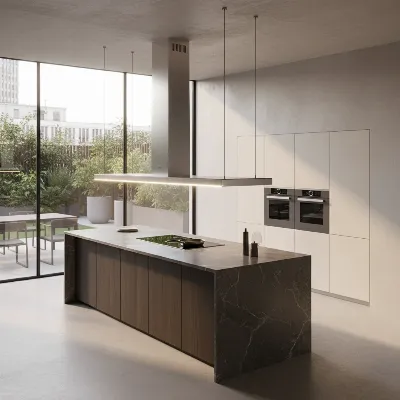 A sleek, minimalist island range hood illuminating a modern kitchen island with a cooktop
Maintenance Tips for Your Island Range Hood
Regular cleaning and maintenance are essential to ensure your island range hood performs efficiently and lasts for years.
Regular Cleaning Schedule:
- Exterior Wipe-down: Weekly or monthly, depending on use. Wipe the exterior with a soft cloth and a mild cleaner, warm soapy water, or a specialized stainless steel cleaner. For stainless steel, always wipe in the direction of the grain to prevent streaks. Avoid abrasive cleaners or scrubbing pads that can scratch the finish.
- Metal (Baffle) Filters: Clean these every 1-3 months, or more frequently if you cook heavily. Remove the filters and soak them in hot, soapy water with a degreasing agent or a bit of baking soda. Gently scrub, rinse, and allow to air dry completely. Many baffle filters are conveniently dishwasher-safe.
- Charcoal Filters (for ductless models): These filters are not washable and must be replaced every 3 to 12 months, depending on your cooking frequency. Always refer to your manufacturer’s instructions for specific replacement intervals.
- Fan Blades: Annually, turn off the power to the hood, remove the filters, and carefully wipe down the fan blades with a damp cloth to remove grease and debris.
- Ductwork (for ducted models): Consider an annual professional inspection and cleaning of your ductwork, especially if you notice significant grease buildup, to maintain optimal airflow and prevent blockages.
Maximizing Your Island Range Hood’s Efficiency
To get the best performance from your island range hood and maintain a fresh kitchen environment:
- Activate Before Cooking: Turn on your range hood a few minutes before you start cooking. This creates an airflow pattern that effectively captures smoke and odors as soon as they begin to rise.
- Adjust Fan Speed: Use the appropriate fan speed for your cooking activity. Lower settings are suitable for simmering, while higher speeds are needed for frying or high-heat cooking.
- Consistent Cleaning: Adhere to a regular cleaning schedule for filters and surfaces to prevent grease buildup, which can significantly reduce efficiency and increase noise.
- Replace Filters: For ductless models, replace charcoal filters promptly when due to ensure continued odor absorption.
- Consider Professional Assistance: For complex installations or annual duct cleaning, professional help ensures safety and optimal performance.
Common Issues and Troubleshooting
Even the best appliances can encounter occasional issues. Here are some common problems with island range hoods and how to address them:
- Range Hood Not Operating: First, check the power supply. Ensure the hood is plugged in or has a secure electrical connection, and check your circuit breaker for tripped circuits.
- Excessive Noise: A loud range hood can be caused by dirty or unbalanced fan blades due to grease buildup. Clean the fan blades thoroughly. If the noise persists, it might indicate a motor issue or an obstruction in the ductwork, which may require professional inspection.
- Weak Suction: This is often a sign of clogged filters. Clean or replace your filters regularly. Other causes could be dirty fan blades, improper ductwork installation (too long, too many bends, wrong size), or an insufficient CFM rating for your kitchen and cooking habits.
- Grease Leakage: Grease dripping from the hood typically indicates heavily saturated filters that need immediate cleaning or replacement. Ensure the grease cup (if applicable) is correctly positioned and emptied regularly.
Where to Buy Island Range Hoods
When purchasing an island range hood, consider both brick-and-mortar and online retailers.
- Appliance Retailers: Specialty appliance stores often have knowledgeable staff who can guide you through options and provide installation services.
- Home Improvement Stores: Large chains offer a wide selection of brands and models.
- Online Marketplaces/Manufacturer Websites: Provide convenience and competitive pricing. Always verify the seller’s reputation and warranty policies.
- Showrooms: If possible, visit a showroom to see models in person, evaluate materials, and assess noise levels, which can be crucial for an open kitchen.
Island Range Hood Price Guide
The price of island range hoods varies significantly based on brand, CFM power, features, materials, and design.
- Entry-Level (Under $500): You can find basic, functional models, often with lower CFM and fewer advanced features. Brands like Cosmo frequently offer good value in this segment.
- Mid-Range ($500 – $1,500): This segment provides a balance of performance, design, and features, including higher CFM, improved quietness, and more sophisticated controls. ZLINE and Zephyr often fall into this category.
- High-End ($1,500+): Premium models from brands like Best and Wolf offer powerful CFM, advanced smart features, superior build quality, and striking aesthetic designs, often with specialized finishes and ultra-quiet operation.
Island Range Hood Buying Guide: Your Checklist
To make an informed decision when investing in an island range hood for your open kitchen, follow this checklist:
- Calculate Your CFM Needs: Determine the minimum CFM required based on your cooktop size and cooking intensity. For island installations, factor in the extra power needed.
- Measure Your Space: Confirm the appropriate width of the hood relative to your cooktop and ensure your ceiling height allows for correct mounting (28-36 inches above the cooktop).
- Choose Your Ventilation Type: Decide between ducted, ductless, or convertible based on your home’s structure and preference for air quality versus installation flexibility.
- Prioritize Noise Level: For open kitchens, a quiet operation is paramount. Look for models with low sone ratings or positive reviews regarding noise.
- Evaluate Features and Controls: Consider the number of fan speeds, type of lighting (LED is standard), and desired control options (touch, gesture, remote).
- Select Material and Style: Choose a design that complements your kitchen’s aesthetic, whether it’s sleek stainless steel, a modern glass canopy, or a more integrated look.
- Plan for Installation: Budget for professional installation and confirm that your ceiling can accommodate the necessary structural support and ductwork.
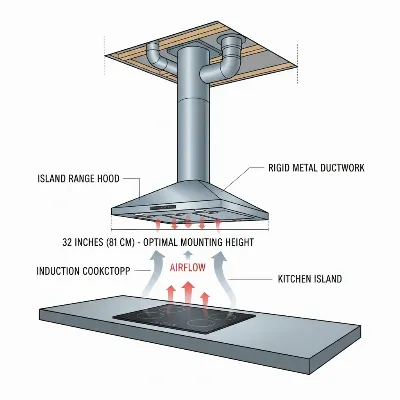 A clear diagram showing the correct installation height and ductwork for an island range hood
Conclusion
An island range hood is an indispensable appliance for any open kitchen, serving as both a powerful ventilation system and a sophisticated design statement. By carefully considering factors such as CFM, size, noise level, and ventilation type, you can select a model that perfectly balances performance with aesthetics. Regular maintenance, including cleaning filters and wiping down surfaces, will ensure your island range hood continues to operate efficiently, keeping your kitchen air fresh and clean for years to come. Elevate your culinary space with the perfect island range hood, transforming your kitchen into a truly enjoyable and healthy environment.
What island range hood feature is most important to your cooking style and why?
Frequently Asked Questions
How much CFM do I need for an island range hood?
For island range hoods, it’s generally recommended to have a minimum of 150 CFM for every 12 inches of cooktop width. Due to their open-air environment, island hoods often require 30-50% more power than wall-mounted units to effectively capture smoke and odors, with many installations requiring at least 600 CFM, and even higher for heavy cooking.
Are island range hoods difficult to install?
Yes, island range hoods are typically more complex to install than other types of range hoods. They require secure mounting to load-bearing ceiling joists and often involve intricate ductwork installations through the ceiling. Professional installation is highly recommended to ensure safety, proper structural support, and optimal ventilation performance.
How often should I clean island range hood filters?
The frequency depends on filter type and cooking habits. Metal (baffle) filters should be cleaned monthly, or even weekly with heavy cooking, and are often dishwasher-safe. Charcoal filters, used in ductless systems, are not washable and need to be replaced every 3 to 12 months for effective odor removal.
Can island range hoods be ductless?
Yes, island range hoods can be installed as ductless models. These hoods use activated charcoal filters to remove grease and odors before recirculating the air back into the kitchen. While offering installation flexibility, ductless systems are less effective at removing heat and all airborne contaminants compared to ducted systems and require regular filter replacement.
What is the ideal mounting height for an island range hood?
For indoor kitchens, the ideal mounting height for an island Range Hood is typically between 28 to 36 inches above the cooking surface, with 32 inches often being considered optimal for effective capture and user comfort. For outdoor kitchen installations, a higher clearance of 36 to 42 inches is usually recommended due to higher heat output from grills.