Discovering greasy drips from your range hood onto your perfectly simmering sauce or sizzling steak is not just an unpleasant surprise; it’s a clear signal that your kitchen’s ventilation system needs immediate attention. This common kitchen nuisance can turn an enjoyable cooking experience into a frustrating clean-up, and, more importantly, poses a potential fire hazard. But what exactly causes this unwelcome dripping, and how can you effectively put a stop to it? Understanding the root causes of grease buildup and implementing straightforward solutions can restore your range hood’s efficiency and maintain a clean, safe kitchen environment. This guide will walk you through the primary reasons behind a dripping range hood and provide five quick, actionable fixes to keep your kitchen spotless and functional.
Understanding Why Your Range Hood Drips Grease
A dripping range hood is typically a symptom of one or more underlying issues within its ventilation system. The primary function of a range hood is to capture smoke, steam, and airborne grease particles generated during cooking, preventing them from spreading throughout your home. However, when certain components become overloaded or neglected, this system can fail, leading to those irritating drips.
The most frequent culprit is saturated grease filters. These filters, whether baffle or mesh, are the first line of defense, designed to trap grease particles. Over time, as you cook, microscopic layers of oil accumulate, transforming into a thick, sticky sludge. Once these filters reach their maximum capacity, there’s no longer space for new grease to adhere, and gravity takes over, causing the oil to drip back down onto your stovetop.
Another common reason is the “cold metal” condensation effect. When hot steam and atomized oil from boiling water or high-heat frying rise into a cold range hood, the moisture rapidly condenses on the cooler metal surfaces of the hood body and internal ductwork. These water droplets then mix with any existing grease residue, creating a watery, oily mixture that drips.
Beyond these, a general lack of regular maintenance leads to overall grease buildup in various parts of the hood, including the interior housing, motor, and even the ductwork. If your specific model includes a grease cup or trap, neglecting to empty and clean it regularly can cause it to overflow, contributing to the dripping. Lastly, clogged or improperly sloped ductwork can prevent grease-laden air from escaping, causing the vapor to cool and liquefy, subsequently dripping back into your kitchen.
5 Quick Fixes to Stop Range Hood Grease Dripping
Addressing a dripping range hood doesn’t always require a professional. Often, a few simple maintenance steps can resolve the issue effectively.
1. Deep Clean Your Grease Filters
The most effective and immediate solution to grease dripping is to thoroughly clean your range hood’s grease filters. Since saturated filters are the number one cause, a deep clean will remove years of accumulated grease, allowing them to function properly again.
- Removal: Most filters can be easily removed by pulling a latch or sliding them out. Ensure the range hood is turned off before attempting removal.
- Soaking Method: Fill a sink or large tub with very hot water, add a generous amount of degreasing dish soap (like Dawn or Palmolive), and about a quarter cup of baking soda. Submerge the filters completely and let them soak for at least 15-30 minutes, or longer for heavily soiled filters.
- Scrubbing: Use a non-abrasive brush or sponge to gently scrub away any remaining grease and grime. The hot water, soap, and baking soda will have significantly loosened the buildup.
- Rinsing and Drying: Rinse the filters thoroughly with clean, hot water and allow them to air dry completely before reinstalling them. Ensure they are bone dry to prevent water damage or mold growth.
- Dishwasher Option: Many metal mesh or baffle filters are dishwasher safe. For an effortless clean, place them in your dishwasher and run a normal cycle with regular detergent. This can be surprisingly effective at blasting away baked-on grease without scrubbing.
|
Our Picks for the Best Range Hood in 2026
As an Amazon Associate I earn from qualifying purchases.
|
||
| Num | Product | Action |
|---|---|---|
| 1 | Wall Mount Range Hood 30 inch with Ducted/Ductless Convertible Duct, Stainless Steel Chimney-Style Over Stove Vent Hood with LED Light, 3 Speed Exhaust Fan, 450 CFM |

|
| 2 | Broan-NuTone BCSQ130SS Three-Speed Glacier Under-Cabinet Range Hood with LED Lights ADA Capable, 1.5 Sones, 375 Max Blower CFM, 30-Inch, Stainless Steel |
|
| 3 | COSMO COS-5MU30 30 in. Delta Collection Ducted Under Cabinet Range Hood, Button Controls, Reusable Filters, LED Lights, Stainless Steel |
|
| 4 | AMZCHEF Under Cabinet Range Hood 30 Inch, 750CFM Stainless Steel Kitchen Stove Vent Hood 3 Speed Exhaust Fan Touch/Remote/Gesture Control LED lights Time Setting Dishwasher-Safe Baffle Filters |
|
| 5 | Empava Wall Mount Range Hood 30 Inch, Ducted/Ductless Kitchen Exhaust Stove Vent with Modern Style, 400CFM, 3-Speed, Touch Control, Timer, LED Lights, Stainless Steel (Charcoal-Filter Sold Separately) |
|
| 6 | COSMO COS-63175S 30 in. Vista Collection 380 CFM Ducted Wall Mount Range Hood, Touch Controls, LED Lights, Stainless Steel |
|
| 7 | AAOBOSI Range Hood 30 inch Under Cabinet,800-CFM Gesture Sensing/Touch Control/Motor Upgrade Low Noise,3 Speed Range Hood with LED Lights Exhaust Fan, Stainless Steel Kitchen Vent Hood |
|
| 8 | VIKIO HOME Wall Mount Range Hood 30 inch, 580 CFM, Ducted/Ductless Convertible, Stainless Steel Kitchen Vent Hood with 3-Speed Fan and LED Lights |
|
| 9 | Range Hood 30inch Under Cabinet, 900CFM Stainless Steel Kitchen Vent Hood with Gesture/Touch Control and Permanent Stainless Steel Filters, Ducted Vent, Top and Rear Vents |
|
| 10 | Empava Ductless/Ducted Range Hood Under Cabinet 30 Inch, Touch Control, 300 CFM Plug in, Stainless Steel |
|
Regular cleaning, ideally every few weeks or monthly depending on your cooking habits, will prevent saturation and maintain optimal performance.
2. Regularly Empty and Clean the Grease Cup
If your range hood model features a grease cup or collection tray, it’s designed to catch excess grease before it can accumulate in other areas. However, this component can become a source of drips if neglected.
- Locate and Remove: Identify the grease cup (it’s usually a small, removable tray or channel located beneath the filters) and carefully detach it.
- Empty Contents: Dispose of the collected grease into the trash. Never pour it down the sink, as it can solidify and clog your pipes.
- Wash Thoroughly: Clean the grease cup with hot, soapy water and a degreasing agent. A sponge or brush can help remove stubborn residue. Ensure it’s completely clean and dry before reattaching.
Making this a part of your regular kitchen cleaning routine will prevent overflows and ensure your range hood continues to capture grease effectively.
3. Pre-warm Your Range Hood to Prevent Condensation
The “cold metal” condensation effect can be easily mitigated by adjusting your cooking habits slightly. By turning on your range hood a few minutes before you start cooking, you can prevent hot steam from condensing on cold surfaces.
- Activate Early: Switch on your range hood fan about 5 minutes before you begin to cook.
- Establish Airflow: This proactive step establishes a steady airflow, which helps warm up the metal filters and internal components to ambient room temperature.
- Reduce Condensation: By minimizing the temperature difference between the rising steam and the hood’s metal parts, you significantly reduce the chance of condensation forming and mixing with grease to cause drips.
This simple habit can make a big difference, especially when boiling water or frying at high temperatures.
4. Wipe Down the Hood Interior and Exterior
While filters and grease cups are primary collection points, grease can accumulate on the interior and exterior surfaces of your range hood. This often-overlooked buildup can eventually lead to drips, particularly from the edges or seams of the hood.
- Turn Off Power: Always turn off the power supply to your range hood at the circuit breaker before performing any internal cleaning to prevent accidental activation or electric shock.
- Degreasing Solution: Prepare a solution of warm water and a powerful kitchen degreaser. Alternatively, a paste of baking soda and water can be effective for tough spots.
- Wipe Surfaces: Using a soft cloth or sponge, thoroughly wipe down all accessible interior surfaces of the hood housing, paying close attention to crevices and seams. Don’t forget the exterior surfaces, which can also accumulate a greasy film.
- Rinse and Dry: Rinse the cloth and wipe down the surfaces again with clean water to remove any residue from the cleaning solution. Dry all surfaces completely to prevent water spots and rust.
- Safety First: Avoid using abrasive scrubbers or harsh chemicals that could damage the hood’s finish or internal components.
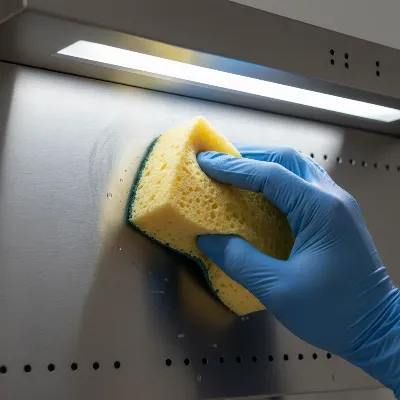 Clean range hood interior with a degreasing spray and sponge
5. Ensure Proper Fan Speed and Duct Maintenance
While not always a “quick fix,” ensuring your range hood is operating efficiently and that its ductwork is clear and correctly installed is crucial for long-term prevention of grease drips.
- Optimal Fan Speed: When cooking with high heat, oils, and fats, always use your range hood on a higher fan speed setting. This ensures maximum capture of grease-laden steam and smoke, pulling it away from your cooking surface before it can accumulate and drip.
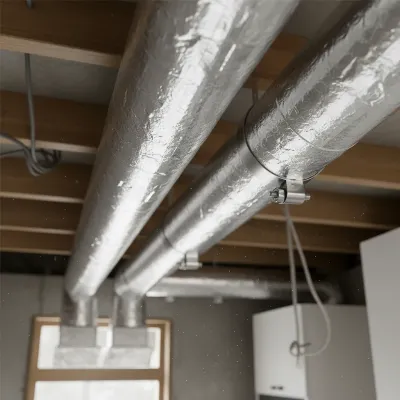
- Ductwork Inspection (Advanced): If drips persist despite regular cleaning, or if you notice reduced suction, the issue might lie in the ductwork. A clogged or improperly sloped exhaust duct can cause grease-heavy air to cool and condense into liquid oil, which then drips back. While cleaning internal ductwork often requires professional assistance, you can visually inspect the accessible parts for obvious blockages.
- Professional Cleaning: For persistent issues, especially in high-volume cooking environments, consider scheduling a professional cleaning service. Experts can inspect and clean the entire exhaust system, including hard-to-reach ducting and the motor housing, ensuring it’s free from heavy grease buildup and functioning optimally.
“Many homeowners overlook the importance of regular range hood maintenance, but a dirty hood isn’t just unsightly; it’s a significant fire risk. Consistent cleaning of filters and internal surfaces is the simplest way to prevent grease drips and keep your kitchen safe.” – Chef Elena Rodriguez, Culinary Institute Instructor
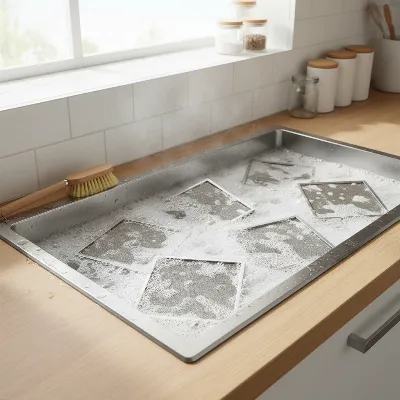 Grease filters soaking in a sink with soapy water and baking soda
Conclusion
A dripping range hood is more than just a minor inconvenience; it signals a need for attention that, when ignored, can compromise kitchen hygiene and safety. By understanding that saturated filters, condensation, and overall grease buildup are the primary culprits, you can effectively tackle the problem. Implementing these five quick fixes—deep cleaning your filters, regularly emptying the grease cup, pre-warming your hood, cleaning interior surfaces, and ensuring proper fan speed and duct maintenance—will not only stop those frustrating drips but also enhance your range hood’s efficiency and longevity. Consistent maintenance is key to a clean, safe, and pleasant cooking environment. When was the last time your range hood got a thorough clean?
Frequently Asked Questions
How often should I clean my range hood filters?
For most households, cleaning your range hood filters every three to four weeks is recommended, especially if you cook frequently or prepare greasy foods. If you rarely cook, you might extend this to every 2-3 months. Regular cleaning prevents grease from accumulating to the point of dripping.
Can a dripping range hood be a fire hazard?
Yes, absolutely. Accumulated grease is highly flammable. If a stovetop flare-up reaches saturated grease filters or heavy grease buildup inside the hood, it can ignite instantly, potentially spreading fire rapidly through the ductwork and into your home’s structure.
What kind of cleaner is best for range hood grease?
For everyday cleaning, a solution of hot water and a strong degreasing dish soap works wonders. For tougher buildup, a paste made of baking soda and water, or a commercial kitchen degreaser, can be highly effective. Always avoid abrasive cleaners or harsh chemicals like bleach, which can damage surfaces.
Is it normal for some water to drip from my range hood?
If the dripping liquid appears watery and oily, it’s likely condensation mixing with grease. This often happens when hot steam from cooking hits a cold range hood surface. Running your Range Hood for a few minutes before you start cooking can help warm the metal and prevent this.
What if my range hood is still dripping after cleaning everything?
If you’ve thoroughly cleaned the filters, grease cup, and interior, and the hood is still dripping, the issue might be deeper, possibly involving clogged or improperly installed ductwork, or a problem with the motor housing. In such cases, it’s best to consult a professional appliance technician or a kitchen exhaust system specialist.