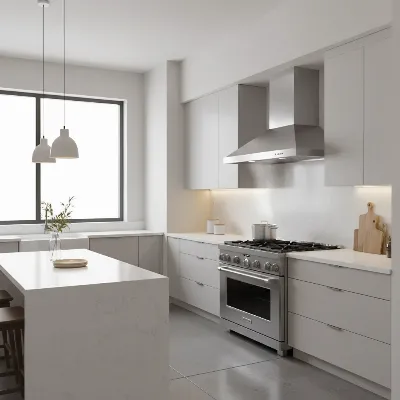
The heart of many homes beats with the warmth and power of a gas stove. Their instant heat, precise control, and robust performance make them a favorite for serious home cooks. Yet, this culinary advantage comes with a significant challenge: effective ventilation. Gas cooking generates more than just delicious aromas; it produces higher heat, combustion byproducts like carbon monoxide and nitrogen dioxide, and often denser smoke and grease plumes. Choosing the right range hood isn’t just about clearing the air; it’s about safeguarding your indoor air quality, protecting your kitchen surfaces, and ensuring the health and safety of your household. This comprehensive guide, informed by over a decade of hands-on experience with range hoods, will navigate you through the critical factors and top models to help you find the perfect heavy-duty ventilation solution for your gas stove in 2026.
Understanding Why Gas Stoves Demand Heavy-Duty Ventilation
Gas stoves operate by igniting fuel, a process that inherently releases a range of substances into your kitchen environment. Unlike electric cooktops, gas burners produce combustion gases such as carbon monoxide (CO), nitrogen dioxide (NO₂), formaldehyde, and other volatile organic compounds (VOCs), alongside fine particulate matter and significant volumes of water vapor. These byproducts, combined with the higher heat output and often denser smoke plumes from high-temperature gas cooking, can rapidly accumulate, negatively impacting indoor air quality and leaving greasy residues on surfaces. Without powerful and efficient ventilation, these pollutants can linger, recirculating throughout your home and potentially posing long-term health risks. This is precisely why a heavy-duty, properly ducted range hood is not merely a convenience for gas stove owners, but a fundamental and safety-critical appliance. Ducted systems, which vent air directly outdoors, are strongly recommended as they efficiently remove these harmful gases and excess moisture, a task recirculating (ductless) hoods with charcoal filters cannot fully achieve.
Essential Factors for Choosing Your Heavy-Duty Range Hood
Selecting a heavy-duty range hood for a gas stove requires careful consideration of several key specifications. Overlooking any of these can significantly compromise performance and your overall cooking experience.
CFM: The Power Behind the Performance
|
Our Picks for the Best Range Hood in 2026
As an Amazon Associate I earn from qualifying purchases.
|
||
| Num | Product | Action |
|---|---|---|
| 1 | AAOBOSI Range Hood 30 inch Under Cabinet,800-CFM Gesture Sensing/Touch Control/Motor Upgrade Low Noise,3 Speed Range Hood with LED Lights Exhaust Fan, Stainless Steel Kitchen Vent Hood |

|
| 2 | Wall Mount Range Hood 30 inch with Ducted/Ductless Convertible Duct, Stainless Steel Chimney-Style Over Stove Vent Hood with LED Light, 3 Speed Exhaust Fan, 450 CFM |
|
| 3 | COSMO COS-63175S 30 in. Vista Collection 380 CFM Ducted Wall Mount Range Hood, Touch Controls, LED Lights, Stainless Steel |
|
| 4 | Range Hood 30inch Under Cabinet, 900CFM Stainless Steel Kitchen Vent Hood with Gesture/Touch Control and Permanent Stainless Steel Filters, Ducted Vent, Top and Rear Vents |
|
| 5 | Broan-NuTone BCSQ130SS Three-Speed Glacier Under-Cabinet Range Hood with LED Lights ADA Capable, 1.5 Sones, 375 Max Blower CFM, 30-Inch, Stainless Steel |
|
| 6 | AMZCHEF Under Cabinet Range Hood 30 Inch, 750CFM Stainless Steel Kitchen Stove Vent Hood 3 Speed Exhaust Fan Touch/Remote/Gesture Control LED lights Time Setting Dishwasher-Safe Baffle Filters |
|
| 7 | Empava Ductless/Ducted Range Hood Under Cabinet 30 Inch, Touch Control, 300 CFM Plug in, Stainless Steel |
|
| 8 | Empava Wall Mount Range Hood 30 Inch, Ducted/Ductless Kitchen Exhaust Stove Vent with Modern Style, 400CFM, 3-Speed, Touch Control, Timer, LED Lights, Stainless Steel (Charcoal-Filter Sold Separately) |
|
| 9 | COSMO COS-5MU30 30 in. Delta Collection Ducted Under Cabinet Range Hood, Button Controls, Reusable Filters, LED Lights, Stainless Steel |
|
| 10 | VIKIO HOME Wall Mount Range Hood 30 inch, 580 CFM, Ducted/Ductless Convertible, Stainless Steel Kitchen Vent Hood with 3-Speed Fan and LED Lights |
|
CFM, or Cubic Feet per Minute, is arguably the most crucial specification for any range hood, especially for gas stoves. It quantifies the volume of air the exhaust fan can pull out of your kitchen each minute. A higher CFM rating directly translates to more powerful suction and faster removal of smoke, steam, heat, and airborne pollutants.
To determine the ideal CFM for your gas stove, a widely accepted guideline is to allow a minimum of 100 CFM for every 10,000 BTUs (British Thermal Units) of your gas range’s total output. For instance, if your gas range has a combined burner output of 70,000 BTUs, you would need a hood with at least 700 CFM. For serious home chefs who frequently engage in heavy cooking—such as frying, grilling, or wok cooking—or operate professional-style, high-BTU gas ranges, a range hood offering 700 CFM or even 900 CFM and above is often recommended for optimal performance. If your kitchen features an island cooktop, or if you cook intensely on a daily basis, adding an extra 200 to 300 CFM to your calculation can provide even better air clearance.
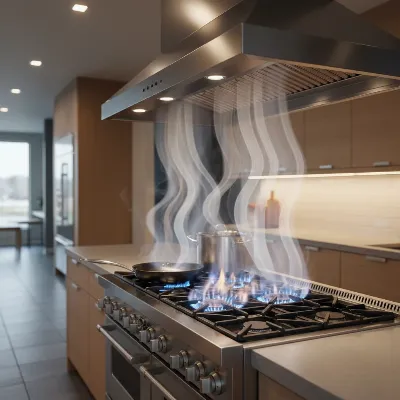 A powerful heavy-duty range hood operating above a gas stove with flames, illustrating strong suction and clean air.
Noise Level: Cooking in Peace
While power is paramount, no one wants a range hood that sounds like a jet engine during dinner preparation. The noise level of a range hood is measured in sones, and a lower sone rating indicates quieter operation. For a heavy-duty range hood, which inherently needs a powerful motor, finding a balance between high CFM and low noise is key.
Look for models that maintain a noise level under 5 sones, especially at their lower fan settings. At its lowest speed, a high-quality range hood should ideally operate around 40 sones, comparable to the hum of a refrigerator. This allows for comfortable conversation and a more pleasant cooking environment without compromising on ventilation effectiveness. Many leading brands now prioritize quiet operation, designing motors and fan blades to minimize noise even at higher settings.
Size and Placement: Optimal Capture
The physical dimensions and installation location of your range hood are critical for effective capture of cooking emissions. The hood must be appropriately sized and positioned to draw in all rising smoke, steam, and grease.
Firstly, the width of your range hood should be at least as wide as your gas cooktop. For larger, commercial-style gas ranges, an even wider hood, extending 3 to 6 inches beyond the cooktop on each side, is often preferred. This extra coverage ensures that lateral emissions, particularly those from front burners, are effectively captured.
Secondly, the mounting height is vital for both safety and performance. Most manufacturers recommend installing the bottom edge of the range hood between 24 and 36 inches above the gas cooktop. For wall-mounted hoods, a range of 24-30 inches is common, while island hoods may sit slightly higher, typically 30-36 inches. This height range balances effective smoke capture with sufficient clearance from open flames.
Finally, consider the depth of the hood; it should cover at least half, or ideally more, of your cooking surface to efficiently capture fumes from all burners.
Material and Filter Types: Durability and Efficiency
The construction material and filter type contribute significantly to a heavy-duty range hood’s durability, ease of maintenance, and long-term effectiveness.
For the demanding environment of a gas stove, stainless steel, particularly 304-grade stainless steel, is the preferred material. It offers exceptional corrosion resistance in humid kitchen conditions, high tolerance to heat fluctuations, and remarkable durability, standing up well to frequent cleaning. Some modern designs may also incorporate high-temperature tempered glass, tested for structural stability near open flames.
When it comes to filters, baffle filters are highly recommended for heavy-duty gas cooking. Their design—typically made of stainless steel interlocking panels—is engineered to capture grease effectively by forcing air to change direction, causing grease particles to condense and drip into a removable tray. Baffle filters are known for their efficiency in grease management, durability, and, importantly, are often dishwasher-safe, making cleaning a straightforward task. This ease of maintenance is crucial for ensuring consistent, powerful ventilation.
Advanced Features and Smart Technology
Modern heavy-duty range hoods go beyond basic ventilation, offering a suite of features that enhance convenience, efficiency, and the overall cooking experience.
Beyond multiple fan speeds (at least three are ideal for varying cooking intensities), look for bright, energy-efficient LED lighting that provides excellent illumination over your cooktop. Many contemporary models now incorporate smart features such as auto-sensing fans that automatically adjust suction power based on detected smoke or heat levels. Smart connectivity allows for control via a smartphone app, while motion activation or gesture control enables hands-free operation—a real convenience when your hands are full or messy. Some high-tech hoods even include PM2.5 real-time displays, offering instant feedback on your kitchen’s air quality. These advanced features contribute to a more intuitive, efficient, and enjoyable cooking environment.
Types of Heavy-Duty Range Hoods for Gas Stoves
The market offers various range hood styles, each suited to different kitchen layouts and aesthetic preferences. For heavy-duty gas stove ventilation, certain types offer superior performance.
Wall-Mount Range Hoods are a popular choice, providing powerful ventilation and often serving as a striking focal point in the kitchen. They are ideal for larger cooking appliances and gas ranges, offering robust capture performance.
Under-Cabinet Range Hoods are designed to be installed beneath existing cabinetry, saving space and providing a sleek, integrated look. While traditionally seen as less powerful, many modern under-cabinet models now offer significant CFM ratings, making them suitable for heavy-duty gas cooking, especially in kitchens where maximizing cabinet space is a priority.
Island Range Hoods are specifically designed for kitchen islands or peninsulas where the cooktop is not against a wall. These require particularly high CFM as smoke and steam have more room to spread laterally before being captured. Their design often makes a bold statement in open-plan kitchens.
Insert Range Hoods, also known as power packs, are built into custom cabinetry or a decorative hood enclosure. This option offers the most integrated and seamless aesthetic, blending the ventilation system almost invisibly into your kitchen design while providing powerful, discreet performance. Many high-CFM units are available as inserts, catering to professional-style gas ranges.
It’s worth noting that while Downdraft Range Hoods and Ductless (Recirculating) Range Hoods exist, they are generally less ideal for heavy-duty gas stove ventilation. Downdraft systems, which pull fumes horizontally across the cooktop, struggle to effectively capture the high volume of smoke and heat generated by gas cooking. Ductless hoods, while convenient where external venting isn’t possible, only filter and recirculate air, making them less effective at removing combustion byproducts and excess moisture outdoors—a crucial requirement for gas stoves.
Top Heavy-Duty Range Hoods for Gas Stoves
The market for heavy-duty range hoods is robust, with several brands consistently delivering powerful and reliable options for gas stoves. In 2026, models from brands like Kobe, Hauslane, ZLINE, Cosmo, ROBAM, Ciarra, Vesta, and IKTCH are among those praised for their high CFM, durable construction, and thoughtful features.
For instance, the Kobe Brillia Under-Cabinet Range Hood is frequently highlighted for its impressive 750 CFM fan, capable of handling intense cooking sessions on gas stoves. Available in various widths, it features straightforward mechanical push-button controls and stainless steel baffle filters, combining power with reliable operation. Similarly, the Hauslane Under-Cabinet Kitchen Range Hood is celebrated for its powerful dual-motor system and quiet operation, often available in multiple sizes to fit diverse kitchen layouts while maintaining noise levels under 5 sones.
If you’re seeking even higher suction, the Cosmo QS75 is a standout with an exceptional 900 CFM, offering four fan speeds and often including a convenient remote control. For those who prioritize raw power, the Vesta Hamburg Range Hood has been noted for its robust 1,000 CFM, designed to clear smoke and grease from the most demanding cooking. This model often boasts advanced controls, including voice and gesture recognition, alongside easy-to-clean stainless steel baffle filters.
ZLINE Range Hoods are often praised for blending powerful motors with quiet operation and incorporating convenient features like dishwasher-safe baffle filters and built-in LED lighting, making them a strong contender across various mounting options like wall-mount, island, and inserts. Brands like ROBAM and Ciarra also offer high-CFM models, some specifically designed with high-temperature tempered glass and robust 304 stainless steel components, tailored for demanding gas cooking conditions and efficient removal of pollutants. For professional-style ranges, models from Fisher & Paykel and AGA also offer commercial-grade performance with high CFM.
These top models consistently integrate the essential elements of high CFM, durable materials like stainless steel baffle filters, and user-friendly features, ensuring they are well-equipped to manage the unique ventilation demands of heavy-duty gas stoves.
Installation and Maintenance Tips for Optimal Performance
Even the best heavy-duty range hood won’t perform effectively without proper installation and consistent maintenance. Adhering to these guidelines will ensure your ventilation system operates at its peak for years to come.
Installation Best Practices
For gas stoves, the choice between ducted and ductless ventilation is critical. Always opt for a ducted range hood that vents air directly outside your home. This is paramount for removing combustion byproducts, grease, and excess moisture, which recirculating filters cannot fully achieve. When planning the ductwork, aim for the shortest and straightest path possible to the exterior. Every bend, elbow, or excessive length in the duct reduces airflow efficiency and increases noise. Avoid unnecessary turns, long horizontal runs, or downward slopes in the ducting. If professional installation is required, ensure the installer is experienced with heavy-duty range hoods and understands the specific requirements for gas stove ventilation.
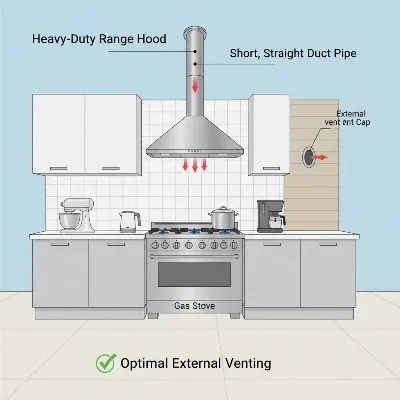 An illustration showing a range hood with a short, straight duct path venting outdoors, emphasizing proper installation.
Keeping Your Range Hood in Top Condition
Regular cleaning and maintenance are essential for ensuring your heavy-duty range hood continues to operate effectively and efficiently.
The most critical maintenance task is the frequent cleaning of your baffle filters. As they are designed to capture grease, these filters can accumulate a significant amount of residue, which can impede airflow and reduce suction power. Most stainless steel baffle filters are conveniently dishwasher-safe; aim to clean them at least once a month, or more frequently if you cook with high grease. Simply remove them and place them in your dishwasher.
Beyond the filters, regularly wipe down the exterior surfaces of your range hood with a non-abrasive cleaner to remove grease and grime. For models with LED lights, occasionally check that they are functioning correctly. If your hood includes a grease collection cup, empty and clean it regularly to prevent overflow. For optimal performance and longevity, always refer to your specific model’s owner’s manual for detailed cleaning instructions and any particular maintenance requirements.
Common Issues and Troubleshooting for Gas Stove Range Hoods
Even with a high-quality range hood, you might occasionally encounter issues. Understanding common problems and basic troubleshooting steps can help you quickly address them.
Low Suction or Weak Airflow: If your range hood isn’t pulling air effectively, the most common culprit is clogged grease filters. Clean them thoroughly. Beyond that, check for obstructions in the ductwork or ensure the fan blades are clean and undamaged. If it’s a newer installation, verify that the duct size matches the hood’s requirements and that there are no excessive bends in the duct path.
Excessive Noise: A very loud range hood can be frustrating. First, check that the filters are clean; clogged filters force the motor to work harder and louder. Ensure all mounting screws are tight, as loose components can vibrate. Inspect the fan blades for any damage or obstructions. If the noise is a persistent, abnormal hum, it might indicate a motor issue, which may require professional service.
Range Hood Not Turning On: Start with the simplest checks: ensure the unit is plugged in and check the circuit breaker for your kitchen. Examine the control panel for any visible damage or loose connections. If your hood has advanced features like motion sensors, ensure they are not inadvertently deactivated. If these basic steps don’t resolve the issue, a faulty switch, wiring, or motor component might be the cause, necessitating professional repair.
Grease Dripping from Hood: This is a clear sign that your baffle filters are heavily saturated with grease and require immediate cleaning. If the filters are clean but grease still drips, check for proper installation angles to ensure grease drains into the collection tray, not back onto the cooktop.
For any complex issues or if basic troubleshooting doesn’t work, always consult your range hood’s user manual or contact a certified appliance technician.
Where to Purchase Your Heavy-Duty Range Hood
When investing in a heavy-duty range hood for your gas stove, choosing a reputable vendor is as important as selecting the right model.
For a comprehensive selection and expert advice, major appliance retailers are an excellent starting point. Stores like The Home Depot, Lowe’s, and dedicated appliance showrooms often carry a wide range of brands and models, allowing you to see products in person and speak with knowledgeable sales associates. Many of these retailers also offer installation services.
Online marketplaces such as Amazon, as well as specialized online appliance stores, provide extensive selections and competitive pricing. When buying online, always verify the seller’s reputation, read customer reviews, and confirm the warranty and return policies. Ensure the product specifications clearly indicate it’s a ducted model suitable for gas stoves, and pay close attention to the CFM rating, noise level, and dimensions. Be wary of significantly discounted “used” or “refurbished” models unless they come from a certified reseller with a clear warranty. Purchasing directly from the manufacturer’s website is another reliable option, often providing the full warranty and access to specialized customer support.
> “Investing in a heavy-duty range hood for your gas stove is an investment in your home’s air quality and your family’s health. Don’t compromise on power, and always prioritize proper installation and maintenance.” – ReviewsAude.com Admin, Range Hood Specialist
Buying Guide: Making the Right Choice
Choosing the best heavy-duty range hood for your gas stove can seem daunting, but by focusing on a few key decision points, you can make an informed choice that perfectly suits your needs.
First, calculate your required CFM based on your gas stove’s total BTU output (100 CFM per 10,000 BTUs) and consider adding extra for intense cooking or island installations. Always prioritize models with high CFM. Second, insist on ducted ventilation; it’s non-negotiable for effectively managing the byproducts of gas cooking. Third, match the hood’s width to your cooktop, opting for a slightly wider model if you have a commercial-style gas range. Fourth, look for stainless steel baffle filters for superior grease capture and easy, dishwasher-safe cleaning. Fifth, balance power with comfort by selecting models that offer lower sone ratings at various fan speeds. Finally, consider smart features like auto-sensing technology or remote controls for added convenience. Before purchasing, ask yourself: Does this hood meet my minimum CFM requirement? Is it designed for external venting? Will it fit my kitchen’s aesthetic and space? Does the brand have a good reputation for durability and customer service? Answering these questions will guide you to a ventilation solution that keeps your kitchen fresh, clean, and safe.
Conclusion
The powerful performance of a gas stove, while a culinary joy, necessitates an equally robust ventilation system. Investing in a heavy-duty range hood is not just about aesthetics; it’s a critical decision for maintaining a healthy and comfortable kitchen environment. By prioritizing essential factors like high CFM, ducted operation, appropriate sizing, durable materials like stainless steel baffle filters, and manageable noise levels, you can effectively clear the air of heat, smoke, grease, and harmful combustion byproducts. The top models and brands available in 2026 offer advanced features and reliable performance, ensuring that your cooking space remains a fresh and inviting heart of your home. With the right choice, you can continue to enjoy the benefits of your gas stove with the assurance that your kitchen’s air quality is well-protected. What kind of culinary adventures will you embark on with your new, powerful range hood?
Frequently Asked Questions
How often should I clean my range hood filters for a gas stove?
For heavy-duty gas stove use, it’s recommended to clean your baffle filters at least once a month, or even more frequently if you often engage in high-grease cooking like frying or searing. Regular cleaning ensures optimal airflow and grease capture.
Can I use a ductless range hood with a gas stove?
While technically possible, a ductless (recirculating) range hood is generally not recommended for gas stoves, especially for heavy-duty cooking. Ducted hoods are superior as they vent harmful combustion gases, excess heat, and moisture directly outdoors, which charcoal filters in ductless models cannot fully achieve.
What is a good CFM for a heavy-duty gas stove?
For heavy-duty gas stoves, especially professional-style ranges or those used for intense cooking, a range hood with at least 700 CFM is typically recommended. For very high-BTU gas cooktops or island installations, 900 CFM or more can be ideal to ensure effective ventilation.
How high should a range hood be mounted above a gas stove?
For safety and efficiency, a range hood should be mounted between 24 to 36 inches above a gas cooktop. Wall-mounted hoods usually sit 24-30 inches high, while island hoods may be installed slightly higher, around 30-36 inches. Always consult your specific hood and stove manufacturer’s guidelines.
Are stainless steel baffle filters better than mesh filters for gas stoves?
Yes, stainless steel baffle filters are generally preferred for gas stoves and heavy-duty cooking. Their design effectively traps grease by forcing air to change direction, leading to better grease separation and collection, and they are typically more durable and easier to clean (often dishwasher-safe) than mesh filters.
Do I need a professional to install a heavy-duty range hood for my gas stove?
While some DIY enthusiasts might tackle the installation, it is highly recommended to have a professional install a heavy-duty range hood for a gas stove. This ensures proper ducting, electrical connections, and adherence to safety codes, which are crucial for optimal performance and safety, especially with external venting.
What features make a range hood “heavy-duty” for gas cooking?
A heavy-duty Range Hood for gas cooking typically includes high CFM (700+), durable construction (e.g., 304 stainless steel), efficient baffle filters, multiple powerful fan speeds, and robust motor engineering to handle intense heat, smoke, and grease from gas burners effectively and reliably over time.