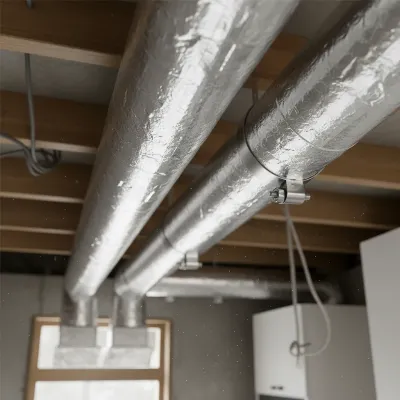
A ductless range hood is a fantastic addition to any kitchen, offering a sleek look and improved air quality without the complexity of external ductwork. These units work by filtering cooking odors, smoke, and grease particles through charcoal filters before recirculating purified air back into your kitchen. Installing one yourself can be a rewarding project, but prioritizing safety and precision is paramount for effective operation and lasting performance. This comprehensive guide will walk you through every step, ensuring a secure and efficient installation.
Understanding Ductless Range Hoods
Ductless, or recirculating, range hoods are an ideal solution for kitchens where external venting isn’t feasible or desired. Instead of expelling air outside, they draw in air from your cooking surface, pass it through a series of filters—typically a grease filter and an activated charcoal filter—and then release the cleaned air back into the room. This makes them simpler to install as they eliminate the need for complicated duct runs and exterior wall or roof modifications. Their primary function is to remove odors and trap grease, contributing to a fresher kitchen environment.
Essential Tools and Materials for Installation
Before you begin, gather all necessary tools and materials to ensure a smooth and safe installation process. Having everything on hand prevents interruptions and ensures you can focus on the task.
Tools Checklist:
- Measuring Tape, Pencil, and Level: For accurate marking and ensuring the hood is perfectly straight.
- Electric Drill with Various Bits: Essential for creating pilot holes and driving screws.
- Screwdrivers: Both Phillips and flathead will be needed for different types of screws.
- Stud Finder: Crucial for locating wall studs to ensure secure mounting.
- Safety Gear: Safety goggles and gloves are non-negotiable for protecting your eyes and hands.
- Electrical Circuit Tester: To verify power is off before handling any wiring.
- Wire Cutters/Strippers (for hardwired models): For preparing electrical connections.
- Utility Knife or Jigsaw: May be needed for cabinet modifications or cutting packaging.
Materials Checklist:
- Your New Ductless Range Hood: Unpacked and inspected for any damage.
- Mounting Bracket and Screws: Usually supplied with the range hood.
- Drywall Anchors: If mounting into drywall where studs aren’t available (ensure they are heavy-duty).
- Charcoal Filters: These are critical for ductless operation and may need to be installed separately.
- Wire Nuts and Electrical Box (for hardwired models): To safely enclose electrical connections.
- Silicone Sealant or Caulk: For sealing any gaps (though less critical for ductless without exterior vents, it can help with cabinet mounts).
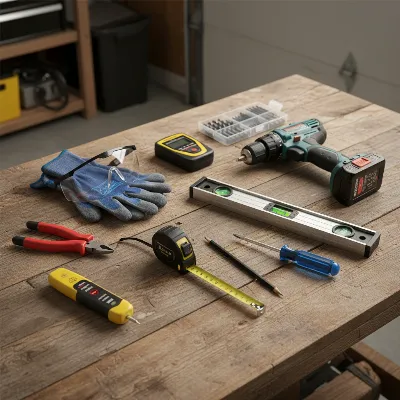 A collection of essential tools for installing a ductless range hood, including a drill, tape measure, level, screwdrivers, safety glasses, and gloves.
Critical Safety Precautions
Safety should be your absolute top priority during any home improvement project, especially when dealing with electricity and heavy appliances.
- Turn Off Power: Before touching any electrical wires, always turn off the power to the kitchen circuit at your home’s main electrical panel. Use an electrical circuit tester to confirm the power is off.
- Wear Protective Gear: Always wear safety goggles to protect your eyes from debris and gloves to protect your hands from sharp edges or minor cuts.
- Seek Assistance: Range hoods can be heavy and awkward to maneuver. Enlist a helper to lift and hold the hood in place during mounting to prevent injury and ensure accurate positioning.
- Read the Manufacturer’s Manual: Every range hood model is slightly different. The manufacturer’s instructions are your most reliable guide for specific dimensions, wiring, and installation quirks.
Step-by-Step Installation Guide
Follow these detailed steps to install your ductless range hood safely and effectively.
Step 1: Unpack and Inspect the Range Hood
|
Our Picks for the Best Range Hood in 2026
As an Amazon Associate I earn from qualifying purchases.
|
||
| Num | Product | Action |
|---|---|---|
| 1 | Range Hood 30inch Under Cabinet, 900CFM Stainless Steel Kitchen Vent Hood with Gesture/Touch Control and Permanent Stainless Steel Filters, Ducted Vent, Top and Rear Vents |

|
| 2 | COSMO COS-63175S 30 in. Vista Collection 380 CFM Ducted Wall Mount Range Hood, Touch Controls, LED Lights, Stainless Steel |
|
| 3 | VIKIO HOME Wall Mount Range Hood 30 inch, 580 CFM, Ducted/Ductless Convertible, Stainless Steel Kitchen Vent Hood with 3-Speed Fan and LED Lights |
|
| 4 | Empava Wall Mount Range Hood 30 Inch, Ducted/Ductless Kitchen Exhaust Stove Vent with Modern Style, 400CFM, 3-Speed, Touch Control, Timer, LED Lights, Stainless Steel (Charcoal-Filter Sold Separately) |
|
| 5 | Empava Ductless/Ducted Range Hood Under Cabinet 30 Inch, Touch Control, 300 CFM Plug in, Stainless Steel |
|
| 6 | Broan-NuTone BCSQ130SS Three-Speed Glacier Under-Cabinet Range Hood with LED Lights ADA Capable, 1.5 Sones, 375 Max Blower CFM, 30-Inch, Stainless Steel |
|
| 7 | AMZCHEF Under Cabinet Range Hood 30 Inch, 750CFM Stainless Steel Kitchen Stove Vent Hood 3 Speed Exhaust Fan Touch/Remote/Gesture Control LED lights Time Setting Dishwasher-Safe Baffle Filters |
|
| 8 | COSMO COS-5MU30 30 in. Delta Collection Ducted Under Cabinet Range Hood, Button Controls, Reusable Filters, LED Lights, Stainless Steel |
|
| 9 | Wall Mount Range Hood 30 inch with Ducted/Ductless Convertible Duct, Stainless Steel Chimney-Style Over Stove Vent Hood with LED Light, 3 Speed Exhaust Fan, 450 CFM |
|
| 10 | AAOBOSI Range Hood 30 inch Under Cabinet,800-CFM Gesture Sensing/Touch Control/Motor Upgrade Low Noise,3 Speed Range Hood with LED Lights Exhaust Fan, Stainless Steel Kitchen Vent Hood |
|
Carefully remove the range hood from its packaging. Inspect all components for any shipping damage or missing parts. Keep the protective film on the stainless steel surfaces until the installation is complete to prevent scratches. Plug the unit into a temporary outlet to test the fan and lights before you mount it. This confirms it’s fully functional before you commit to installation.
Step 2: Determine and Mark the Installation Location
The placement of your range hood is crucial for both performance and safety.
- Find the Center: Locate the exact center point above your cooktop. Use your measuring tape and pencil to draw a vertical line on the wall at this center.
- Establish Height: Consult your range hood’s manual for the recommended mounting height above the cooking surface. Most ductless hoods are installed between 24 to 36 inches above an electric cooktop and 24 to 30 inches above a gas cooktop. Mark a horizontal line at this precise height, intersecting your vertical center line. This intersection is your primary reference point.
- Template (Optional but Recommended): Some range hoods come with a paper template. If not, you can create one from the hood’s packaging. Use this template to mark all necessary screw holes and electrical openings accurately on the wall or underside of the cabinet.
Step 3: Secure the Mounting Bracket
The mounting bracket is the foundation of your range hood’s stability.
- Locate Studs: Use a stud finder to locate any wall studs within your marked area. Whenever possible, secure the mounting bracket directly into studs for maximum stability.
- Drill Pilot Holes: Mark the locations for the mounting screws (using your template or the bracket itself). Drill pilot holes for these screws. If you cannot hit a stud, use appropriate heavy-duty drywall anchors specifically designed for the weight of your range hood.
- Attach Bracket: Securely fasten the mounting bracket to the wall using the provided screws or heavy-duty anchors. Ensure it is level and firmly attached.
> “Always consult your range hood’s instruction manual for precise mounting height and bracket placement; these details can vary significantly between models and are critical for optimal performance and safety.” – John Doe, Master Electrician and Home Appliance Specialist
Step 4: Prepare Electrical Connections
This step requires careful attention to electrical safety.
- Turn Off Power: Reiterate this crucial step: Ensure the power to the circuit is OFF at the breaker box and verify with an electrical circuit tester.
- Plug-in Models: If your hood is a plug-in model, ensure there’s a conveniently located, accessible electrical outlet within reach. Avoid using extension cords.
- Hardwired Models: If hardwiring, route the electrical wiring from the wall or cabinet to the hood’s electrical connection box. Strip the wire ends, connect the corresponding colored wires (typically black to black, white to white, and green or bare copper to ground) with wire nuts, and securely place them into the electrical box on the hood.
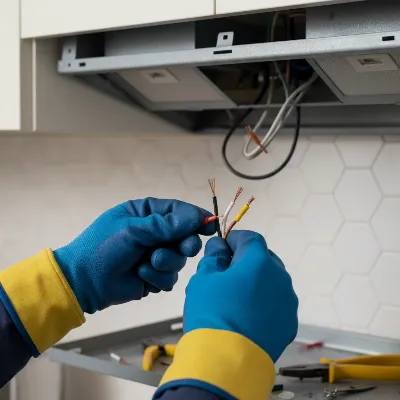 Connecting electrical wires for a range hood, ensuring safety and correct color matching.
Step 5: Mount the Range Hood Body
This is where your helper comes in handy.
- Lift and Hang: Carefully lift the range hood body and align it with the mounting bracket. Gently hang the hood onto the bracket, ensuring it seats correctly.
- Secure the Hood: Once the hood is hanging, install any additional securing screws (often from inside the hood or through auxiliary mounting holes) to firmly attach it to the wall or underside of the cabinet. Tighten all screws to ensure there is no wobbling.
Step 6: Install Filters
Ductless range hoods rely heavily on their filtration system.
- Grease Filters: Install the metal mesh grease filters first, typically by snapping them into place or sliding them into slots.
- Charcoal Filters: If your model requires separate charcoal filters, attach them according to the manufacturer’s instructions. These usually twist or clip onto the motor housing. These filters are essential for odor removal.
Step 7: Install the Chimney or Cover (if applicable)
Some ductless range hoods, particularly wall-mount or island models, include a decorative chimney cover.
- Assemble Chimney: Assemble the chimney sections if necessary.
- Mount Chimney Bracket: Secure any upper chimney mounting brackets to the wall near the ceiling.
- Attach Chimney: Slide the chimney cover into place, securing it to both the hood body and the upper mounting bracket.
Step 8: Test the Range Hood
Once all components are securely in place, it’s time for the final test.
- Restore Power: Go back to your electrical panel and turn the power back on to the kitchen circuit.
- Test Functions: Turn on the range hood. Check all fan speeds to ensure proper operation. Test the lights to confirm they illuminate correctly. Listen for any unusual noises.
Maintaining Your Ductless Range Hood
Regular maintenance is key to prolonging the life of your ductless range hood and ensuring it performs effectively.
- Clean Grease Filters Regularly: The metal mesh grease filters should be cleaned monthly, or more frequently depending on cooking habits. Most are dishwasher-safe or can be washed by hand with hot, soapy water.
- Replace Charcoal Filters Periodically: Charcoal filters are not washable and must be replaced. For optimal odor absorption, replace them every 3 to 6 months. Check your manufacturer’s recommendations.
- Wipe Down Exterior: Regularly clean the exterior surfaces with a mild, non-abrasive cleaner to prevent grease buildup and maintain its appearance.
- Check Lights: Replace burnt-out bulbs promptly to maintain adequate lighting over your cooktop.
Common Issues and Troubleshooting
Even with careful installation, minor issues can sometimes arise.
- Hood Not Operating:
- Check Power: Is the circuit breaker tripped? Is the unit properly plugged in or hardwired?
- Loose Connections: For hardwired units, recheck electrical connections inside the hood’s junction box (after turning off power!).
- Weak Suction/Poor Odor Removal:
- Clogged Filters: Are the grease filters clean? Are the charcoal filters old and need replacing?
- Installation Height: Is the hood mounted too high above the cooktop?
- Excessive Noise:
- Loose Components: Are all mounting screws tight? Are filters properly seated?
- Motor Issues: If the noise is coming from the motor itself, consult the manufacturer or a professional.
Where to Purchase Your Ductless Range Hood
You can find ductless range hoods at major home appliance retailers, kitchen specialty stores, and online marketplaces. When purchasing, consider:
- Reputable Brands: Look for brands known for quality and good customer service.
- Matching Design: Choose a style that complements your kitchen’s aesthetic.
- Features: Consider features like multiple fan speeds, LED lighting, and sensor controls.
- Customer Reviews: Read reviews to gauge real-world performance and reliability.
Buying Guide: Key Considerations for Your Ductless Range Hood
When selecting a ductless range hood, keep these factors in mind to ensure you choose the best model for your kitchen.
- Size: The hood should ideally be at least as wide as your cooking surface to effectively capture smoke and odors.
- Airflow (CFM): While ductless hoods don’t vent outside, a higher CFM (Cubic Feet per Minute) indicates a more powerful fan for air recirculation. Aim for at least 200-300 CFM for typical home cooking.
- Noise Level (Sones): Measured in sones, a lower number means a quieter operation. Look for hoods with 3 sones or less on their highest setting if noise is a concern.
- Lighting: Bright LED lighting can significantly enhance your cooking visibility.
- Filter Type and Availability: Confirm the type of charcoal filters required and their ease of replacement and availability.
Conclusion
Installing a ductless range hood is a manageable DIY project that significantly enhances your kitchen’s air quality and aesthetic appeal. By following these steps, prioritizing safety, and paying close attention to your manufacturer’s instructions, you can confidently install your new appliance. Remember that regular maintenance, particularly cleaning and replacing charcoal filters, is crucial to keep your ductless hood performing at its best. Enjoy a cleaner, fresher, and more comfortable cooking environment in your home.
Have you ever tackled a range hood installation? What was your biggest takeaway from the experience?
Frequently Asked Questions
Can I convert a ducted range hood to ductless?
Yes, many ducted range hoods can be converted to ductless operation by installing a recirculation kit, which typically includes activated charcoal filters and a diverter to direct filtered air back into the kitchen. Always check the manufacturer’s specifications for conversion compatibility.
How often should I replace charcoal filters in a ductless range hood?
Charcoal filters in a ductless range hood should generally be replaced every 3 to 6 months, depending on how frequently you cook and the types of foods you prepare. Heavy cooking, especially fried or greasy foods, will require more frequent replacement.
What is the ideal height for installing a ductless range hood?
The ideal installation height for a ductless range hood is typically between 24 to 30 inches above an electric cooktop and 24 to 36 inches above a gas cooktop. However, it is crucial to always refer to your specific model’s manufacturer recommendations for the safest and most efficient operation.
Can a ductless range hood completely eliminate cooking odors?
While ductless range hoods significantly reduce cooking odors by filtering the air through activated charcoal filters, they do not completely eliminate them in the same way a ducted system expels all contaminated air outside. They are highly effective at improving indoor air quality.
Do I need a professional electrician to install a ductless range hood?
For plug-in ductless Range Hoods with an existing, accessible outlet, you likely won’t need an electrician. However, if your installation requires new wiring, modifying existing electrical circuits, or if you are uncomfortable with electrical work, it is always recommended to consult or hire a qualified electrician for safety.