Stepping into a modern kitchen, you immediately notice the absence of lingering cooking odors, excessive heat, and greasy residues. This isn’t magic; it’s the result of effective kitchen ventilation, a crucial element often overlooked until the air grows thick with smoke or pungent aromas. As kitchen technology advances into 2026, the fundamental choice between ducted and ductless range hoods remains a pivotal decision for any homeowner, profoundly impacting air quality, installation, and long-term maintenance. This comprehensive guide will dissect the intricacies of both systems, helping you determine which solution best suits your culinary habits and kitchen environment.
Understanding Ventilation: Ducted vs. Ductless Systems
Range hoods are essential kitchen appliances designed to remove smoke, steam, grease, and cooking odors from your stovetop area, ensuring a cleaner, more comfortable cooking experience. The primary distinction lies in how they handle the air: either by expelling it outside (ducted) or by filtering and recirculating it back into the kitchen (ductless). Both serve the purpose of improving air quality, but their methods and efficacy differ significantly.
Ducted (Vented) Range Hoods
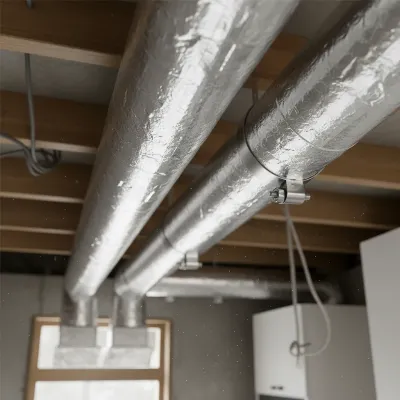
Ducted range hoods, also known as vented or exhaust hoods, operate by drawing cooking fumes, smoke, odors, and grease-laden air from your cooktop and sending it through a system of ductwork to the outdoors. This process effectively removes contaminants entirely from your home, providing superior air purification. A ducted system typically consists of a powerful fan, grease filters (like mesh or baffle types), and a direct venting path that usually leads through an exterior wall or the roof.
Advantages of Ducted Range Hoods:
- Superior Air Quality: By expelling polluted air outside, ducted hoods significantly reduce lingering odors, grease buildup, and humidity, ensuring cleaner indoor air quality. This is particularly beneficial for open-plan kitchens or those prioritizing optimal air purification.
- Strong Performance for Heavy Cooking: For households that frequently engage in frying, sautéing, wok-style cooking, or use high-BTU gas ranges, ducted systems offer the powerful airflow necessary to handle significant smoke and grease.
- Moisture Control: Ducted hoods excel at removing steam and humidity generated during cooking, which helps prevent condensation, reduce the risk of mold growth, and maintain a comfortable kitchen climate.
- Quieter Operation: Often, the motors in ducted systems can be located within the ductwork or even outside the home, which can lead to a quieter cooking experience in the kitchen itself, especially compared to some ductless models where the blower is contained within the unit.
- Fewer Consumables: Since air is removed rather than purely filtered and recirculated, there’s less reliance on frequently replacing charcoal filters, leading to potentially lower long-term consumable costs.
Disadvantages of Ducted Range Hoods:
- Complex and Costly Installation: Installing a ducted range hood often requires routing ductwork through walls, ceilings, or floors to an exterior vent. This can be a time-consuming and expensive process, especially for retrofits or kitchens without existing duct access.
- Limited Placement Flexibility: Ducted hoods demand direct access to an exterior wall or roof for their ductwork, which restricts where they can be installed within your kitchen layout.
- Potential for Heat Loss: In colder climates, venting warm air outside during winter can increase your heating system’s workload, potentially impacting energy efficiency.
- Makeup Air Requirements: Powerful ducted systems, especially those with high CFM ratings, may require a “makeup air” system to introduce fresh outdoor air back into the home, preventing negative air pressure issues.
|
Our Picks for the Best Range Hood in 2026
As an Amazon Associate I earn from qualifying purchases.
|
||
| Num | Product | Action |
|---|---|---|
| 1 | Empava Wall Mount Range Hood 30 Inch, Ducted/Ductless Kitchen Exhaust Stove Vent with Modern Style, 400CFM, 3-Speed, Touch Control, Timer, LED Lights, Stainless Steel (Charcoal-Filter Sold Separately) |

|
| 2 | Wall Mount Range Hood 30 inch with Ducted/Ductless Convertible Duct, Stainless Steel Chimney-Style Over Stove Vent Hood with LED Light, 3 Speed Exhaust Fan, 450 CFM |
|
| 3 | VIKIO HOME Wall Mount Range Hood 30 inch, 580 CFM, Ducted/Ductless Convertible, Stainless Steel Kitchen Vent Hood with 3-Speed Fan and LED Lights |
|
| 4 | COSMO COS-5MU30 30 in. Delta Collection Ducted Under Cabinet Range Hood, Button Controls, Reusable Filters, LED Lights, Stainless Steel |
|
| 5 | AMZCHEF Under Cabinet Range Hood 30 Inch, 750CFM Stainless Steel Kitchen Stove Vent Hood 3 Speed Exhaust Fan Touch/Remote/Gesture Control LED lights Time Setting Dishwasher-Safe Baffle Filters |
|
| 6 | COSMO COS-63175S 30 in. Vista Collection 380 CFM Ducted Wall Mount Range Hood, Touch Controls, LED Lights, Stainless Steel |
|
| 7 | AAOBOSI Range Hood 30 inch Under Cabinet,800-CFM Gesture Sensing/Touch Control/Motor Upgrade Low Noise,3 Speed Range Hood with LED Lights Exhaust Fan, Stainless Steel Kitchen Vent Hood |
|
| 8 | Broan-NuTone BCSQ130SS Three-Speed Glacier Under-Cabinet Range Hood with LED Lights ADA Capable, 1.5 Sones, 375 Max Blower CFM, 30-Inch, Stainless Steel |
|
| 9 | Empava Ductless/Ducted Range Hood Under Cabinet 30 Inch, Touch Control, 300 CFM Plug in, Stainless Steel |
|
| 10 | Range Hood 30inch Under Cabinet, 900CFM Stainless Steel Kitchen Vent Hood with Gesture/Touch Control and Permanent Stainless Steel Filters, Ducted Vent, Top and Rear Vents |
|
Ductless (Recirculating) Range Hoods
Ductless range hoods, also known as recirculating or non-vented hoods, work by filtering the air and then releasing it back into the kitchen. These systems do not require external ductwork, making them a popular choice for apartments, kitchens without exterior wall access, or where installation flexibility is paramount. The air is drawn through an intake vent, passes through a grease filter, and then through a charcoal (or carbon) filter to absorb odors before being recirculated.
Advantages of Ductless Range Hoods:
- Easier and More Affordable Installation: Without the need for external ductwork, ductless range hoods are significantly simpler and less expensive to install. This makes them ideal for DIY projects, renters, or those with tight budgets.
- Flexible Placement: Ductless systems offer considerable versatility in placement, as they don’t depend on proximity to an exterior wall or ceiling, allowing for more design freedom.
- Lower Upfront Cost: Generally, the initial purchase price and installation costs for ductless hoods are lower due to the absence of ductwork and associated labor.
- Suitable for Light Cooking: For individuals who cook occasionally or prepare meals that produce less smoke and strong odors, a high-quality ductless model can offer sufficient filtration.
Disadvantages of Ductless Range Hoods:
- Less Effective Ventilation: While they filter grease and some odors, ductless hoods are generally less effective than ducted systems at removing smoke, strong cooking odors, heat, and moisture, as the air is recirculated, not expelled. This can lead to lingering smells and a gradual buildup of grease on surfaces over time.
- Ongoing Filter Maintenance: Ductless hoods require regular cleaning of grease filters and periodic replacement of charcoal filters to maintain their efficiency. Neglecting this maintenance can severely impair their performance.
- Higher Noise Levels: Often, the blowers in ductless units are housed directly within the hood, making their operation potentially noisier than ducted systems where the motor might be located remotely.
- No Moisture or Heat Removal: Ductless systems do not remove humidity or heat from the kitchen, which can make the cooking area feel warmer and more humid, especially during heavy cooking.
- Lower Overall Air Quality: Since they recirculate air, they cannot completely remove all contaminants, potentially resulting in a lower overall air quality compared to ducted systems.
> “Choosing between ducted and ductless hinges entirely on your kitchen’s unique characteristics and your personal cooking intensity. There’s no single ‘better’ option, only the right option for your specific needs.” – Admin, ReviewsAude.com
Guide to Selecting the Right Range Hood
Making an informed decision between a ducted and ductless range hood requires careful consideration of several key factors that influence performance, installation, and long-term satisfaction.
Airflow (CFM) and Noise Level (Sones)
The performance of a range hood is primarily measured by its airflow capacity, expressed in Cubic Feet per Minute (CFM), and its noise level, measured in Sones.
- CFM (Cubic Feet per Minute): This indicates the volume of air the hood can move per minute. For light cooking, 300-400 CFM might suffice, but for heavy cooking, especially with gas ranges, 600 CFM or more is often recommended. Ducted hoods typically offer higher CFM ratings and more efficient removal.
- Sones: This unit measures the perceived loudness of the range hood’s fan. One Sone is roughly equivalent to the sound of a quiet refrigerator. A lower Sone rating means a quieter operation. Some modern ducted hoods with remote blowers can achieve very low Sone ratings, even at high CFMs.
Consider your cooking habits; a powerful hood is essential for those who frequently cook pungent or greasy foods. However, the higher the CFM, the greater the potential for noise, so finding a balance is key.
Kitchen Layout and Ductwork Access
Your kitchen’s physical characteristics heavily dictate the feasibility of a ducted system.
- Exterior Wall/Roof Access: Ducted hoods require a clear path for ductwork to the outside. If your kitchen is located on an interior wall without easy access to the exterior, installing ductwork can be complex and expensive, making ductless a more practical choice.
- Apartments/Rentals: Many apartments or rental properties have restrictions against installing external ductwork, making ductless hoods the only viable option.
- Open-Concept Kitchens: In open-concept layouts, effective ventilation is even more crucial to prevent cooking smells from permeating the entire living space. Ducted hoods are generally preferred here due to their superior contaminant removal.
Cooking Habits and Lifestyle
Your cooking style is a major determinant in selecting the right range hood.
- Heavy Cooking: If you frequently fry, sear, stir-fry, or use strong spices, a ducted range hood is invaluable for efficiently removing smoke, grease, and intense odors.
- Light/Occasional Cooking: For those who cook less frequently or prepare lighter meals that produce minimal smoke and grease, a high-quality ductless hood with effective filters might be adequate.
- Allergy Sufferers/Air Quality Priority: If indoor air quality is a top concern, especially for individuals with allergies or respiratory sensitivities, the complete expulsion of pollutants offered by a ducted system is highly advantageous.
Budget and Installation Costs
The financial aspect involves more than just the hood’s purchase price.
- Initial Purchase Price: Ductless hoods often have a lower initial unit cost.
- Installation Costs: Ducted installations can be significantly more expensive due to labor and materials for ductwork, especially if no existing ducts are present.
- Long-Term Maintenance: Ductless hoods incur ongoing costs for filter replacements (charcoal filters typically every 6-12 months). Ducted hoods have fewer consumables but may require occasional duct cleaning.
Aesthetic Preferences
Modern range hoods come in a wide array of styles, from sleek minimalist designs to bold statement pieces. Both ducted and ductless options are available in various configurations like under-cabinet, wall-mount, island, and insert styles. Consider how the hood will integrate with your kitchen’s overall design, ensuring it complements your cabinetry and appliances.
Comparison Table: Ducted vs. Ductless Range Hoods (2026 Considerations)
| Feature | Ducted Range Hoods (Vented) | Ductless Range Hoods (Recirculating) | 2026 Trends & Considerations Ducted vs Ductless Range Hoods: Which is Better for Your Kitchen? CleaDeep blog post on ducted vs ductless range hoods:
- Ducted hoods expel air outside; ductless recirculate filtered air.
- Ducted hoods have high performance for smoke/odor removal; ductless are moderate.
- Ducted hoods require ductwork; ductless need no external vent.
- Ducted hood maintenance is occasional duct cleaning; ductless need regular filter replacement.
- Ducted hoods are best for frequent/heavy cooking; ductless for apartments/simple use.
- Ducted hoods are ideal for humid kitchens and superior air quality.
- Ductless hoods offer flexibility in placement.
- Some hoods are convertible (can be used as ducted or ductless).
- Filter cleaning in ductless hoods every 1-3 months; charcoal filter replacement every 6-12 months. | In 2026, both types benefit from smart features: AI-powered air quality sensors, voice/gesture controls, and adaptive fan speeds (DC Inverter 2.0 for ducted) are emerging trends. Modular and DIY-friendly installation is also gaining traction for greater flexibility.
Performance | Superior: Expels smoke, grease, odors, heat, moisture completely outside. Higher CFM available. | Moderate: Filters grease and odors, recirculates air. No heat/moisture removal. Limited by filter effectiveness. | Advanced filtration for ductless (multi-layer, improved charcoal) aims to close the gap, but ducted remains superior for heavy loads.
Installation | Complex, costly, requires ductwork to exterior. Limited by kitchen layout. | Easier, more affordable, no ductwork needed. High flexibility in placement. | Modular components and plug-and-play designs are simplifying installation for both, especially for DIY and remodel scenarios.
Maintenance | Less frequent: Occasional duct cleaning, grease filter cleaning. | Frequent: Regular cleaning of grease filters, periodic replacement of charcoal filters (every 6-12 months). | Smart hoods now offer digital dashboards showing filter health and replacement reminders, streamlining maintenance.
Noise Level | Can be quieter if motor is remote/external, but higher speeds can be noisy. | Often noisier due to internal blowers, but advancements in noise reduction technology are improving this. | Noise reduction technology is a key focus, with better sound insulation and fan designs.
Cost | Higher initial cost (due to installation and materials for ductwork), potentially lower long-term consumables. | Lower initial cost, but ongoing costs for filter replacements. | While initial costs for ducted may be higher, long-term operational costs for ductless (filters) can add up.
Ideal For | Heavy, frequent cooking; open-concept kitchens; those prioritizing superior air quality and moisture control. | Light, occasional cooking; apartments/rentals; kitchens without exterior venting access; budget-conscious. | Convertible models offer the best of both worlds, adapting to changing needs or layouts.
Maintaining Your Range Hood: Tips for Longevity
Proper maintenance is crucial for both ducted and ductless range hoods to ensure optimal performance, extend their lifespan, and maintain a healthy kitchen environment.
Ducted Range Hood Maintenance
Ducted hoods generally require less frequent maintenance but still need attention:
- Grease Filters: These should be cleaned regularly, typically every 1-3 months, depending on cooking frequency. Most mesh or baffle filters are dishwasher-safe or can be cleaned with hot, soapy water.
- Ductwork Inspection: Periodically, inspect the ductwork for any blockages, leaks, or excessive grease buildup. This might require professional inspection and cleaning every few years to ensure unobstructed airflow.
- Exterior Vent Cap: Check the exterior vent cap for any debris, bird nests, or animal intrusions that could impede exhaust airflow.
Ductless Range Hood Maintenance
Ductless hoods rely heavily on their filters for effectiveness, so regular care is essential:
- Grease Filters: Similar to ducted hoods, clean grease filters every 1-3 months.
- Charcoal (Carbon) Filters: These filters, responsible for absorbing odors, need to be replaced periodically. The frequency depends on your cooking habits, but typically every 6-12 months is recommended. Failure to replace them will result in ineffective odor removal.
- Interior Cleaning: Wipe down the interior surfaces of the hood periodically to prevent grease accumulation.
General Cleaning Tip: Always unplug your range hood before performing any cleaning or maintenance tasks to ensure safety. Use non-abrasive cleaners to protect the finish of your appliance.
Smart Usage for Optimal Performance
Beyond choosing the right type, how you use your range hood significantly impacts its efficiency and the cleanliness of your kitchen.
- Activate Before Cooking: Turn on your range hood a few minutes before you start cooking. This creates a powerful airflow that captures rising smoke and odors more effectively from the moment you place food on the heat.
- Match Fan Speed to Cooking: Adjust the fan speed according to what you’re cooking. Low speeds are sufficient for simmering, while high speeds are necessary for frying, searing, or cooking strong-smelling foods.
- Use Back Burners: When possible, cook on the back burners, as they are often more directly under the hood’s capture area, improving ventilation efficiency.
- Ensure Adequate Makeup Air: For powerful ducted systems, ensure your kitchen has a source of makeup air (e.g., slightly opening a window) to prevent a vacuum effect and allow the hood to operate at its full potential.
Common Issues and Troubleshooting
Even with proper selection and maintenance, range hoods can encounter issues. Here are some common problems and potential solutions:
- Range Hood Not Turning On: Check the power supply, ensure it’s plugged in, and inspect circuit breakers. Also, check if any internal fuses within the hood need replacement.
- Weak Suction: For ducted hoods, check for blockages in the ductwork or a dirty grease filter. For ductless models, a clogged grease filter or an expired charcoal filter is often the culprit. Ensure the duct size matches the hood’s requirements.
- Excessive Noise: This can be caused by loose components, an improperly installed fan, or obstructions in the fan blades. For ducted hoods, check for loose duct connections or an undersized duct. For ductless, old or dirty filters can also increase noise.
- Lingering Odors: If using a ductless hood, this is often a sign that the charcoal filters need immediate replacement. For ducted hoods, check for leaks in the ductwork or an insufficient CFM rating for your cooking habits.
- Grease Dripping: This usually indicates that the grease filters are heavily saturated and need cleaning. Ensure they are correctly installed after cleaning.
For complex issues, consulting a qualified technician is always recommended.
Where to Purchase Your Range Hood (2026)
In 2026, purchasing a range hood offers a mix of traditional and modern options.
- Appliance Stores: Brick-and-mortar appliance stores provide an opportunity to see models in person, compare features, and receive expert advice from sales staff. They often have installation services.
- Online Retailers: Websites like Amazon, Wayfair, and manufacturer-specific sites offer a vast selection, competitive pricing, and user reviews. Be sure to check return policies and warranty information carefully.
- Home Improvement Centers: Stores such as Lowe’s and Home Depot carry a range of options suitable for various budgets and often provide installation resources.
- Specialty Ventilation Retailers: For high-end or unique ventilation solutions, specialty stores or kitchen design centers can offer tailored advice and premium products.
When buying, always verify product specifications, warranty details, and ensure the retailer has a good reputation for customer service. For “convertible” models, confirm that all necessary parts for both ducted and ductless setups are included or easily available.
Reference Pricing for Range Hoods (2026)
Range hood prices vary significantly based on type, brand, features, and materials.
- Basic Ductless (Under-cabinet): Generally, $100 – $300. These are typically simpler models with lower CFM.
- Mid-Range Ductless/Ducted (Wall-mount, Under-cabinet): Expect to pay $300 – $800. This range offers improved CFM, better filtration, and more aesthetic options.
- High-End Ducted (Island, Wall-mount, Professional-grade): Prices can range from $800 to several thousand dollars ($1500 – $3000+). These units boast powerful CFM, advanced features (like smart controls, gesture activation), premium materials, and quiet operation. Installation costs for ducted units are separate and can add $300 – $1000 or more, depending on complexity.
These figures are estimates for 2026 and can fluctuate with market conditions and brand prestige. Always factor in installation costs, especially for ducted systems, and the ongoing cost of filter replacements for ductless models.
The Ultimate Range Hood Buying Guide: Making Your Choice
Choosing between a ducted and ductless range hood is a critical decision that influences your kitchen’s air quality, comfort, and functionality. Start by honestly assessing your cooking habits: Are you a daily gourmet chef or an occasional cook? Next, evaluate your kitchen’s layout and the feasibility of installing ductwork; this often narrows down your options considerably. Finally, consider your budget, including both the upfront purchase and installation costs, as well as long-term maintenance expenses like filter replacements.
The best range hood is not universally defined; it’s the one that perfectly aligns with your lifestyle, kitchen design, and ventilation requirements. Do you prioritize maximum air purification and moisture removal, or is ease of installation and budget flexibility your main concern? Answering these questions will guide you toward the optimal ventilation solution for your home.
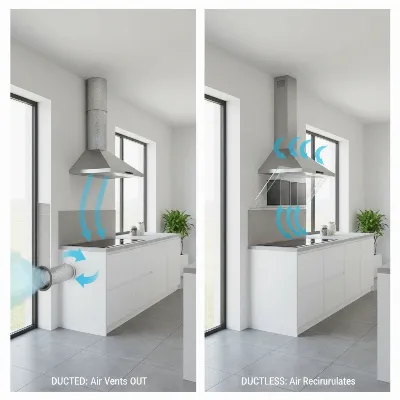 A side-by-side comparison of a ducted and a ductless range hood in a modern kitchen setup, highlighting their different air pathways and filter systems.
Frequently Asked Questions
Which type of range hood is better for an open-concept kitchen?
For open-concept kitchens, a ducted range hood is generally superior. Its ability to expel smoke, odors, and grease entirely outside prevents cooking smells from spreading throughout the entire living area, maintaining better overall air quality.
Can a ductless range hood be converted to a ducted one later?
Some range hoods are designed as “convertible” models, meaning they can function as either ducted or ductless, depending on your installation needs. Always check the product specifications for this feature before purchasing, as not all models offer this flexibility.
How often do charcoal filters need to be replaced in a ductless range hood?
The replacement frequency for charcoal filters in a ductless range hood largely depends on how often you cook. As a general guideline, they should be replaced every 6 to 12 months to ensure effective odor absorption. Frequent heavy cooking may necessitate more frequent changes.
Do ducted range hoods require makeup air systems?
Powerful ducted Range Hoods, particularly those with high CFM ratings (often 400 CFM or higher, depending on local building codes), may require a makeup air system. This system introduces fresh outdoor air to balance the air pressure, ensuring the hood operates efficiently and preventing issues like backdrafts or unusual drafts.